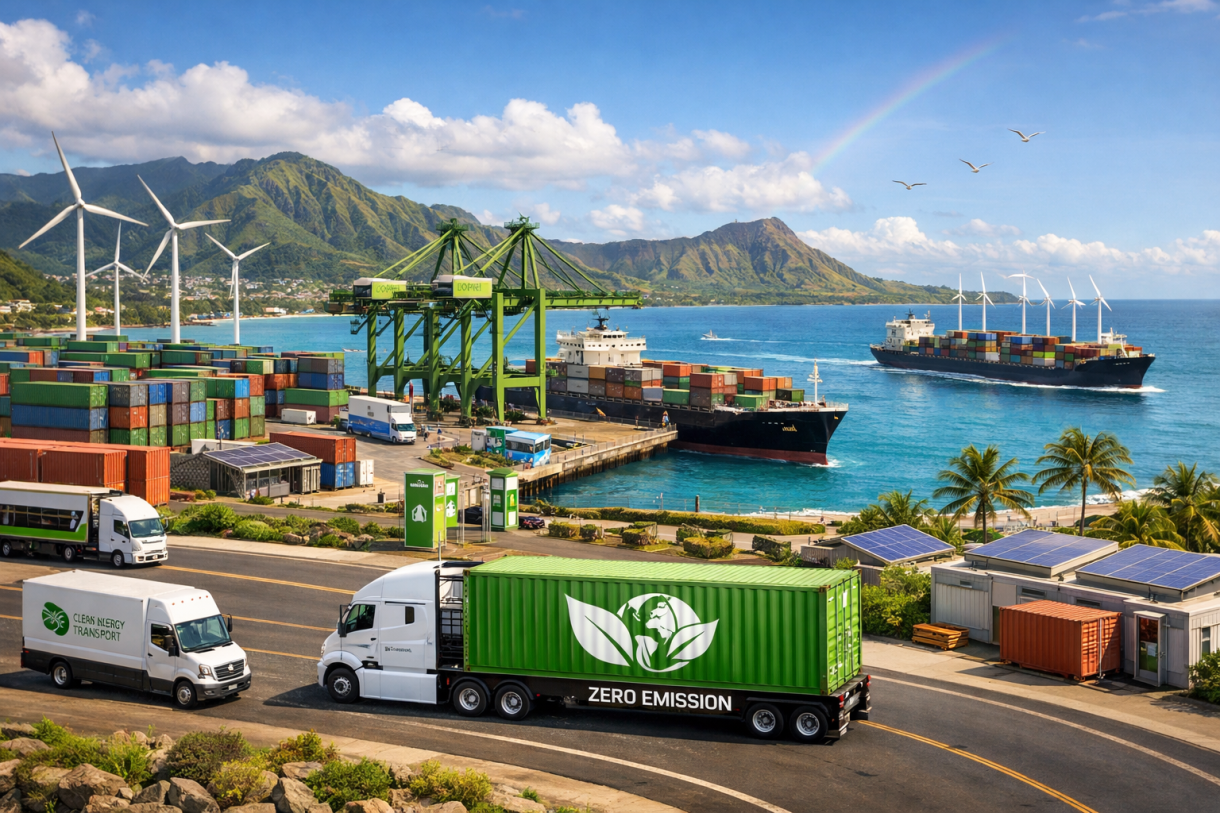
Carbon Offset Logistics: How to Offset Your Company’s Shipping Footprint in Hawaii
Why Shipping Emissions Matter More Than Ever
Shipping is the backbone of business in Hawaii. Nearly every product, from building materials to retail goods and food supplies, relies on freight moving through ports and across islands. While this keeps the economy running, it also creates a significant environmental footprint that many businesses are only now beginning to fully understand.
For Hawaii-based companies, logistics and climate change are closely linked. Ocean freight, local trucking, port operations, and last-mile delivery all generate greenhouse gas emissions. Because island operations depend so heavily on transportation, those emissions accumulate quickly. Ignoring them is no longer an option for companies that want to remain competitive, compliant, and credible.
This is where carbon offset logistics becomes a practical and strategic solution. Rather than disrupting operations or attempting unrealistic zero-emission goals overnight, carbon offset logistics allows businesses to measure, reduce, and responsibly balance their shipping emissions.
In this guide, you will learn what carbon offset logistics really means, how it applies to Hawaii’s unique logistics environment, and how your business can take meaningful steps toward sustainable freight without sacrificing reliability or efficiency.
What Is Carbon Offset Logistics
Carbon offset logistics is a structured approach to managing the environmental impact of freight and transportation. It combines three core actions:
- Measuring greenhouse gas emissions generated by logistics operations
- Reducing emissions wherever operationally possible
- Offsetting remaining emissions through verified environmental projects
The goal is not to eliminate shipping, which is unrealistic for most businesses, especially in Hawaii. The goal is accountability. Companies acknowledge their logistics-related emissions and take responsibility for minimizing and balancing them.
Logistics emissions typically come from:
- Ocean freight and container shipping
- Local trucking and last-mile delivery
- Port equipment and material handling
- Fuel consumption across daily routes
Carbon offset logistics supports broader initiatives like sustainable freight transportation, green freight programs, and carbon accounting in logistics. It also aligns with recognized frameworks such as the GLEC framework, which provides standardized guidance for calculating logistics emissions.
Why Carbon Offset Logistics Is Especially Important in Hawaii
Hawaii’s geography creates logistics challenges that mainland businesses do not face. There are limited land routes, heavy dependence on ports, and fewer transportation alternatives. This makes logistics emissions more concentrated and harder to avoid.
At the same time, Hawaii businesses operate in an environment where sustainability expectations are rising. Customers, partners, and regulators increasingly expect transparency around environmental impact.
Carbon offset logistics helps Hawaii companies:
- Reduce their contribution to climate change without disrupting supply chains
- Demonstrate environmental responsibility to customers and partners
- Prepare for future regulations and reporting requirements
- Strengthen ESG and sustainability initiatives
For island-based businesses, sustainability is not just a global issue. It is local, visible, and increasingly tied to long-term viability.
Step One: Measuring Logistics Emissions Accurately
Before emissions can be reduced or offset, they must be measured. This is where many businesses struggle, but it does not need to be complicated.
Establishing a Shipping Emissions Baseline
Start by identifying where emissions are generated across your logistics operations. This often includes:
- Number of containers shipped
- Frequency of local deliveries
- Average route distances
- Fuel usage by vehicle type
Using logistics emission tools or working with a knowledgeable logistics provider can help estimate emissions accurately. Standardized approaches like the GLEC framework ensure consistency and credibility in reporting.
This baseline becomes your reference point. It allows you to track progress, evaluate changes, and report improvements over time.
Why Measurement Matters
Without accurate measurement, sustainability efforts become guesswork. Measuring emissions enables:
- Smarter decision-making
- Identification of high-impact reduction opportunities
- Clear logistics emission reporting for stakeholders
Measurement transforms sustainability from a vague goal into an actionable strategy.
Step Two: Reducing Emissions Through Smarter Logistics
Reduction is always the most effective part of carbon offset logistics. Before investing in offsets, businesses should focus on lowering emissions at the source.
Route Optimization and Delivery Planning
One of the simplest ways to reduce emissions is improving routing efficiency. Fewer miles driven means less fuel consumed and lower emissions.
Strategies include:
- Consolidating deliveries
- Avoiding unnecessary repeat trips
- Scheduling routes to minimize congestion
Local expertise is critical here. Providers familiar with Hawaii’s traffic patterns and port schedules can significantly improve efficiency.
Freight Consolidation and Load Optimization
Partially filled trucks and containers increase emissions per unit shipped. Consolidating freight ensures that each trip carries more cargo, maximizing fuel efficiency.
Services such as break bulk distribution and short-term storage help businesses stage and consolidate shipments more effectively.
Fuel-Efficient and Well-Maintained Fleets
Vehicle condition directly affects fuel consumption. Modern, well-maintained fleets burn fuel more efficiently and produce fewer emissions.
Choosing logistics partners that invest in fleet maintenance and fuel efficiency makes an immediate impact without requiring changes to your business operations.
Choosing the Right Equipment for the Job
Using the appropriate vehicle for each delivery reduces unnecessary fuel use. Options such as flatbed trucks, dry refrigerated box trucks, and lift gate delivery allow cargo to move efficiently without oversizing or underutilizing equipment.
Step Three: Offsetting Remaining Emissions
After reduction efforts, some emissions will remain. This is where carbon offsets play a role.
How Shipping Carbon Offsets Work
Carbon offsets balance emissions by funding verified projects that reduce or remove greenhouse gases elsewhere. Common offset projects include:
- Renewable energy development
- Reforestation and land conservation
- Methane capture and waste reduction
- Energy efficiency improvements
Offsets do not erase emissions. They compensate for them. The most credible carbon offset logistics strategies combine reduction with transparent offsetting.
Best Practices for Carbon Offsets
To ensure credibility:
- Use verified and certified offset programs
- Document how emissions are calculated
- Clearly report which projects are supported
Offsets should be integrated into a broader sustainability strategy, not used as a shortcut.
Carbon Offset Logistics in Practice: Hawaii Business Use Cases
Retail and Consumer Goods
A retail importer adjusted container scheduling and coordinated daily container drayage with warehouse staging. This reduced local trucking trips by nearly one-third. Remaining emissions were offset through verified projects, resulting in lower overall logistics emissions without affecting store inventory levels.
Construction and Industrial Supply
A construction supplier optimized flatbed drop deck trailers routes across Oahu. By reducing idle time and improving load planning, fuel usage dropped significantly. The company paired these reductions with carbon offsets to meet internal sustainability goals.
Hospitality and Commercial Distribution
A hospitality group coordinated inbound freight with inside pick delivery and retail deliveries to minimize last-minute trips. Fewer urgent deliveries meant lower emissions and smoother operations during peak seasons.
These examples show that carbon offset logistics delivers both environmental and operational benefits when applied thoughtfully.
The Role of Local Logistics Expertise
Carbon offset logistics works best when paired with local knowledge. Hawaii’s ports, traffic patterns, and delivery constraints require experience and precision.
Working with a provider like Preferred Hawaii gives businesses access to:
- Island-specific routing expertise
- Coordinated port and warehouse operations
- Efficient last-mile delivery planning
Local providers also help integrate sustainability into daily logistics decisions rather than treating it as a separate initiative.
Common Mistakes to Avoid
Even well-intentioned sustainability efforts can fall short without the right approach.
Avoid:
- Offsetting without reducing emissions first
- Using unverified or vague offset programs
- Applying mainland logistics strategies without adapting to Hawaii
- Failing to document and report progress
Carbon offset logistics should be transparent, measurable, and tailored to local conditions.
Building a Future-Ready Logistics Strategy
Carbon offset logistics is no longer just an environmental initiative. It is a strategic business decision. Customers, partners, and regulators increasingly expect accountability across supply chains.
By combining:
- Accurate logistics emission reporting
- Smart reduction strategies
- Verified shipping carbon offsets
Hawaii-based businesses can reduce their environmental impact while maintaining reliable freight operations.
Sustainability does not require sacrificing efficiency. When done correctly, it improves planning, reduces waste, and strengthens long-term resilience.
Frequently Asked Questions About Carbon Offset Logistics
What is carbon offset logistics?
Carbon offset logistics involves measuring shipping emissions, reducing them where possible, and offsetting remaining emissions through verified environmental projects.
Can small businesses participate in carbon offset logistics?
Yes. Small businesses can reduce emissions through route optimization, freight consolidation, and partnerships with sustainable logistics providers.
Does carbon offset logistics eliminate emissions?
No. It balances emissions by reducing carbon elsewhere. The most effective strategies prioritize reduction before offsetting.
Is carbon offset logistics expensive?
Costs vary, but efficiency improvements often reduce fuel and operating expenses, helping offset sustainability investments.
How do I get started?
Begin by measuring your logistics emissions, optimizing operations, and working with experienced local partners who understand Hawaii’s transportation landscape.
Carbon offset logistics gives Hawaii businesses a realistic path toward sustainability. By taking action now, companies can protect the environment, strengthen their operations, and prepare for a future where responsible logistics is not optional, but expected.