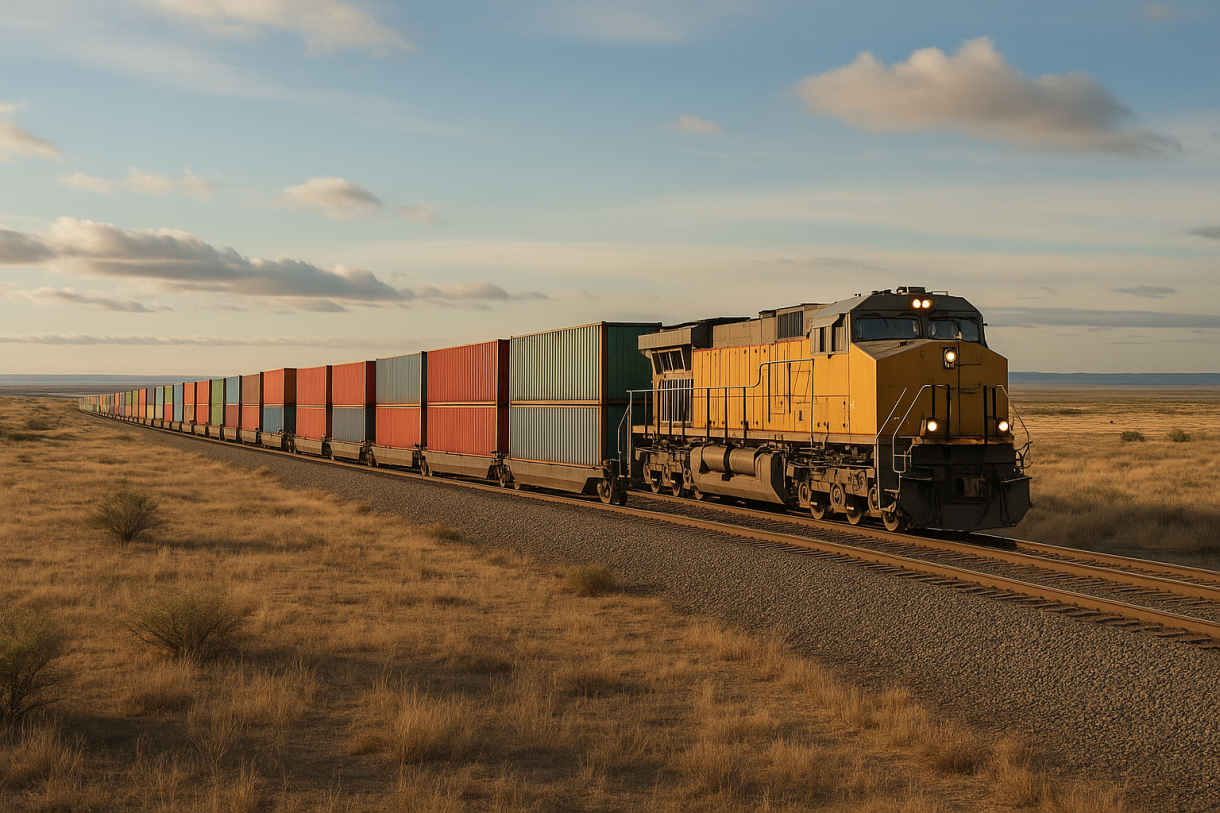
Rail Freight Shipping: Pros and Cons
Rail freight shipping is a core component of modern logistics and supply chains. Whether you are evaluating intermodal freight rail for a long-haul move or comparing rail shipping vs trucking, understanding the true advantages and trade-offs will help you make better transportation choices. This guide explains where rail excels, where it falls short, and how to integrate rail into a broader rail logistics strategy that can lower costs and improve predictability.
Why Rail Freight Shipping Matters
Rail plays a vital role in moving bulk volumes and heavy goods efficiently over long distances. For mainland legs of shipments destined for islands or ports, rail can dramatically reduce costs and environmental impact before cargo transfers to ocean vessels. Even when Hawaii-bound freight requires an ocean leg, long-haul cargo rail often handles the most expensive, longest inland segments. Used correctly, rail increases capacity, improves schedule reliability, and supports greener supply chains.
Key reasons shippers rely on rail:
- Superior rail freight capacity for heavy and bulk loads.
- Improved fuel efficiency and lower emissions that contribute to better rail shipping environmental impact.
- Consistent schedules for predictable planning compared with many road routes.
The Main Pros of Rail Freight Shipping
Lower Long-Distance Costs and Better Cost per Ton
One of the most compelling benefits is economics. On a per-ton basis, rail typically offers a lower freight rail cost per ton than trucking for long distances. Trains move vast amounts of freight using less fuel per ton-mile, so heavy commodities and full-container loads often cost less by rail than by road.
High Capacity and Scalability
Rail provides unmatched rail freight capacity for bulk and heavy cargo. Trains can haul dozens of freight cars in a single movement, which is especially useful for manufacturers, mining, agriculture, and projects that require steady, high-volume throughput.
Predictable Transit and Reliability
Trains run on scheduled corridors, which reduces variability from traffic congestion and driver shortages. That predictability helps planners align inland moves with port windows and vessel sailings, improving overall supply chain reliability.
Environmental Advantages
Rail generally produces fewer greenhouse gas emissions per ton-mile than trucks. For companies tracking their carbon footprint, investing in rail where possible improves the company’s sustainability profile and reduces the rail shipping environmental impact compared with exclusively road-based options.
The Main Cons of Rail Freight Shipping
Limited Route Flexibility
Rail works only where tracks exist. Unlike trucks, trains cannot provide true door-to-door service. That means last-mile connections are still required and shippers incur drayage or local trucking to complete shipments.
Slower Transit for Some Routes
While rail is predictable, it is not always the fastest option. For time-sensitive loads that need point-to-point speed, rail shipping vs trucking often favors trucks for shorter distances or urgent deliveries.
Intermodal Handling and Complexity
Rail often requires intermodal transfers from railcar to truck or to ocean container. Those handoffs add handling steps that must be coordinated carefully to avoid delays or damage. For shipments transitioning to ocean freight for Hawaii, coordinating rail-to-port handoffs is critical.
Infrastructure and Access Costs
Accessing rail ramps, yards, or specialized railcars can add complexity and cost. If your facility is far from a rail terminal, the drayage to reach the nearest rail ramp can reduce the cost advantage of rail.
Rail Freight Shipping Use Cases
Best for Heavy, Non-Urgent, Long-Haul Cargo
Rail is ideal for bulk commodities, raw materials, and equipment where cost per ton matters more than speed. Examples include construction materials, lumber, chemicals, and full-container loads moved to a West Coast port before ocean transit.
Integrating Rail into Intermodal Moves
Many shippers combine rail with truck and ocean transport. For example, cargo may move by rail to a port hub and then continue by sea; that intermodal approach uses rail’s cost-efficiency for the long haul while trucks handle last-mile pickup and delivery. Services such as daily container drayage are common in these flows.
Consolidation and Hub Strategies
Retailers and manufacturers benefit by consolidating smaller shipments at inland rail hubs, then moving them in large blocks by rail. This reduces repeated trucking costs and improves tracking and coordination across the supply chain.
Practical Tips and Best Practices
1. Match Cargo to Rail Strengths
Use rail for heavy, dense, or palletized shipments that do not need immediate delivery. If your freight fits that profile, you will likely benefit from rail transport advantages.
2. Plan Intermodal Timing Carefully
Coordinate rail arrivals with vessel sailings and terminal windows to avoid dwell fees and missed connections. For Hawaii-bound shipments, plan the rail-to-port timeline so ocean sailings are met reliably.
3. Optimize for the Right Railcar Type
Choose boxcars, flatcars, hoppers, or tank cars based on cargo characteristics. The correct railcar reduces damage risk and improves handling efficiency.
4. Account for Last-Mile and Drayage
Rail rarely eliminates the need for trucking. Budget for drayage to and from rail ramps, and evaluate last-mile rail solutions that minimize total transit time and cost. Services such as forklift delivery and inside pick delivery are useful complements.
5. Consolidate Where Possible
Consolidation increases load efficiency and reduces per-unit rates. Where feasible, consolidate multiple shippers or shipments into block trains to maximize savings and simplify tracking.
Comparing Rail to Trucking and Other Modes
Rail vs Truck: Key Differences
- Cost per ton: rail typically wins for long distances and heavy loads.
- Flexibility: trucking wins for door-to-door service and short-notice moves.
- Speed: trucks can be faster for short hauls; rail is competitive for long, uninterrupted corridors.
- Environmental impact: rail is generally greener per ton-mile.
Rail plus Ocean: A Strong Intermodal Pairing
For shipments that must reach ports for ocean export, rail plus sea is often the most cost-effective combination. Long-haul cargo rail moves goods efficiently inland while container shipping completes the ocean leg. Services like break-bulk distribution and container drayage support these multimodal chains.
Cost Considerations: Freight Rail Cost per Ton and Total Landed Cost
While rail lowers the freight rail cost per ton for many commodities, total landed cost remains the deciding metric. Include drayage, terminal handling, intermodal transfers, storage, and last-mile delivery when calculating whether rail is cheaper than trucking for a specific origin-destination pair. Use scenario modeling to compare rail’s unit rates against the full cost of truck-only alternatives.
Environmental and Capacity Considerations
Rail’s lower fuel use reduces emissions and can help companies meet sustainability targets. In addition, because trains carry more cargo per movement, rail can alleviate highway congestion and improve network resilience. For businesses with large, recurring needs, investing in rail-based lanes improves throughput and supports long-term capacity planning.
When Rail Freight Shipping Is Not the Right Choice
- Time-critical shipments where speed is essential.
- Facilities without reasonable access to a rail ramp, where drayage eats potential savings.
- Very small shipments that cannot be cost-effectively consolidated for rail movement.
In those situations, trucking or air solutions will usually be preferable.
Making Rail Work for Hawaii-Bound Supply Chains
Although Hawaii lacks rail infrastructure, mainland rail remains central to Hawaii’s supply chain because it moves cargo to seaports efficiently. If your goods will be exported to the islands, evaluate rail to move bulk inland legs before containerization and ocean transit. Coordinate with providers that understand port timing and the intermodal freight rail process. Complementary services such as lift-gate delivery, flatbed trucks, and refrigerated options like dry refrigerated box trucks ensure end-to-end coverage.
If you need help aligning rail with ocean carrier schedules and last-mile carriers, consult resources such as Forbes for industry insights and work with freight partners who specialize in coordinated intermodal solutions.
Final Thoughts
Rail freight shipping delivers major advantages for the right cargo profiles: lower long-distance costs, large capacity, predictable schedules, and improved environmental performance. The trade-offs include limited routing flexibility, added intermodal handling, and sometimes slower speed. By combining rail intelligently with trucking and ocean transport, shippers can capture cost savings while maintaining reliable service levels.
FAQs About Rail Freight Shipping
1. Is rail freight shipping cheaper than trucking?
Often yes for long distances and heavy shipments. Rail usually offers a lower freight rail cost per ton, but total landed cost must include transfers and drayage.
2. How does rail compare to trucking for speed?
Rail is generally slower for short distances but offers predictable transit times for long-haul routes. For urgent shipments, trucking is usually faster.
3. Can rail be part of a Hawaii supply chain?
Absolutely. Rail moves mainland cargo efficiently to ports where it is then loaded for ocean transport to Hawaii.
4. What goods are best for rail?
Bulk commodities, construction materials, heavy machinery, and palletized container loads are ideal for rail transport.
5. How should I plan intermodal transfers?
Coordinate rail arrivals with port schedules, choose the right railcars, and budget for drayage and terminal handling to avoid delays.