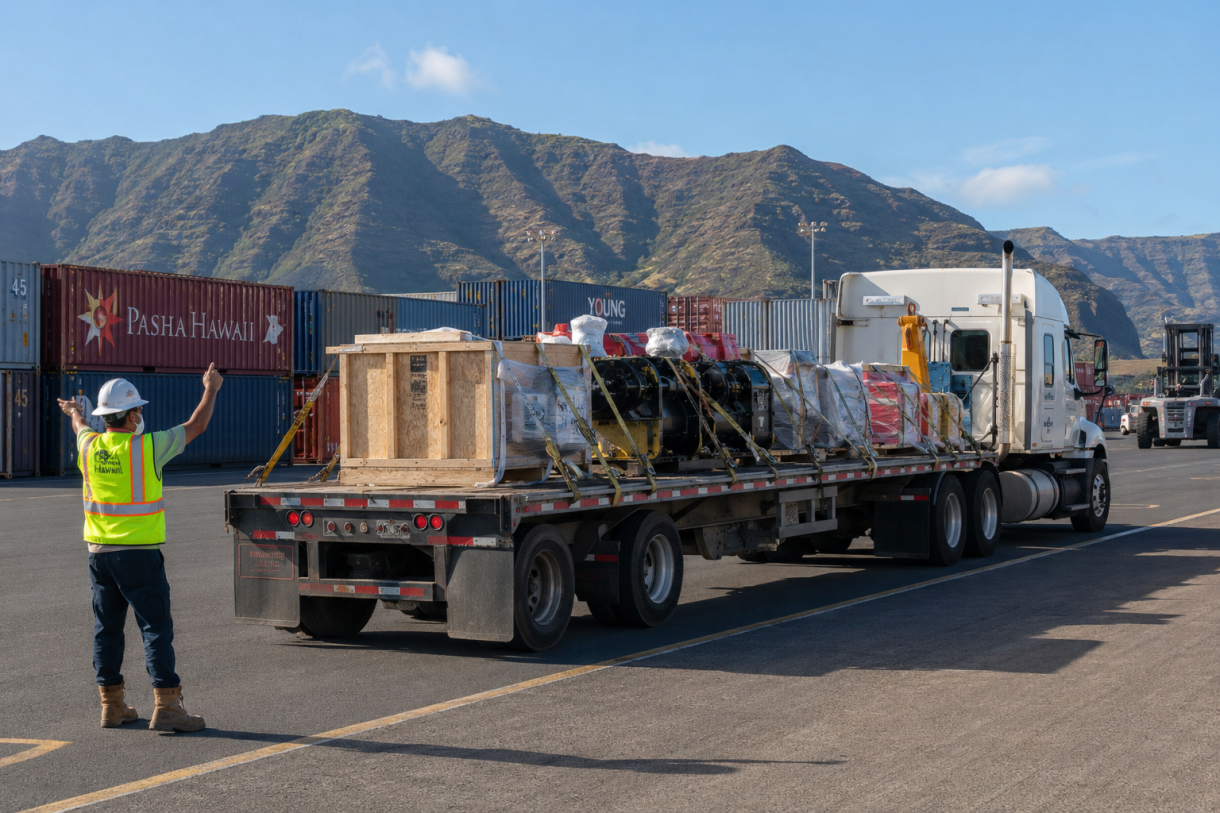
Managing Holiday Weekend Supply Chains: Expert Freight Management Services
When a holiday weekend approaches, sudden port closures and delivery delays can completely derail an island operation, making proactive freight management services essential for protecting commercial supply chains. Partnering with professional freight management services allows businesses to secure dedicated regional assets and avoid the severe capacity shortages that typically choke transport corridors during peak seasonal demand.
For local business owners, securing an accountable carrier before a holiday crunch ensures that essential merchandise moves from the port to your facility without costly delays.
Failing to establish a clear shipping plan before a long weekend can result in severe port storage penalties, empty retail shelves, and stalled construction projects. This guide outlines how to handle complex ltl procurement and mitigate the impact of fluctuating transportation fuel surcharge costs on your seasonal overhead. You will understand how to evaluate asset-based carrier fleets, structure your carrier agreements, and implement a resilient freight strategy that protects your operational budget.
Let's explore how a structured land transport system keeps your cargo moving efficiently during peak seasonal surges.
Seasonal Resilience: The Strategic Value of Professional Freight Management Services
Comprehensive freight management services refer to the systematic coordination, execution, and optimization of overland commercial transportation to maximize supply chain efficiency. These specialized services combine advanced load scheduling, route planning, and capacity sourcing to move industrial cargo safely from arrival docks to final commercial sites.
By taking direct control of carrier routing, paperwork compliance, and terminal staging, they turn erratic shipping patterns into highly predictable freight networks.
For commercial developers, resort operators, and retail business owners across Oahu, establishing these logistics systems is critical to surviving the operational hurdles of holiday weekends. Working with an asset-heavy local specialist to handle your daily container drayage directly from the harbor prevents terminal congestion from slowing down your project timeline.
Securing a partner that operates an in-house fleet gives you instant access to versatile dry & refrigerated box trucks designed to bypass tight urban traffic zones and holiday port closures. Implementing this structural control eliminates the risk of missing product drop windows, keeps your workforce fully productive, and avoids expensive overnight warehousing fees.
Partnering with true asset-backed freight management services yields immediate operational advantages:
- Guaranteed Equipment Access: Direct ownership of flatbeds, drop-decks, and box trucks ensures your cargo is never stranded due to seasonal third-party driver shortages.
- Streamlined Port Clearance: Deep familiarity with terminal security protocols allows for rapid container extraction before weekend gate closures.
- Protected Profit Margins: Transparent pricing structures help small business owners handle sudden shifts in regional transport costs easily.
A common freight mistake is assuming that standard mainland ltl freight brokers can navigate island-wide holiday closures effectively from afar. In reality, detached third-party agencies lack physical assets on Oahu, meaning they must scramble to find last-minute regional sub-haulers, which exposes your delicate cargo to significant delivery delays and unexpected handling fees.
Strategic Procurement: Building a Resilient Holiday Shipping Process
Executing dependable logistics over a compressed holiday weekend requires business owners to shift from reactive booking to structured, long-term procurement. Implementing professional freight management services ensures your business establishes an asset-backed shipping blueprint capable of overcoming peak-season congestion.
By evaluating carrier networks, formalizing your transportation agreements, and mastering regional pricing structures, you can insulate your operations from sudden seasonal delays.
1. Build a Comprehensive Freight RFP Proposal
To secure predictable transport capacity during high-volume periods, you must move away from volatile, spot-market pricing. Crafting a detailed freight rfp proposal forces carriers to commit to specific equipment availability and set pricing tiers well before seasonal freight spikes occur.
Your request for proposal should explicitly detail your regular lane volumes, required trailer types, and specific delivery hours. Compiling this precise logistics data enables asset-heavy transporters to integrate your seasonal shipments directly into their core regional routing schedules.
2. Utilize a Standardized LTL Freight RFP Template
When bidding your transport contracts, standardizing your data format is essential for making objective, side-by-side carrier comparisons. Utilizing a structured ltl freight rfp template ensures that every responding carrier provides clear, transparent documentation regarding their lane capabilities, transit times, and accessorial fees.
A well-constructed template should require bidding transportation companies to break down their specific terminal locations, holiday drop-off protocols, and final-mile trailer assets. Gathering this information protects your supply chain from hidden extra charges and ensures you partner with a provider that owns its fleet.
3. Establish Structured LTL Procurement Controls
Finalizing your regional carrier contracts requires a rigorous approach to corporate ltl procurement that prioritizes operational reliability over the lowest bid. During long holiday weekends, low-cost freight brokers frequently drop low-margin shipments when capacity tightens across the island.
To prevent your essential building materials or retail goods from being left behind, structure your contracts with asset-backed carriers that explicitly guarantee equipment access. Securing a partner that controls its own flatbed trucks gives you a single, accountable point of contact that will not compromise on service quality during peak seasonal surges.
4. Audit the Transportation Fuel Surcharge and Carrier Tariffs
Managing your transportation budget effectively requires complete visibility into how carriers calculate their baseline pricing and fluctuating operational fees. Every major transport provider ties its base rate to a moving transportation fuel surcharge index, which adjusts weekly based on regional energy costs.
Additionally, you must audit the base carrier tariffs—such as a standardized r&l tariff format—to identify how the carrier prices accessory items like lift-gate assistance, residential drop-offs, or holiday weekend storage. Understanding these baseline tariff structures protects your small business from unexpected billing variations when seasonal demands strain transport networks.
5. Streamline the On-Island LTL Delivery Process
The final step in securing your holiday supply chain is optimizing the physical ltl delivery process from the arrival port to your warehouse or jobsite. When maritime shipments land right before a holiday weekend, a reliable local carrier must execute rapid break-bulk sorting to avoid costly terminal storage penalties.
Partnering with a logistics team that offers professional break-bulk distribution ensures your bulk container loads are immediately separated, staged, and loaded onto the correct delivery vehicles. This immediate physical coordination guarantees that your time-sensitive retail merchandise or construction cargo clears the harbor gates before holiday weekend port closures take effect.
Mastering these core procurement and pricing steps allows you to partner with freight management services that protect your financial bottom line while delivering total supply chain certainty.
Island Application: How Local Industries Benefit From Freight Management Services
Reviewing how these procurement and pricing strategies function in daily operations demonstrates the clear value of choosing an asset-heavy transportation carrier. Let's look at how local businesses utilize structured logistics systems to protect their commercial cargo from severe holiday weekend disruptions.
- The Holiday Resort Retail Crunch: A major resort retailer in Waikiki needed to restock high-end inventory right before a busy three-day holiday weekend. Fearing severe capacity shortages from unverified digital brokers, the operations manager issued a formal rfp freight inquiry to secure an asset-based regional provider.
The chosen logistics team pulled the shipping containers from the harbor, executed rapid stripping, and completed an inside pick-up and delivery straight to the resort storage rooms. This proactive action completely eliminated empty store shelves, allowing the resort to secure maximum retail sales during the peak holiday tourist surge.
- The Delayed Infrastructure Project: A commercial developer in Kapolei was waiting on a heavy shipment of structural steel arriving at the port just twelve hours before a long holiday weekend gate closure. Instead of relying on a mainland broker who might get caught off guard by fluctuating fuel costs, the developer negotiated an asset-backed contract that locked in a stable saia fuel surcharge index.
The carrier dispatched an in-house team with drop-deck trailers to clear the port immediately, delivering the materials directly to the jobsite before the holiday shutdown. This swift action prevented a costly two-day labor delay, saving thousands in construction workforce overhead.
- The Perishable Food Supply Staging: A local grocery distributor used short-term climate-controlled warehousing to buffer against holiday shipping delays. By storing inventory locally, the company avoided port demurrage charges and maintained full stock levels across Oahu markets.
These real-world examples prove that implementing professional freight management services provides the physical fleet assets, operational control, and financial transparency required to keep island businesses growing through any seasonal bottleneck.
Professional Insights: Maximizing the Efficiency of Your Freight Management Services
Applying these refined procurement and logistics strategies is what separates an unorganized, reactive supply chain from an highly efficient distribution network. Incorporate these proactive best practices to get the highest performance from your chosen freight management services while completely insulating your budget from unexpected seasonal expenses.
- Lock In Asset Guarantees Early: Never assume a standard maritime broker has trucks open and ready during a hectic holiday rush. Always require bidding transportation companies to explicitly prove physical fleet ownership before signing an rfp freight contract.
Securing a partner that controls its own heavy equipment ensures you can schedule specialized flatbed drop-deck trailers for oversized payloads without facing sudden last-minute driver cancellations.
- Standardize Accessorial Fee Caps: Reviewing basic carrier rules prevents unexpected billing charges from inflating your seasonal transport costs. When finalizing your ltl procurement agreements, ensure that accessorial fees—such as lift-gate usage, residential drop-offs, or holiday standby time—are capped at a fixed dollar amount based on the standard r&l tariff matrix.
This structure protects your small business from unexpected billing penalties when regional shipping corridors become congested.
- Audit Weekly Fuel Adjustments: Do not let moving energy costs quietly erode your product profit margins during peak seasonal delivery cycles.
Ensure your logistics coordinators actively audit the weekly transportation fuel surcharge index used by your carrier to verify that billing percentages match current regional averages exactly. Tracking this data prevents shipping companies from overcharging you during volatile market swings.
Consistently practicing these expert procurement rules keeps your daily operations protected, your overhead low, and your freight shipments moving on schedule.
Operational Stability: Securing Your Peak Season Logistics Strategy
Establishing a proactive transport strategy is the most effective way to protect your business from the sudden capacity shortages and port closures that threaten holiday weekends. You now understand how implementing professional freight management services—from formalizing a comprehensive freight rfp proposal to auditing weekly carrier tariffs—safeguards your commercial supply chain from unexpected operational disruptions.
Recognizing how to utilize a standardized ltl freight rfp template allows you to secure asset-heavy partnerships, eliminate communication gaps, and control your seasonal transportation overhead with absolute certainty.
Taking direct control of your overland procurement today shields your brand from expensive port storage penalties and empty warehouse shelves. Securing an accountable regional carrier ensures your heavy machinery, retail products, and construction supplies move smoothly across the island without missing critical delivery windows.
If you are ready to stabilize your seasonal distribution and guarantee trailer capacity for your upcoming cargo arrivals, contact Preferred Transportation Services today to integrate your supply chain into our daily container drayage network.
Frequently Asked Questions About Freight Management Services
What is the most effective way to manage a sudden spike in a transportation fuel surcharge during a holiday weekend?
The most effective way is to lock in a fixed tariff contract that defines exactly how energy changes are billed before seasonal volume rushes hit. Utilizing professional freight management services allows you to benchmark your shipping costs against a stabilized index rather than fluctuating daily spot prices. This proactive approach ensures your commercial distribution costs remain predictable, even when peak holiday weekend demand strains regional transport equipment.
How does a structured ltl delivery process protect industrial cargo from port storage penalties?
A structured ltl delivery process organizes bulk shipping container arrivals into coordinated final-mile truck routes before a holiday gate shutdown takes effect. An asset-heavy carrier uses its own cross-dock terminal to immediately strip, sort, and distribute the palletized cargo. This rapid physical coordination ensures your freight clears the harbor gates quickly, protecting your business from expensive maritime storage penalties and demurrage fees.
Is it necessary to require asset verification when issuing an rfp freight proposal?
Yes, verifying physical truck and warehouse ownership should be a mandatory rule in your corporate procurement strategy. Standard digital brokers often bid on an rfp freight inquiry without owning a single truck, leaving you exposed to severe capacity shortages when sub-haulers reject low-paying routes over a busy long weekend. Securing a carrier with its own local flatbed trucks guarantees your heavy machinery moves exactly on schedule.
Can professional freight management services help small businesses handle unexpected transit disruptions?
Yes, expert freight management services keep your supply chain resilient by providing dedicated fleet assets and flexible warehouse spaces to bypass regional transit disruptions. If an unexpected port delay or highway closure threatens your distribution timeline, an asset-heavy partner can dynamically reroute trailers or transition your incoming cargo into secure staging facilities. This immediate operational flexibility keeps your business running smoothly without costly downtime.