Professional Growth: Why Small Businesses Choose Our Shipping and Logistics Companies
When a growing business faces sudden inventory pileups or strict supply chain deadlines, partnering with established shipping and logistics companies is the most effective way to protect commercial operations from costly distribution bottlenecks.
True asset-based shipping and logistics companies streamline island commerce by utilizing an in-house fleet and strategic port partnerships rather than relying on detached third-party middlemen. For local business owners, selecting a carrier with physical boots on the ground ensures your freight moves directly from the harbor to store shelves without costly logistical delays.
Failing to secure an accountable local transporter can lead to empty retail shelves, stranded building supplies, and damaged client relationships. This guide explains how national xpo logistics frameworks compare to asset-backed regional distribution systems when handling complex transport demands.
You will understand how to optimize your supply chain routing, evaluate fleet capabilities, and choose a logistics partner that keeps your business moving forward.
Let's look at what sets dedicated asset networks apart from standard freight brokers.
Local Integration: The Vital Role of Strategic Shipping and Logistics Companies
Commercial shipping and logistics companies serve as the physical network that controls the transit, cross-docking, and storage of commercial freight throughout the supply chain.
These specialized operations coordinate the movement of goods from maritime arrival terminals to localized fulfillment centers using an integrated infrastructure of tracking systems and multi-sized vehicle fleets. By managing bulk materials efficiently, they turn incoming maritime cargo into organized, final-mile deliveries.
For small business owners and retailers across Oahu, a relationship with a localized provider is essential for maintaining product availability and managing overhead. Utilizing an asset-backed carrier to manage your daily container drayage straight from the Honolulu harbor protects your business from costly storage penalties and transit disruptions.
Securing an established partner with on-island warehousing offers immediate access to short-term storage spaces, allowing you to scale your inventory dynamically without overextending your physical footprint. Choosing a structured transport ecosystem safeguards your operational capital, reduces inventory strain, and ensures your products reach your clients exactly when they are needed.
Partnering with true asset-heavy shipping and logistics companies provides critical operational advantages:
- Direct Chain of Custody: Managing shipments with an in-house fleet limits cargo hand-offs, minimizing the risk of damage or freight loss.
- Predictable Delivery Timelines: Local dispatchers understand regional traffic patterns and port bottlenecks, allowing for precise delivery scheduling.
- Scalable Fleet Configurations: Access to varied transport assets allows businesses to scale from single pallet movements to full truckloads seamlessly.
A common industry misconception is that major national xpo freight networks manage local island delivery with the same physical infrastructure they utilize across mainland highways. In reality, national logistics corporations frequently function as digital brokers in distant markets, passing your high-value cargo off to unverified subcontractors who lack specific island-wide routing expertise.
Operational Performance: Evaluating Freight Networks and Asset Capabilities
Experienced shipping and logistics companies protect commercial cargo by matching robust terminal networks with specialized transport equipment. While a large national brand like a corporate xpo trucking company relies on broad interstate corridors to handle standard freight, island distribution requires specialized local knowledge and physical asset ownership.
To build a highly resilient supply chain that completely eliminates delivery delays, local businesses must understand the specific operational methods that define premier regional transport networks.
1. Less Than Truckload Shipping Models
For small businesses moving cargo that doesn't fill a standard trailer, less than truckload shipping provides an exceptionally cost-effective freight solution. Under this logistical model, shipments from multiple local businesses are consolidated into a single transport vehicle, allowing companies to share total transit costs.
This specialized process requires highly organized cross-dock terminals where inventory is received, sorted, and routed within strict delivery windows. Utilizing an asset-backed local provider for this process ensures your smaller cargo pallets move efficiently without getting lost in large warehouse backlogs.
2. Digital Freight Visibility and Tracking Systems
Modern commercial distribution requires absolute transparency from the exact moment a sea container drops at the terminal to final-mile arrival. Major national systems like xpo logistics tracking utilize mounted GPS units and digital barcode scanning at key checkpoints to provide continuous data updates.
This real-time visibility allows warehouse managers to monitor inventory transit precisely, prepare receiving docks, and adjust labor schedules. Working with a carrier that incorporates modern tracking tools eliminates the communication gaps common with third-party logistics brokers.
3. Specialized Box Truck and Perishable Delivery
Transporting consumer electronics, dry retail stock, or temperature-sensitive food products requires specialized cargo environments. Asset-heavy carriers address this need by operating a dedicated fleet of versatile dry & refrigerated box trucks designed to navigate tight urban areas safely.
These vehicles are essential for moving cold or frozen inventory without breaking the critical temperature control loop. Utilizing an in-house fleet of multi-sized box trucks allows local businesses to scale their daily product fulfillment seamlessly across the island.
4. Consolidated Cargo Break-Bulk Distribution
When bulk sea containers arrive at a maritime terminal, the cargo must be systematically organized before final delivery routes can begin. High-performing logistics providers utilize secure warehouse spaces to execute precision break-bulk distribution, separating large freight arrivals into smaller, more agile delivery loads.
This intermediate step allows carriers to verify inventory counts, inspect product packaging, and organize route delivery order. This localized staging process streamlines final distribution, preventing product damage and ensuring a smoother delivery experience.
5. Professional Retail Corridor Fulfillment
Delivering products directly to high-traffic retail centers, shopping malls, and strip centers introduces strict delivery parameters and tight spaces. Experienced carriers manage these hurdles by deploying drivers trained in specialized retail deliveries who understand specific shopping center dock schedules and receiving rules.
This dedicated service ensures your retail merchandise is delivered exactly where it needs to be, preventing expensive delivery rejections and keeping store shelves fully stocked.
Understanding these operational layers allows your business to choose a logistics partner capable of supporting your physical growth from the port straight to the customer.
Real-World Logistics: How Island Businesses Partner with Shipping and Logistics Companies
Reviewing these operational workflows in daily commercial scenarios demonstrates how choosing the right asset-backed carrier directly affects business growth. Let's look at how local companies leverage specialized transportation networks to manage their inventory and keep distribution moving smoothly.
- The Honolulu E-Commerce Expansion: A growing clothing boutique based in Honolulu experienced a massive surge in online orders, causing their inventory to completely overflow their small storefront. To stabilize their supply chain without renting an expensive retail space, the boutique partnered with local shipping and logistics companies that own physical assets.
The transport provider systematically moved bulk stock from the harbor into secure short-term storage hubs and utilized local box trucks for daily replenishment. This action allowed the boutique to double its order fulfillment rate without increasing its physical footprint.
- The Windward Oahu Grocery Delivery: A family-owned gourmet grocery distributor needed to move fragile, temperature-sensitive inventory from a port container to several specialty markets across the Windward side. Instead of booking a digital broker or an unverified regional xpo ltl contractor, they secured an asset-heavy local fleet equipped with refrigerated units.
The carrier executed precision container stripping and safely transported the perishable cargo with zero temperature variations, completely eliminating product spoilage and protecting the distributor's wholesale revenue.
- The Metro Oahu Corporate Office Move: A medical logistics firm in metro Honolulu required high-security transport for sensitive laboratory equipment destined for a local clinic.
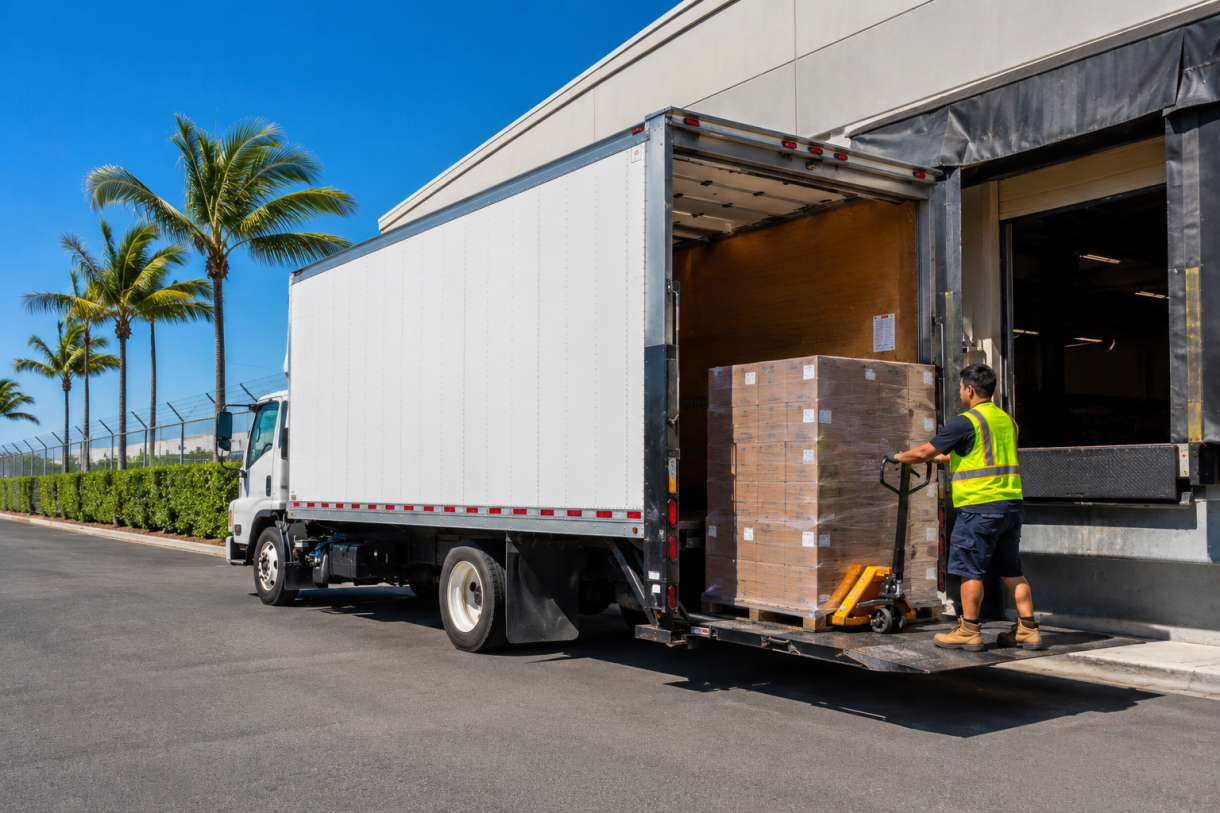
By scheduling an asset-backed vehicle equipped with a specialized lift-gate, the transport team safely handled the heavy cargo at a facility without a loading dock, completing the delivery with zero equipment damage.
These practical examples prove that partnering with dedicated shipping and logistics companies provides the fleet versatility, real-time visibility, and physical storage capacity required to solve any business hurdle with complete confidence.
Proactive Strategies: Optimizing Your Relationship with Shipping and Logistics Companies
Implementing professional routing and documentation strategies bridges the gap between simply understanding freight movement and actively reducing your operational overhead. Apply these practical, asset-focused steps to maximize the efficiency of your chosen shipping and logistics companies while completely eliminating delivery bottlenecks.
- Confirm Asset Ownership Before Booking: Never assume a national provider or digital broker has specialized fleet vehicles sitting ready on the island. Always verify that your transporter owns the specific dry vans or refrigerated trucks required for your cargo before finalizing your schedule.
If your storefront lacks a raised loading dock, requesting a dedicated lift-gate delivery setup ensures your driver can safely lower heavy cargo to ground level without causing delivery delays.
- Consolidate Freight into Structured LTL Batches: If your small business moves consistent, mid-sized product volumes, avoid paying for underutilized truck space. Work directly with your carrier to group your cargo into automated xpo ltl freight cycles or regional consolidation schedules.
This organized approach maximizes vehicle capacity, lowers your overall transit costs, and ensures your pallets move through local cross-dock terminals with minimal handling.
- Train Your Warehouse Team on Tracking Tools: Do not lose visibility of your high-value inventory once it leaves your loading bay. Ensure your logistics coordinators actively use digital tools like xpo logistics tracking portals to monitor automated transit milestones and arrival checkpoints.
Having a live, reliable data stream allows you to coordinate on-site retail receiving crews precisely with the vehicle’s actual arrival window, eliminating costly labor downtime.
Consistently practicing these proactive distribution strategies ensures your commercial cargo remains completely safe, your delivery timelines stay predictable, and your business scales smoothly.
Long-Term Growth: Partnering with Asset-Based Shipping and Logistics Companies
Securing a resilient, scalable distribution network on Oahu is the key to scaling your business operations and maintaining high product availability. You now understand how premier shipping and logistics companies utilize dedicated fleets, local cross-docking, and modern data tracking to move commercial inventory smoothly from the harbor to your storefront.
Recognizing the differences between national networks like xpo logistics freight systems and asset-heavy regional providers allows you to optimize your delivery windows, preserve your operational capital, and fulfill customer orders with absolute precision.
Taking immediate control of your local commercial distribution protects your brand reputation from sudden stockouts and unexpected transport overhead. Securing an asset-based partner that manages everything from container drayage to final-mile retail deliveries ensures your goods are handled with professional care.
If you are ready to stabilize your island supply chain and schedule reliable port-to-door transit, contact Preferred Transportation Services today to secure your daily container drayage.
Frequently Asked Questions About Shipping and Logistics Companies
What is the advantage of using a local fleet over a large corporate xpo trucking company?
A local asset-based fleet offers deep regional routing expertise and a physical presence that a distant, national corporate xpo trucking company cannot match on the island. While national brokers must coordinate transit via mainland dispatchers and local subcontractors, a dedicated on-island transporter maintains direct control of its trucks, ensuring flexible dispatching, clear communication, and immediate port troubleshooting for your high-stakes shipments.
How does less than truckload shipping help small businesses cut distribution costs?
Our less than truckload shipping framework allows small businesses to split overall transportation costs by consolidating multiple smaller freight shipments into a single delivery vehicle. Instead of paying for an entire empty container or trailer, you only purchase the specific pallet space your commercial inventory requires. This optimized shipping model preserves your working capital while ensuring your products move safely through regional cross-dock terminals.
Can regional shipping and logistics companies safely manage temperature-sensitive retail inventory?
Yes, premier shipping and logistics companies actively operate specialized fleets designed to preserve fragile temperature-sensitive freight. By maintaining an in-house inventory of versatile dry & refrigerated box trucks, asset-heavy carriers can pull cargo straight from the port and place it directly into climate-controlled units. This continuous cold chain protection completely prevents food or beverage spoilage during final-mile distribution to local store locations.
What should my warehouse team do if an xpo ltl tracking status stops updating?
You should immediately contact your dedicated asset-heavy provider to check the physical status of the truck container. When tracking gaps occur on large national xpo ltl freight portals, it usually indicates that your cargo has been transferred to a secondary island subcontractor. Partnering with an asset-backed carrier removes this risk entirely, giving you a direct line to the local dispatch office and real-time cargo status updates.