Logistics Supply Chain in Hawaii: Key Insights & Solutions
The Backbone of Hawaii’s Supply Chain Network
Imagine living on an island where everything—from groceries to medical supplies—must travel thousands of miles before reaching your hands. That’s the reality of Hawaii, where an efficient logistics supply chain is more than a business function: it’s a lifeline.
Hawaii’s geographic isolation creates both challenges and opportunities. The constant demand for freight forwarding, warehousing, and interisland logistics drives innovation across the state. From ocean freight to cold chain distribution, every link in the supply chain vs logistics network impacts businesses and consumers.
In this guide, you’ll learn what defines the logistics supply chain in Hawaii, why it’s critical, and how companies like Preferred Transportation Services Hawaii keep it running efficiently across oceans and islands.
What Defines a Logistics Supply Chain in Hawaii
A logistics supply chain involves managing the movement of goods from suppliers to customers. In Hawaii, this process is far more complex than on the mainland due to oceanic separation, port dependencies, and limited warehouse space.
Why the Logistics Supply Chain Matters
The logistics network ensures that vital goods—fuel, food, construction materials, and healthcare supplies—reach every island community. A resilient supply chain:
- Keeps businesses stocked and customers satisfied
- Reduces transport delays caused by weather or port congestion
- Supports Hawaii’s economic stability and trade growth
- Enhances sustainability by optimizing transport routes and minimizing waste
Because Hawaii relies heavily on imports, local logistics providers bridge the gap between mainland suppliers and island consumers. Understanding the difference between supply chain and logistics helps reveal how coordination, timing, and technology work hand-in-hand to maintain efficiency.
How the Logistics Supply Chain Works in Hawaii
The logistics and supply chain meaning encompasses everything from procurement to last-mile delivery. In Hawaii, this network involves multiple stages, partners, and technologies working in sync.
Sourcing and Procurement in the Logistics Chain
The supply process begins by identifying and contracting suppliers, often located in Asia or the continental U.S. Due to shipping schedules and long lead times, forecasting becomes essential for maintaining inventory levels.
Pro Tip: Companies that master supply chain and logistics management build stronger supplier relationships and mitigate potential delays.
Ocean Freight and Interisland Shipping
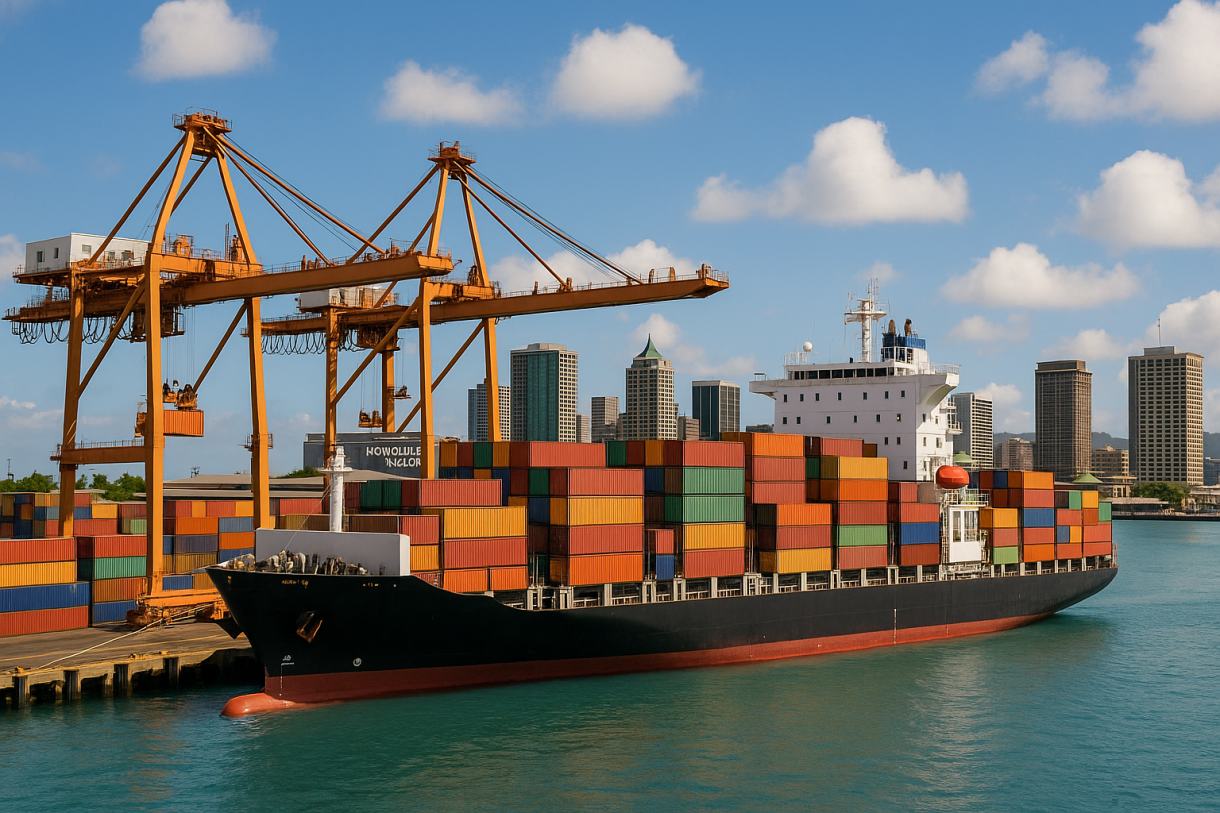
Ocean freight is the backbone of Hawaii’s logistics supply chain. Major carriers such as Matson and Pasha Hawaii transport goods from the mainland to Honolulu, after which smaller vessels distribute them across islands.
Efficient interisland logistics reduce supply interruptions caused by weather or port congestion. Providers offering services like daily container drayage and flatbed trucks ensure consistent cargo movement throughout the islands.
Warehousing and Storage Solutions
Once shipments arrive, they move into strategically located warehouses designed for temperature control and safety. Businesses rely on short-term storage for quick turnover and long-term storage for bulk inventory.
For perishable goods and pharmaceuticals, dry and refrigerated box trucks and cold storage maintain quality during handling. Automated systems further improve visibility into supply chain logistics, ensuring timely inventory tracking and delivery.
Transportation and Final Distribution
The final leg of Hawaii’s logistics supply chain involves coordinated transportation and last-mile delivery. Flatbed drop deck trailers and lift-gate delivery make it possible to handle heavy and sensitive goods efficiently.
Local services such as inside pick delivery, retail deliveries, and military base and residential delivery ensure that every product reaches its final destination on time and in excellent condition.
Technology and Data in Supply Chain Management
Digital transformation has redefined logistics and supply chain management. Tools like real-time tracking, AI-driven analytics, and predictive modeling offer end-to-end visibility and operational efficiency.
These technologies help logistics professionals:
- Monitor shipments in real time across land and sea
- Anticipate bottlenecks or weather disruptions
- Optimize vehicle routes to cut fuel costs
- Improve sustainability in logistics and supply chain management
Platforms highlighted by Supply Chain Digital, Logistics Management, and Inbound Logistics demonstrate how data-driven operations keep Hawaii’s logistics ecosystem agile and resilient.
Real-World Applications of Hawaii’s Logistics Supply Chain
The logistics vs supply chain distinction becomes clearer when examining Hawaii’s industries. Here are two key examples:
Retail Distribution
Retailers depend on accurate forecasting and interisland delivery coordination. A Honolulu-based supermarket chain may cut stockouts by 30% using synchronized inventory planning with mainland suppliers and break bulk distribution.
Healthcare and Pharmaceuticals
Cold chain logistics ensure temperature-sensitive medications and vaccines reach clinics safely. Hospitals leverage data-tracking tools to maintain compliance and prevent product loss.
These applications highlight how sustainable logistics and supply chain management impacts reliability, safety, and community well-being across Hawaii.
Tips and Best Practices for a Strong Supply Chain in Hawaii
To maintain a reliable and adaptable logistics supply chain, Hawaii-based companies should:
- Optimize interisland routes: Use real-time data to prevent weather-related disruptions.
- Partner locally: Work with Hawaii-based transport firms for efficient last-mile solutions.
- Adopt green logistics: Incorporate fuel-efficient vehicles and recyclable materials to promote sustainability.
- Utilize predictive analytics: Plan for demand fluctuations during peak seasons.
- Diversify suppliers: Reduce risk by sourcing from multiple regions.
These steps help organizations stay competitive while supporting the islands’ economic resilience.
Building Hawaii’s Supply Chain Future
The logistics supply chain in Hawaii is more than a transportation network—it’s the foundation that connects communities and sustains daily life. As businesses grow and technology evolves, emphasis on sustainable logistics and supply chain management will continue to increase.
By combining advanced technology, local expertise, and eco-friendly practices, companies like Preferred Transportation Services ensure reliable delivery across the islands. Whether through forklift delivery or efficient storage and warehousing, they help businesses adapt and thrive.
For more insights into modern logistics solutions, explore resources from Forbes, MHI, and Inbound Logistics.
Frequently Asked Questions About Hawaii’s Logistics Supply Chain
1. What is logistics and supply chain?
It’s the process of planning, managing, and optimizing the movement of goods from suppliers to consumers. This includes sourcing, shipping, storage, and distribution.
2. How does Hawaii’s location affect its supply chain?
Hawaii’s isolation means it depends heavily on ocean and air freight. Efficient logistics management ensures on-time delivery and reduced costs.
3. What industries rely most on logistics in Hawaii?
Retail, healthcare, hospitality, and construction rely on robust logistics systems for daily operations and imports.
4. What are the challenges in Hawaii’s supply chain?
High shipping costs, limited storage capacity, and weather disruptions make proactive planning essential.
5. How can businesses improve their logistics in Hawaii?
By partnering with experienced providers, leveraging technology for visibility into supply chain logistics, and maintaining diverse supplier relationships.