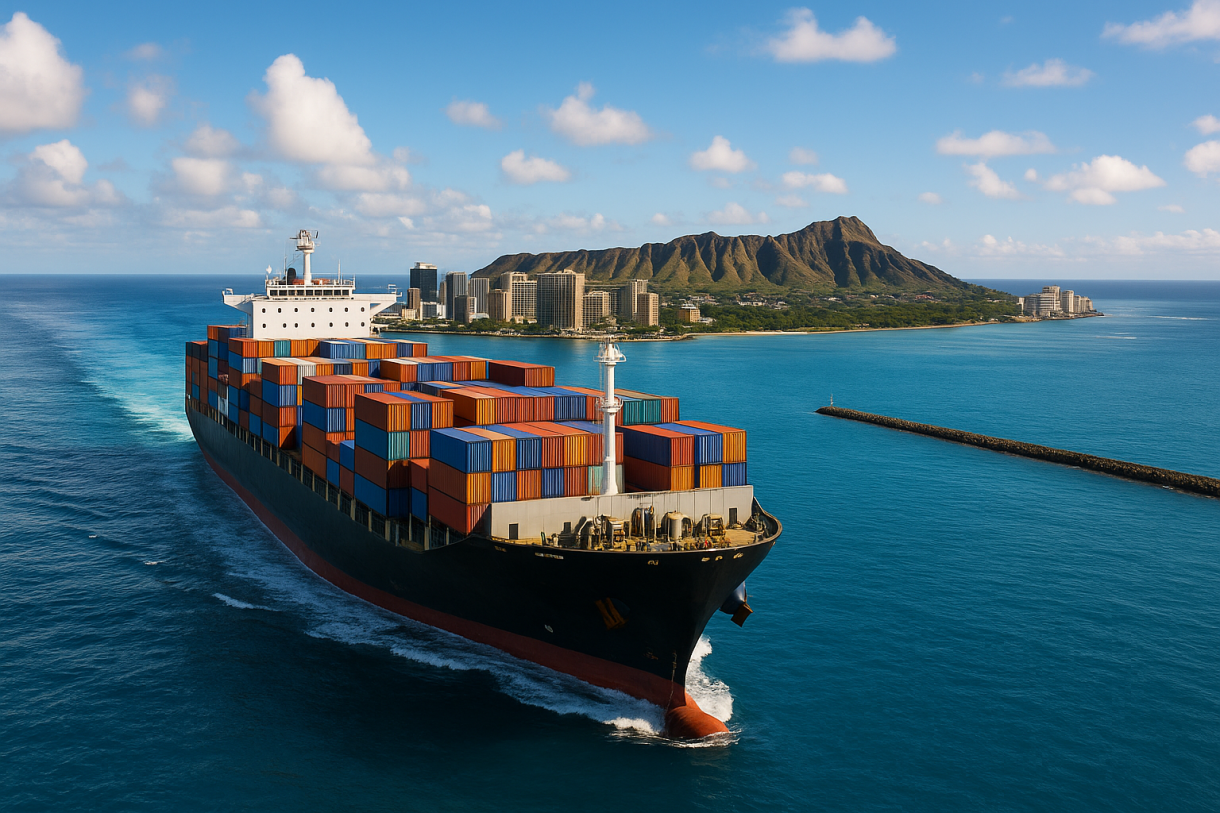
Freight Logistics in Hawaii: How It Works and Why It Matters
The Importance of Freight Logistics in Hawaii
Freight logistics is the unseen force that keeps global economies moving, ensuring goods flow seamlessly from factories and farms to stores and homes. Whether it’s construction materials for Honolulu’s skyline or consumer products arriving from the U.S. mainland, freight logistics is what keeps Hawaii’s economy thriving.
In Hawaii, where every shipment must cross the ocean, understanding freight logistics solutions is more than helpful—it’s essential. Managing ocean freight, warehousing, and last-mile delivery across the islands requires precision, expertise, and local insight.
This article explores how freight logistics works, why it matters in Hawaii, and how Preferred Hawaii delivers professional freight management logistics that streamline operations, reduce costs, and maintain efficiency across the islands.
Understanding Freight Logistics: The Backbone of Global and Island Commerce
What Is Freight Logistics?
Freight logistics involves planning, coordinating, and executing the transport of goods efficiently from one point to another. It covers everything from choosing transport modes (sea, air, or land) to managing inventory, warehousing, customs clearance, and final delivery.
In a globalized economy, global freight logistics ensures that the right products reach the right place, at the right time, and in optimal condition. According to Investopedia, logistics is the foundation of supply chain management, ensuring the steady movement of resources and goods worldwide.
For Hawaii, this process is even more vital. Because nearly all goods must be imported, freight logistics is the lifeline of its economy.
Key Components of Freight Logistics
- Transportation Management: Selecting the best routes and modes, including ocean, air, and road freight logistics.
- Warehousing and Storage: Using short-term storage and long-term storage facilities to manage supply and demand.
- Inventory Control: Tracking and managing stock to prevent shortages or overstocking.
- Freight Forwarding: Coordinating carriers, shipping schedules, and documentation.
- Customs and Compliance: Meeting import/export regulations and documentation standards.
As noted by Logistics Management, modern logistics relies heavily on data analytics and automation to optimize transportation efficiency—a must for Hawaii’s unique island environment.
How Freight Logistics Works in Hawaii: A Step-by-Step Breakdown
Freight logistics might seem complex, but it follows a systematic process designed for efficiency. Below is how modern freight logistics functions—especially in Hawaii’s geographically distinct supply chain.
Step 1: Order Processing and Shipment Planning
Every journey begins with an order. Once a shipment is confirmed, logistics experts evaluate details such as weight, dimensions, and delivery timelines. They determine:
- The most cost-effective transport mode (sea, air, or multimodal)
- The optimal route
- Estimated delivery windows
For Hawaii, ocean freight dominates, but air freight supports expedited logistics and freight services when speed is essential.
Step 2: Freight Forwarding and Documentation
Freight forwarders manage crucial documents such as bills of lading, invoices, and certificates of origin. Acting as intermediaries, they ensure regulatory compliance and timely booking.
Preferred Hawaii coordinates directly with West Coast ports like Los Angeles and Oakland, ensuring accurate documentation and smooth shipping operations—key hallmarks of quality freight logistics.
Step 3: Cargo Consolidation and Transport
Smaller shipments may be consolidated into a single container (LCL), while large shipments occupy Full Container Loads (FCL). Once ready, cargo is transported to port for departure and shipped to Honolulu Harbor.
From there, Preferred Hawaii’s fleet—including flatbed trucks, dry and refrigerated box trucks, and lift gate delivery—handles safe islandwide distribution.
Step 4: Customs Clearance and Inspection
Upon arrival, goods undergo customs inspection and documentation verification. This process ensures compliance with Transportation.gov standards and state regulations.
Preferred Hawaii’s freight logistics solutions team manages this phase with precision, minimizing clearance delays—vital for time-sensitive shipments.
Step 5: Warehousing and Distribution
After clearance, shipments move to warehouses for temporary storage or direct distribution. Preferred Hawaii provides inside pick delivery and military base and residential delivery, ensuring fast, secure last-mile service across the islands.
Step 6: Final-Mile Delivery
Final-mile logistics ensures goods reach their final destinations. This may include retail deliveries, inter-island transport, or forklift delivery for specialized shipments.
Step 7: Tracking, Reporting, and Optimization
The process doesn’t end upon delivery. Today’s freight right global logistics approach incorporates tracking, analytics, and optimization tools that enhance efficiency and reliability.
According to Supply Chain Digital, logistics technology such as IoT tracking and predictive analytics helps businesses streamline supply chains and improve transparency—especially critical in Hawaii’s island economy.
Freight Logistics in Hawaii: Unique Challenges and Smart Solutions
Operating in Hawaii introduces distinctive challenges that mainland companies rarely face. Yet experienced providers like Preferred Hawaii overcome them through advanced planning, local expertise, and robust technology.
1. Geographic Isolation
Hawaii’s remote location—over 2,500 miles from the U.S. mainland—makes freight logistics planning essential to mitigate longer transit times.
2. Port Congestion and Capacity
Honolulu Harbor, Hawaii’s primary gateway, can experience congestion during peak demand. Providers offering expedited logistics freight services plan around port schedules to maintain efficiency.
3. Inter-Island Distribution
After goods arrive on Oahu, they must be redistributed to other islands using flatbed drop deck trailers and daily container drayage.
4. Weather and Seasonal Factors
Tropical storms and high surf can delay shipments. Companies offering united freight logistics solutions create contingency plans to minimize disruptions.
5. Regulatory Compliance
Navigating federal and state logistics regulations requires local expertise. Preferred Hawaii ensures all documentation aligns with compliance standards set forth by Transportation.gov.
By combining experience, innovation, and strong local networks, Preferred Hawaii continues to deliver quality freight logistics services that Hawaii’s businesses depend on.
Best Practices for Managing Freight Logistics in Hawaii
Optimizing your freight logistics operations in Hawaii takes foresight and flexibility. Here are top best practices:
- Plan Early: Secure space and scheduling during busy shipping seasons.
- Leverage Local Expertise: Partner with a Hawaii-based logistics firm for specialized knowledge.
- Diversify Shipping Modes: Combine sea, air, and land routes for efficiency.
- Track Shipments in Real-Time: Visibility enables proactive solutions.
- Invest in Technology: Digital systems improve accuracy and forecasting.
- Focus on Sustainability: Route optimization and eco-friendly materials reduce carbon footprint.
Data from Statista shows that global logistics demand continues to grow, highlighting the importance of innovation in modern freight logistics systems.
The Future of Freight Logistics in Hawaii
The future of freight logistics in Hawaii is driven by innovation, data, and sustainability. AI-powered route planning, blockchain security, and automation are transforming the way goods move across the islands.
Sustainability efforts—such as renewable port energy and cleaner fuel alternatives—are shaping the next generation of global freight logistics. Hawaii’s strategic location will continue to make it a vital link in Pacific trade networks.
As highlighted by Supply Chain Digital, collaboration between technology providers and logistics firms is key to building resilient, adaptive systems that can thrive amid global changes.
Businesses that partner with Preferred Hawaii will enjoy flexibility, transparency, and reliable freight logistics solutions tailored to island commerce.
FAQs About Freight Logistics in Hawaii
1. What is freight logistics?
Freight logistics is the management and coordination of goods across sea, air, and land, ensuring timely, safe, and efficient delivery.
2. Why is freight logistics important in Hawaii?
Because Hawaii depends on imports, freight logistics ensures steady access to essential goods, from food to building materials.
3. How long does it take to ship freight to Hawaii?
Ocean freight usually takes 5–7 days from the West Coast, while air freight supports expedited logistics and freight services for faster delivery.
4. What services does Preferred Hawaii provide?
Preferred Hawaii offers freight management logistics, including ocean and air freight, warehousing, break bulk distribution, and inter-island transport.
5. How can I choose the best freight logistics company in Hawaii?
Select a provider with proven local experience, transparent pricing, and advanced technology—qualities that define Preferred Hawaii.