2026 Fleet Efficiency: Using Tech for Route Optimization and Real-Time Logistics Tracking
Deploying an integrated logistics tracking system is the definitive operational solution for island businesses that cannot afford to guess when critical freight will clear Honolulu port traffic or arrive at the job site. Partnering with an asset-heavy local fleet ensures that advanced telematics and real-time shipment tracking solutions eliminate the costly communication gaps that stall commercial supply chains.
For Oahu commercial contractors, retail managers, and food distributors, relying on blind arrival estimates results in idle work crews, depleted storefront shelves, and broken consumer commitments. Utilizing precise transportation tracking guarantees that your commercial goods are continuously monitored, allowing you to optimize delivery windows across dense urban corridors and remote industrial zones.
In this guide, you will discover how modern logistics tracking infrastructure and automated route planning stabilize your daily operations. You will understand how to eliminate transit bottlenecks, evaluate carrier tracking technology, and choose responsive local distribution pathways. Let's examine how this connected fleet keeps your cargo moving efficiently.
The Operational Impact of Real-Time Logistics Tracking on Oahu
Advanced logistics tracking is a digitally synchronized asset management framework that provides continuous, real-time visibility over commercial cargo from the moment it leaves a maritime container terminal until final delivery.
By combining GPS sensor arrays, geofencing networks, and cloud-based logistics shipment tracking software, this system delivers instant telemetry regarding vehicle location, traffic bottlenecks, and estimated arrival windows.
For Oahu business owners, project managers, and supply chain directors, this tracking ecosystem transforms vague, manual transit estimates into precise, actionable logistics data.
For organizations navigating Hawaii’s highly competitive market, real-time cargo visibility directly dictates your operational profitability and efficiency. Relying on detached transport brokers who provide no concrete updates introduces massive risks of site delays, lost productivity, and misallocated crew hours.
Securing transparent daily container drayage solutions eliminates this friction, giving you absolute confidence that your incoming ocean containers are monitored and routed through optimal land paths. Having your freight mapped in real time allows you to adjust to unpredictable island bottlenecks and coordinate warehouse arrivals seamlessly.
Integrating an automated, asset-heavy tracking system into your Oahu distribution model offers immediate advantages:
- Elimination of Arrival Guesswork: Provides exact delivery timelines, allowing on-site crews to prepare for offloading without wasting labor hours.
- Proactive Traffic Mitigation: Uses smart route telematics to steer delivery fleets clear of major highway delays or construction blockades.
- Complete Chain of Custody Control: Secures high-value industrial or retail cargo by constantly verifying its physical location and transit status.
A common industry misconception is that any carrier can provide modern fleet transparency using basic cell phone updates from drivers. In reality, reliable route planning requires dedicated vehicle hardware that actively communicates with an island-wide network.
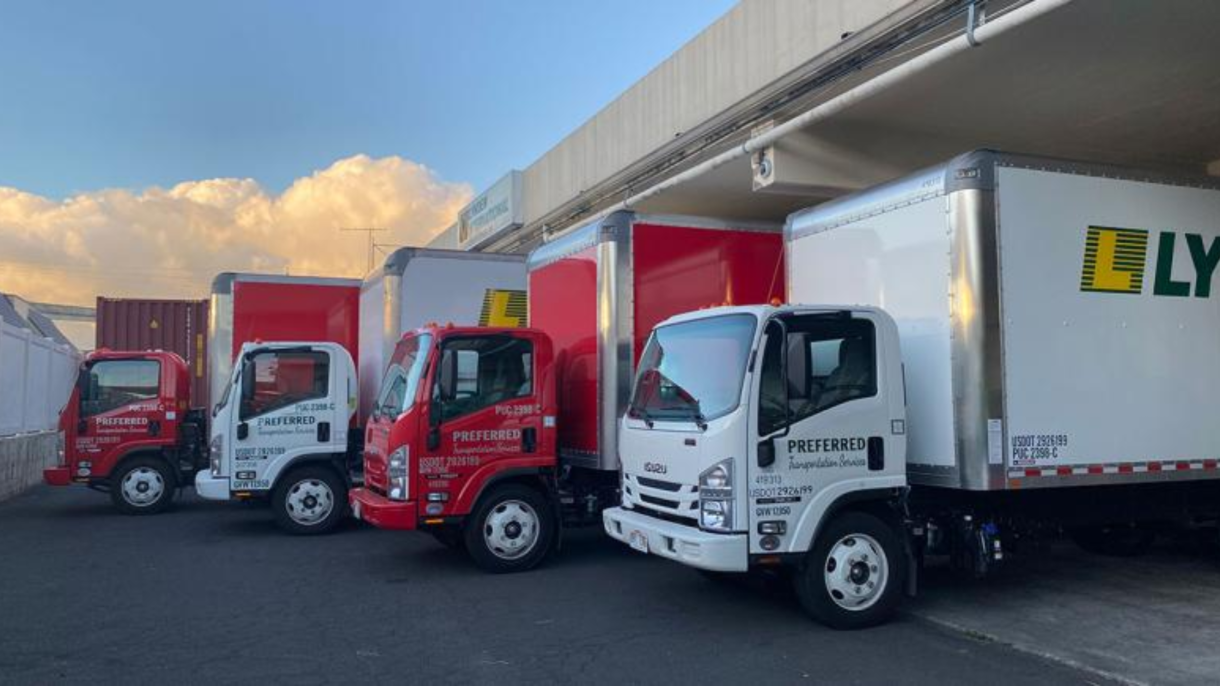
To see how these physical assets prevent transit blind spots, look at our professional dry & refrigerated box trucks fleet, which balances onboard climate controls with precise digital transit logging for high-stakes cargo.
Core Components of an Optimized Island Logistics Tracking Network
To master the unique geography of Oahu's supply chains, local businesses must look past fragmented communications and establish a unified, tech-driven transport strategy. Implementing a professional logistics tracking architecture ensures that your inbound sea freight transitions seamlessly into structured land transit without hitting operational blind spots.
When local developers and retailers utilize a centralized logistics tracking system, they gain total transparency over container movements from the moment they are offloaded at the Port of Honolulu. To build a resilient 2026 distribution model, your business needs to understand the specific components that make up a highly optimized, asset-heavy tracking network.
1. Unified Container Drayage Mapping and Port Telematics
The tracking process begins the instant your cargo arrives at the maritime terminal. A high-efficiency carrier utilizes specialized port telematics to track the exact status of your ocean containers, coordinating terminal gate movements to avoid congestion fees.
By combining daily container drayage workflows with live port status updates, dispatchers can accurately predict offloading schedules and send tracking data straight to your desk. This early-stage visibility ensures you are never left guessing whether your container is sitting on the dock or already in transit to our Kapolei facility.
2. Automated Route Optimization and Real-Time Traffic Geofencing
Oahu’s arterial highways, specifically the H-1 corridor, are prone to sudden traffic stoppages that can stall poorly planned deliveries for hours. Advanced fleet software continuously monitors island traffic conditions, automatically calculating alternative bypass routes through industrial corridors to keep delivery schedules intact.
By establishing virtual geofences around critical construction sites and retail distribution points, dispatchers receive instant notifications when a truck approaches its destination. This systematic approach completely eliminates the need for manual check-in phone calls, freeing up your team to focus on core operations.
3. Integrated Warehouse Staging and Live Inventory Controls
A reliable tracking framework must extend past the truck bed and into your temporary storage space. When inbound freight requires staging before its final delivery window, it must be logged into a secure warehouse layout where it can be scanned and tracked down to the individual pallet.
Utilizing transparent inventory mapping prevents cargo displacement and ensures that bulk materials remain instantly accessible for onward distribution. Staging your freight within a dedicated short-term storage environment gives your business a flexible buffer against maritime delays, keeping your supply chain completely stable.
4. Precision Final-Mile Unloading Visibility and Mechanical Fleet Telemetry
The final link in the distribution chain occurs at the destination drop-off site, where delivery teams must handle cargo with absolute care. True operational transparency means tracking the exact moment your goods are unloaded, especially at locations that lack standard loading docks or industrial infrastructure.
Utilizing an asset-heavy fleet equipped with onboard mechanical tools ensures that heavy, palletized, or irregular loads are grounded safely without relying on site machinery. To see how specialized final-mile delivery machinery secures your cargo drop-offs, look at our professional forklift delivery options to achieve self-sufficient transport and verification from start to finish.
Syncing Field Asset Ownership with Data Accuracy
Relying on a digital tracking dashboard is only as effective as the physical fleet executing the move. While mainland-based brokers use third-party logistics tracking systems to monitor sub-contracted drivers from a distance, they cannot step in to resolve physical roadside or terminal issues.
Choosing an island-based partner that owns its trucks, warehouses, and material handling machinery provides an ironclad point of accountability. When your tracking system is powered by an in-house fleet, the data you see matches the actual physical status of your goods, giving you the precise, actionable insights required to run an efficient commercial enterprise.
Real-World Case Studies: Maximizing Efficiency with Modern Logistics Tracking
Examining how tech-driven route optimization functions on the ground shows how advanced monitoring protects island supply chains from costly unexpected delays. Local enterprises depend on consistent logistics tracking to successfully bypass daily highway congestion and maintain precise commercial commitments.
- Preventing Construction Downtime: A major development firm in West Oahu was facing costly labor overruns due to uncoordinated material drops at a high-density job site. By partnering with a local fleet that utilizes a centralized logistics tracking system, the site managers could pinpoint the exact transit location of their steel framing shipments.
They integrated this live data with their specialized flatbed & drop-deck hauling fleet, creating an optimized staging sequence that reduced crew downtime by 25% and saved thousands in daily overhead.
- Synchronizing High-Volume Retail Staging: A national retail brand struggled with erratic shipping arrivals at their Honolulu storefronts, leading to empty shelves during high-velocity promotional periods. They implemented targeted shipment tracking solutions to closely monitor cargo moving from the port to our Kapolei warehouse. This clear visibility allowed the store managers to coordinate precise final-mile delivery windows, ensuring shelves remained fully stocked without cluttering backroom inventory spaces.
- Securing High-Value Military Supply Chains: A defense subcontractor used advanced transportation tracking arrays to monitor sensitive electronics shipments heading to Central Oahu bases, ensuring absolute compliance with federal chain-of-custody protocols.
These actual scenarios prove that pairing real-time fleet visibility with asset ownership eliminates the guesswork from complex island distribution networks. You can easily implement these exact same digital tracking workflows to stabilize your commercial operations and secure your daily bottom line.
Strategic Telematics Tips for Maximizing Your Logistics Tracking System
Applying proactive monitoring practices turns basic digital dashboard views into a powerful asset management asset. Fine-tuning how your company coordinates with an active logistics tracking framework prevents unexpected transit delays and keeps your local retail or construction projects moving seamlessly forward.
- Establish Direct Global Logistics Solutions Tracking Protocols: Connect your internal inventory databases directly with your carrier's core data stream. Utilizing automated logistics shipment tracking feeds updates your warehouse crew instantly, allowing you to schedule incoming labor precisely around actual vehicle arrival times.
- Configure Proactive Geofencing Alerts: Program custom electronic boundaries around your high-priority commercial delivery zones. When a transport truck crosses these lines, your receiving managers automatically receive a notification, eliminating the need to manually look up tracking information on a computer.
- Coordinate Seamless Final-Mile Specialized Drops: Match your live cargo updates with the precise physical delivery equipment needed at your location. To see how specialized unloading tools protect your delicate or heavy retail inventory during drop-offs, check out our dedicated retail deliveries fleet to guarantee smooth, professional final-mile transport.
- Audit Historical Route Telematics Weekly: Review your fleet's transit logs at the end of each week to find recurring island bottlenecks. Analyzing historical data helps dispatchers adjust future delivery routes away from predictable traffic areas, cutting down your overall distribution costs.
Implementing these proactive fleet tracking strategies completely removes the operational blind spots that disrupt complex regional supply chains. Taking full advantage of automated telematics safeguards your commercial assets and guarantees that your valuable inventory stays perfectly on schedule.
Secure Your Supply Chain with Reliable Logistics Tracking Solutions
Implementing a high-precision logistics tracking network fundamentally upgrades how your business manages its daily island distribution. You now understand how combining an advanced logistics tracking system with an asset-heavy local fleet removes transit blind spots, eliminates costly communication gaps, and keeps your inventory moving smoothly past port bottlenecks.
By relying on real-time telematics rather than manual arrival guesswork, you protect your bottom line, optimize your staff schedules, and build a highly responsive supply chain.
Securing absolute visibility over your commercial freight safeguards your investments and gives you the actionable data required to make smart, confident operational decisions. Taking a proactive step to upgrade your fleet visibility today ensures your organization can meet consumer demand and easily outpace regional market competition.
If you are preparing to pull incoming ocean freight from the maritime terminal and require specialized cargo transport across Oahu, pairing your real-time data stream with a robust, versatile fleet ensures complete transit security; explore our professional local cartage service options to streamline your port-to-door transitions.
Stop letting unpredictable highway traffic or communication delays cause expensive project standstills or broken customer commitments. Connect with our dedicated Kapolei dispatch specialists today to stabilize your island routes, eliminate tracking blind spots, and secure your long-term operational resilience by partnering with the premier choice for real-time Oahu logistics tracking to move what matters safely and efficiently.
Frequently Asked Questions About Local Logistics Tracking
How can a business track a shipment accurately across different transport phases on Oahu?
You can easily track your cargo by partnering with a carrier that integrates its fleet with a centralized logistics tracking system. Instead of dealing with multiple uncoordinated tracking numbers, this platform provides an all-in-one view of your freight as it moves from the harbor to final delivery. This integrated approach updates arrival times automatically, allowing your team to plan warehouse labor or site handoffs without dealing with tracking gaps.
What is the most reliable way to perform a freight tracking number lookup for ocean containers?
The most reliable method is to use a carrier that links maritime port data directly with localized shipment tracking solutions. This data connection lets you enter your original bill of lading or container numbers to see when your ocean freight is offloaded and loaded onto a local truck. To see how this tracking integration streamlines your port operations, review our professional daily container drayage options to achieve smooth, end-to-end transport updates.
Can a real-time logistics tracking network prevent expensive port demurrage fees?
Yes, automated logistics tracking updates completely prevent costly terminal demurrage penalties by alerting dispatchers the exact moment your container clears customs. Because your fleet managers receive live status updates, they can immediately route a truck to pick up the container before free storage windows expire at the dock. This automated monitoring saves your company from unnecessary terminal fines and streamlines your entire maritime supply chain.
How do modern global logistics solutions tracking tools handle sudden island traffic delays?
Modern tracking tools handle unexpected highway delays by using live GPS telematics to automatically update arrival times and calculate faster bypass routes. When a truck encounters heavy congestion on the H-1 highway, the transportation tracking system alerts dispatchers and automatically redirects the driver through alternative industrial roads. This real-time visibility ensures that your on-site receiving managers are always kept informed of transit changes, keeping your business fully efficient.