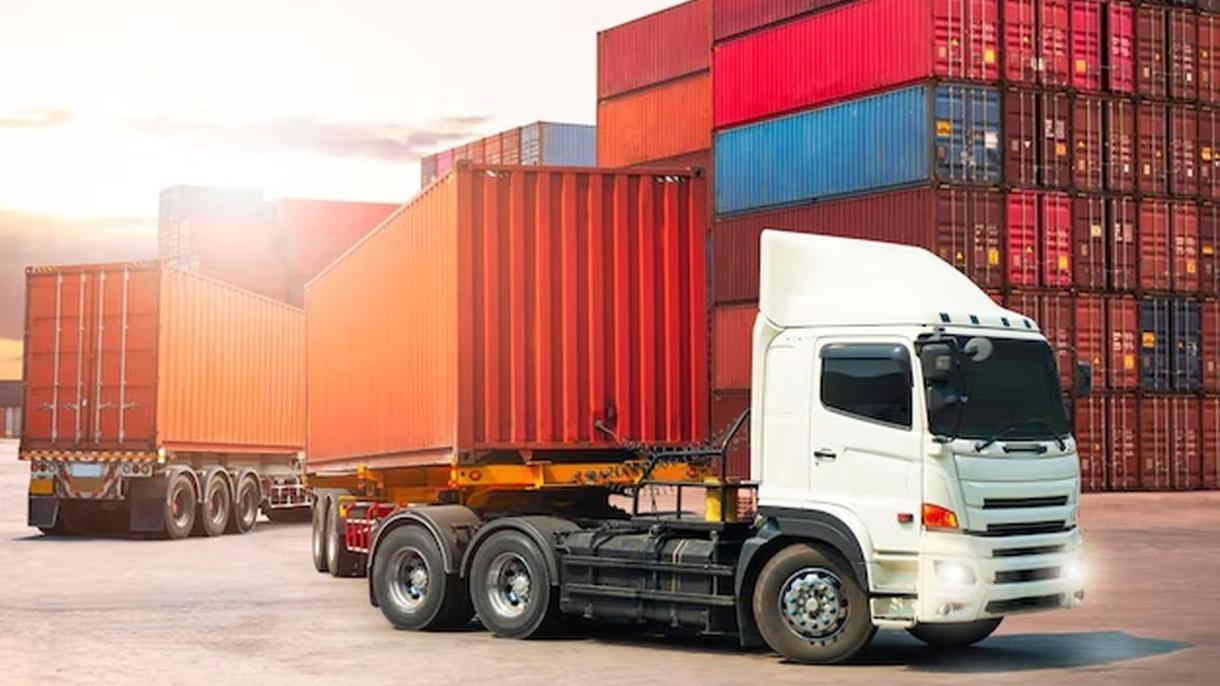
2026 Logistics: How Smart Warehousing is Speeding Up Logistics Services
Managing island supply chains requires overcoming constant port congestion, limited storage footprint, and unpredictable shipping schedules. Implementing smart warehousing practices modernizes logistics services by combining real-time inventory tracking, strategic staging, and rapid cross-docking to accelerate overall transit times across Oahu.
For local business owners, commercial developers, and store managers, supply chain bottlenecks mean empty shelves, stalled construction projects, and mounting demurrage surcharges.
Relying on advanced shipping logistics solutions transforms high-density warehousing into an active staging buffer, allowing a logistics shipping company to pull cargo from harbor piers and dispatch it precisely when job sites or retail locations are ready.
In this article, you will learn how modern warehouse integration streamlines inventory movement, reduces transit delays, and helps you select the right transport strategy for your business.
The Foundations of Smart Warehousing in Modern Logistics Services
Smart warehousing in 2026 refers to the integration of automated inventory management, digital tracking, and strategic cross-docking within physical storage facilities. Instead of serving as passive static storage, modern hubs function as high-speed distribution nodes that process, sort, and dispatch cargo immediately upon arrival.
For local retailers, contractors, and island business owners, integrating smart facility operations with comprehensive logistics services directly impacts operational continuity and financial performance. Delays at harbor terminals or crowded staging sites lead to costly demurrage fees, missed project deadlines, and inventory shortfalls.
Utilizing an established daily container drayage strategy alongside local facility storage allows commercial operations to buffer freight off-site, clearing maritime piers quickly while keeping site deliveries precisely on schedule.
Key operational advantages of smart warehouse integration include:
- Minimized Dwell Times: Rapid container offloading and digital staging significantly lower risk exposure to dock storage penalties.
- Enhanced Inventory Visibility: Automated tracking provides real-time oversight of stock levels, enabling precise final-mile delivery scheduling.
- Flexible Capacity Management: Utilizing targeted short-term storage buffers supply chain fluctuations during peak shipping seasons or unexpected harbor delays.
A frequent misconception is that warehousing inherently slows down distribution by adding an extra handling step. In reality, partnering with a professional logistics company shipping enterprise creates an agile staging hub, eliminating dockside gridlock and accelerating final delivery across Oahu.
Key Pillars of Smart Warehousing Driving Modern Logistics Services
Modernizing island supply chains requires pairing advanced facility infrastructure with a fleet equipped for specialized cartage. Modern warehousing goes far beyond holding inventory; it serves as a dynamic operational engine that accelerates movement, protects cargo integrity, and lowers total transit costs.
1. Rapid Cross-Docking and Break-Bulk Handling
Traditional warehousing often relies on long-term pallet placement, which can slow down distribution when goods are needed immediately on job sites or retail floors. In 2026, smart facilities utilize streamlined sorting protocols to process incoming ocean containers immediately upon arrival.
By employing dedicated break-bulk distribution workflows, a logistics shipping company can unpack incoming containers, sort cargo by final destination, and reload goods onto local delivery vehicles without long-term holding. This approach drastically cuts dock-to-door transit times, allowing commercial operations to bypass port congestion and receive critical inventory faster.
2. Specialized Fleet Equipment for Diverse Freight Needs
Accelerating distribution requires matching staging facilities with versatile road transport assets. A smart facility is only as effective as the transport network connected to it. When freight arrives at an island hub, specialized equipment ensures it moves safely to its final receiving location regardless of cargo shape, weight, or temperature requirements.
- Temperature-Controlled Goods: Cold chain inventory requires continuous climate tracking from warehouse bays to store shelves. Utilizing dry & refrigerated box trucks preserves perishable food and beverage shipments across long island routes.
- Heavy and Oversized Materials: Construction projects depend on structural steel, pre-cast concrete, and heavy machinery that cannot be moved in standard trailers. Transporting bulky cargo requires specialized flatbed drop-deck trailers to navigate low-clearance routes while maintaining load security.
3. Integrated Final-Mile and White-Glove Capabilities
Speeding up transport means nothing if cargo gets stuck at the final receiving site. Many commercial facilities, commercial offices, and residential drop-off points across Oahu lack standard loading docks or heavy equipment for offloading.
Modern corporate logistics services solve this bottleneck by deploying trucks equipped with hydraulic lift-gates and mobile forklifts. Offering specialized services like inside drop-offs ensures that goods move past the driveway or loading dock directly into offices, retail backrooms, or job site staging areas, eliminating delays and manual handling risks for the recipient.
4. Strategic Buffer Storage for Supply Chain Resilience
Ocean transport schedules are inherently vulnerable to weather disruptions, vessel delays, and harbor congestion. Maintaining an agile staging hub allows island businesses to absorb shipping irregularities without stalling daily operations.
By coordinating with dedicated logistics delivery companies, commercial developers and retailers can stage bulk inventory off-site and schedule precise, on-demand deliveries. This strategic buffer prevents job site overcrowding, protects materials from weather damage, and eliminates costly harbor demurrage penalties.
Integrating smart facility management with specialized road transport establishes an efficient end-to-end network, giving island businesses complete control over their logistics services and delivery timelines.
Smart Warehousing in Action: Real-World Logistics Solutions
Integrating smart facility management with dedicated cartage transforms daily operations for commercial businesses across Oahu.
- Commercial Construction Site Staging: A general contractor in Kapolei faced tight site constraints that prevented on-site storage for structural steel and lumber.
By partnering with a top-tier logistics company shipping enterprise, materials were received from the harbor, staged off-site, and delivered on-demand using flatbed trucks. This eliminated job site clutter, prevented material damage, and kept trade crews working on schedule without costly delays.
- Retail Supply Chain Continuity: A Honolulu retail chain struggled with stockouts caused by delayed ocean container processing during peak shopping seasons.
Coordinating with leading logistics delivery companies, the business implemented rapid cross-docking to pull freight from harbor piers directly into local staging hubs. Inventory reached retail shelves 48 hours faster, eliminating stockouts and maximizing seasonal sales.
- Hospitality Food and Beverage Delivery: A Waikiki resort required precise daily deliveries of perishable foods to maintain kitchen inventory without cluttering receiving bays. Utilizing temperature-controlled logistics and shipping solutions, refrigerated box trucks delivered staged goods daily, preserving food quality and maintaining hotel operations.
These real-world examples demonstrate how combining intelligent facility management with specialized logistics services solves real operational challenges, protects delivery timelines, and keeps island businesses running efficiently.
Proactive Strategies to Optimize Your Logistics Services
Implementing smart warehousing concepts requires moving from reactive troubleshooting to structured supply chain planning. Applying these practical transport strategies allows island businesses to maximize fleet efficiency, lower operating expenses, and streamline overall logistics services.
- Establish Strategic Port-to-Warehouse Buffers:
Avoid steep harbor demurrage fees by pulling ocean containers directly from piers into nearby staging hubs.
Partnering with experienced logistic shipping services enables rapid container drayage to an off-site facility, protecting your freight budget while maintaining complete control over inventory distribution schedules.
- Leverage Off-Site Storage for Site-Ready Staging: Prevent site overcrowding and material degradation by holding inventory in secure long-term storage facilities.
Staging raw materials or retail merchandise off-site allows you to pull cargo on-demand, ensuring job sites and retail floors receive items only as needed.
- Audit Destination Access and Unloading Capabilities: Verify receiving area dimensions, dock heights, and offloading machinery before dispatching freight. Established corporate logistics services providers use detailed site access information to assign appropriate transport assets—such as lift-gate trucks or mobile forklifts—preventing missed delivery windows and costly site delays.
Adopting these proactive management strategies strengthens supply chain resilience, protects cargo safety, and ensures your logistics services deliver predictable, on-time results.
Driving Supply Chain Efficiency Through Modern Logistics Services
Integrating smart warehousing with dedicated island freight distribution gives commercial operations the speed, visibility, and control necessary to thrive in 2026. By pairing advanced inventory staging with a specialized local fleet, businesses can bypass harbor bottlenecks, protect delicate cargo, and maintain seamless on-time deliveries across Oahu.
Taking control of your supply chain today prevents costly port demurrage, eliminates job site delays, and keeps customer shelves stocked year-round. Upgrading your local freight strategy ensures every shipment moves efficiently from dock to door.
Ready to optimize your supply chain and accelerate delivery timelines across Oahu? Partner with Preferred Transportation Services to explore our full suite of logistics services and request a custom quote for your business.
Frequently Asked Questions About Smart Warehousing and Logistics Services
How does smart warehousing speed up island-wide logistics services?
Smart warehousing accelerates distribution by transforming static storage into high-speed distribution nodes.
By utilizing automated inventory tracking and rapid cross-docking, incoming sea freight is processed immediately upon port arrival. This allows a specialized logistics shipping company to bypass harbor dock delays and dispatch staged goods directly to Oahu job sites, retail stores, or commercial facilities without unnecessary transit holds.
Can smart warehousing help businesses avoid harbor demurrage fees?
Yes, utilizing a strategic staging hub prevents costly harbor demurrage fees. Ocean containers lingering at port terminals quickly accrue daily detention penalties. By arranging rapid container drayage off port docks directly into dedicated short or long-term storage, businesses clear maritime piers fast, buffer inventory safely off-site, and schedule final-mile delivery strictly on their own project timeline.
How do specialized delivery capabilities complement corporate logistics services?
Advanced warehousing is only as effective as the road fleet connected to it. Comprehensive corporate logistics services pair smart staging facilities with versatile transport assets, such as flatbed trailers, temperature-controlled box trucks, mobile forklifts, and lift-gates.
This ensures that staged freight—from heavy construction materials to perishable food—is delivered past the curb directly into job sites or retail backrooms smoothly.
What is the difference between standard warehousing and smart staging solutions?
Traditional warehousing focuses primarily on long-term static pallet storage, which often creates bottlenecks when cargo is needed urgently. Modern shipping logistics solutions focus on dynamic staging and rapid transit.
Goods are received, sorted via break-bulk processing, and prepped for immediate final-mile distribution. This approach reduces overall inventory holding times, lowers carrying costs, and drastically improves supply chain responsiveness for local businesses.
About the Author
Ryan Malaluan, CAPM®, is an SEO & Content Strategist with over 8 years of experience in SEO, content strategy, and digital marketing. He holds a Bachelor of Arts in Literature and is a Certified Associate in Project Management (CAPM®). Throughout his career, Ryan has worked with brands including Spacer, Airtasker, Marlee (formerly Fingerprint for Success), VEED.IO, and ROSEMET LLC, as well as several digital marketing agencies, helping businesses strengthen their organic visibility through strategic, results-focused SEO and content.