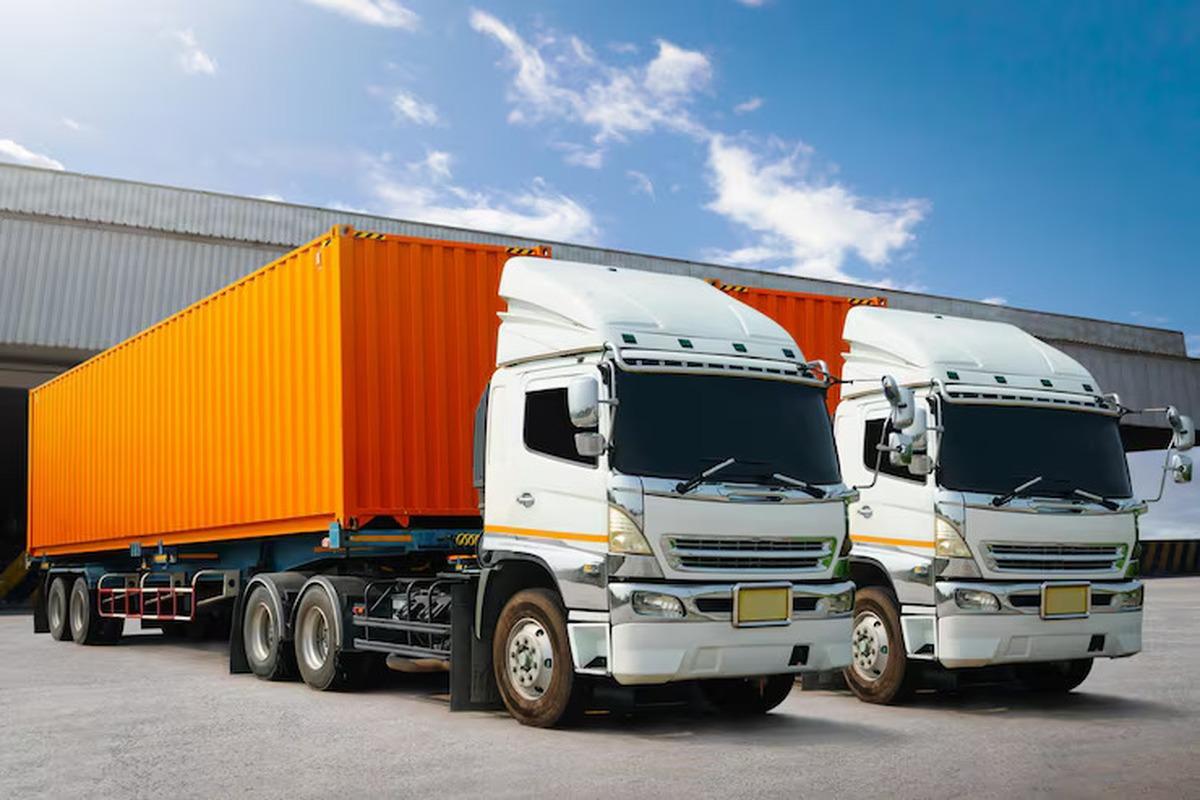
Beating the Rush: Strategic Port-to-Door Drayage Coordination
Securing reliable drayage services ensures imported ocean containers move seamlessly from Honolulu harbor terminals to local warehouses, jobsites, and storefronts before costly demurrage fees accumulate. Professional drayage acts as the vital short-haul link that prevents costly port delays, keeping island supply chains running on schedule.
When ocean freight sits idle at the docks, businesses face severe daily container storage penalties, supply disruptions, and empty retail shelves. On Oahu, where isolated geographical conditions leave little room for shipping errors, mastering port-to-door transportation logistics is essential for protecting business margins and project timelines. Partnering with experienced operators who maintain carrier interchange agreements guarantees fast container pickup and steady cargo movement.
In this guide, you will learn how strategic port drayage works, how to choose the right drayage service, and how proper equipment selection prevents costly bottlenecks across Oahu.
What Is Drayage and Why It Is Critical for Island Supply Chains
At its core, drayage is the specialized short-haul transportation of freight containers over brief distances, typically connecting ocean ports, rail yards, and local distribution centers. In maritime logistics, drayage trucking handles the crucial transition from ship to shore, pulling containerized cargo off harbor terminals and hauling it directly to inland warehouses, retail facilities, or jobsites. Without this critical link, ocean containers remain trapped at the docks, bringing island commerce to a complete standstill.
For commercial developers, retailers, and business owners on Oahu, efficient container drayage directly impacts operational costs and project deadlines. Ocean shipping lines impose strict free-time allowances at harbor terminals; once that window expires, uncollected containers incur steep daily demurrage fees and detention charges that rapidly erode profit margins.
Utilizing dependable daily container drayage eliminates port bottlenecks, ensuring incoming goods are cleared and delivered before expensive storage penalties accumulate.
Key operational benefits of a coordinated short-haul strategy include:
- Demurrage Mitigation: Rapid container retrieval from harbor terminals avoids costly daily dock storage fees.
- Predictable Inventory Flow: Scheduled port pulls ensure store shelves, distribution hubs, and jobsites stay fully stocked.
- Seamless Carrier Interchange: Direct interchange agreements with ocean lines allow continuous, uninterrupted container movement.
A common misconception is treating harbor transport as simple flatbed hauling. In reality, executing a reliable drayage service requires established interchange agreements with ocean carriers, specialized chassis fleets, and TWIC-credentialed drivers who understand port protocols. Staging inventory in local short-term storage facilities provides an additional operational buffer, giving businesses total flexibility when managing fluctuating port arrivals.
Step-by-Step Guide to Coordinating Seamless Port-to-Door Drayage
Executing a seamless port-to-door container delivery requires meticulous preparation, specialized equipment, and direct alignment with maritime terminal schedules. Masterful drayage coordination connects vessel offloading directly to final-mile transport across Oahu, eliminating unnecessary terminal storage delays.
Streamlining your drayage shipping workflow ensures incoming containers move efficiently from harbor docks to commercial destinations without costly demurrage fees or operational friction.
1. Establish Pre-Arrival Shipping Protocols and Carrier Interchanges
Successful port logistics begin well before the container ship arrives at harbor docks. Ocean transportation lines require strict interchange agreements and valid security credentials before releasing freight to local cartage drivers.
To prevent container holds upon vessel discharge, ensure your transportation provider maintains active interchange agreements with major ocean lines like Matson, Pasha Hawaii, and Young Brothers. Establishing pre-arrival documentation guarantees that drivers are authorized to pull containers the moment they are cleared by terminal operators.
2. Monitor Vessel Discharge and Harbor Terminal Free Time
Ocean lines grant a limited "free time" window for containers to sit at port terminals before imposing daily demurrage charges. During peak shipping surges or harbor congestion, missing this window leads to exorbitant daily storage fees that quickly inflate supply chain expenses.
Proactively track vessel arrival times and container discharge statuses through terminal management systems. Dispatching drayage shipping services immediately upon cargo discharge maximizes your free-time allowance and prevents expensive storage penalties at the dock.
3. Match Freight Cargo Requirements with Specialized Equipment
Different types of containerized cargo require specific hauling equipment and offloading capabilities. Attempting to transport heavy machinery or temperature-sensitive goods without the appropriate chassis or truck configuration risks cargo damage and severe transportation delays.
Assess your shipment specifications to select the correct transport setup:
- Standard Container Chassis: Ideal for dry ocean containers containing general retail merchandise and consumer goods.
- Refrigerated (Reefer) Equipment: Essential for maintaining cold-chain integrity when hauling perishable food and beverage cargo.
- Flatbeds and Drop-Deck Trailers: Designed for oversized construction materials, structural steel, or pre-cast concrete. Utilizing specialized flatbed trucks simplifies hauling heavy cargo that exceeds standard container dimensions.
4. Coordinate Final-Mile Delivery and Unloading Logistics
The final stage of port-to-door transport involves transferring goods from the container directly into the receiving facility, jobsite, or commercial store. Facilities without loading docks require specialized equipment to unload heavy, palletized materials safely.
Coordinate destination logistics in advance by arranging mobile offloading equipment. Utilizing forklift delivery services at receiving sites without permanent docks ensures freight is offloaded quickly, allowing the empty container chassis to return to the port within the allotted turnaround time.
5. Streamline Empty Container Returns and Port Gate-In
Completing the short-haul cycle requires returning the empty ocean container back to the harbor terminal. Delaying the empty return past the designated equipment allowance window results in detention charges from ocean carriers.
Schedule immediate return routes or stage empty containers temporarily at a local secure yard before gate-in deadlines. Maintaining continuous oversight across all drayage operations ensures every container returns on time, keeping your shipping loop efficient, cost-effective, and fully compliant.
Real-World Applications of Port-to-Door Drayage Operations
Seeing how professional drayage operates in real-world scenarios highlights its essential role in maintaining island supply chain continuity across Oahu.
- Commercial Retail Inventory Replenishment: A national retail store on Oahu faced severe stock shortages before a holiday sale due to harbor terminal delays.
By partnering with a local carrier possessing direct port interchange access, they scheduled immediate container pulls upon vessel discharge. The driver transported the container to a nearby facility for break-bulk distribution, enabling same-day store delivery and completely avoiding daily demurrage fees.
- Construction Site Heavy Material Delivery: A commercial developer required oversized steel beams and pre-cast concrete delivered directly to a high-density building site in Honolulu.
Instead of risking transit delays at the port, they arranged specialized drayage transportation using drop-deck trailers equipped for heavy loads. The synchronized port-to-jobsite movement eliminated site downtime and kept the construction schedule strictly on track.
- Perishable Food and Beverage Logistics: An island grocery distributor needed urgent clearance for temperature-controlled reefer containers arriving at the dock. Utilizing specialized refrigerated box trucks and prompt harbor pulling, the team safely delivered perishable inventory directly to store coolers with zero thermal loss.
These practical examples illustrate how optimizing your drayage logistics protects cargo integrity, controls shipping costs, and delivers dependable operational outcomes across the island.
Expert Strategies for Managing Island Drayage Operations
Applying expert operational tactics transforms basic container transport into an efficient, cost-controlled advantage for your island supply chain.
- Verify Active Ocean Carrier Interchange Agreements: Confirm that your transport partner maintains active interchange agreements with major ocean lines like Matson, Pasha, and Young Brothers before containers hit the water.
Established carrier agreements eliminate administrative holds at harbor gates, allowing drivers to pull containers immediately upon vessel discharge and avoiding steep demurrage penalties.
- Utilize Local Off-Site Warehousing Buffers: Avoid staging ocean containers directly at congested retail docks or job sites where chassis detention fees accumulate rapidly.
Transporting containers directly to secure long-term storage or short-term island staging yards allows you to unload freight safely and return empty container chassis to the port within free-time limits.
- Pre-Clear Security Access for Specialized Deliveries: Ensure your transport provider utilizes drivers with valid TWIC credentials and military base clearances if your cargo is destined for government facilities or secured commercial ports. Pre-clearing drivers eliminates gate delays and guarantees seamless final-mile delivery across high-security locations.
- Coordinate Offloading Equipment in Advance: Match your receiving destination with the appropriate offloading machinery before container dispatch. Booking lift-gate trucks or mobile forklifts for facilities lacking loading docks ensures rapid container stripping and prevents expensive driver turnaround delays.
Implementing these proven strategies optimizes your drayage workflow, lowers overall drayage service expenses, and protects your shipments from unexpected harbor bottlenecks.
Streamline Your Island Logistics with Preferred Transportation Services
Mastering port-to-door drayage is essential for maintaining a resilient, predictable supply chain on Oahu. By securing pre-arrival carrier interchanges, monitoring terminal free-time windows, and deploying specialized fleet equipment, island businesses eliminate expensive harbor demurrage fees and avoid operational downtime. Partnering with an experienced local carrier provides complete visibility and control over your drayage operations from vessel discharge to final delivery.
Proactively coordinating your port transportation protects your bottom line and guarantees that essential materials, retail stock, and industrial cargo arrive on schedule. Taking charge of your short-haul logistics ensures your business stays ahead of harbor congestion and supply disruptions.
Ready to eliminate port delays and optimize your island container movements? Partner with the local experts at Preferred Transportation Services to secure reliable container drayage and dedicated transportation today.
Frequently Asked Questions About Port Drayage Services
What is container drayage and why is it necessary on Oahu?
Container drayage is the short-haul land transport of freight containers between maritime ocean terminals and local warehouses, construction sites, or distribution facilities. On Oahu, efficient drayage trucking is necessary to clear incoming ocean containers from Honolulu harbor docks quickly. Prompt removal prevents severe harbor terminal congestion and protects businesses from expensive daily port demurrage penalties.
How do drayage shipping services prevent demurrage charges?
Professional drayage shipping services prevent demurrage by monitoring vessel schedules and pulling containers immediately upon discharge within the carrier's designated "free-time" window. Transportation providers with active interchange agreements with major ocean lines like Matson and Pasha clear harbor gates without administrative holds. This swift container retrieval ensures cargo reaches local destinations before costly daily dock storage fees begin accruing.
Can drayage logistics handle high-security or military deliveries?
Yes, experienced drayage logistics providers handle deliveries to high-security locations, including government facilities and military installations across Oahu. Driver fleets equipped with Transportation Worker Identification Credentials (TWIC) and proper base clearances ensure smooth port pickup and gate access. Utilizing specialized military base and residential delivery options guarantees that sensitive cargo reaches restricted destinations safely and on schedule.
What equipment is required for specialized container drayage?
Specialized drayage requires versatile equipment tailored to specific freight requirements. Standard container chassis handle general dry cargo, while temperature-controlled reefer units protect perishable food shipments. For oversized construction materials or heavy machinery, specialized flatbeds and drop-deck trailers ensure proper load distribution, safe highway transport, and efficient offloading at job sites lacking standard loading docks.
About the Author
Ryan Malaluan, CAPM®, is an SEO & Content Strategist with over 8 years of experience in SEO, content strategy, and digital marketing. He holds a Bachelor of Arts in Literature and is a Certified Associate in Project Management (CAPM®). Throughout his career, Ryan has worked with brands including Spacer, Airtasker, Marlee (formerly Fingerprint for Success), VEED.IO, and ROSEMET LLC, as well as several digital marketing agencies, helping businesses strengthen their organic visibility through strategic, results-focused SEO and content.