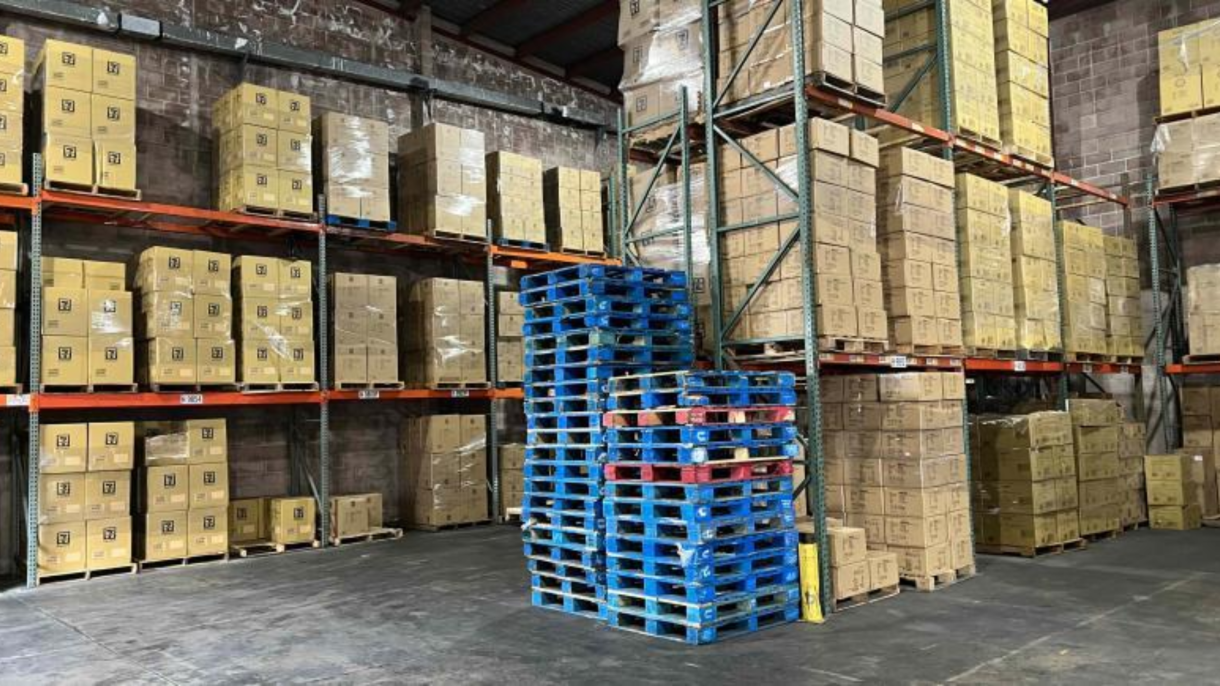
Break-Bulk Solutions: Global Logistics Tracking for Manufacturing Overflow
When manufacturing surges cause supply chain bottlenecks, you need immediate answers, not missing cargo. Preferred Transportation Services provides reliable break-bulk distribution and robust global logistics tracking to keep your industrial operations moving smoothly.
Managing manufacturing overflow requires precise coordination; without real-time logistics tracking, delayed components can stall production lines, spike warehousing costs, and jeopardize critical client relationships.
Implementing a dependable global logistics tracking platform ensures total visibility from the production floor to our local Kapolei hub. In this guide, you will discover how strategic break-bulk handling combined with advanced global transport tracking simplifies complex freight management and secures your supply chain resilience on Oahu.
Let’s explore how the right infrastructure keeps your overflow organized and on schedule.
Resolving Manufacturing Overruns with Reliable Global Logistics Tracking
Manufacturing overflow occurs when production volume exceeds local storage capacity or immediate distribution capabilities, leaving facilities flooded with inventory. To manage this surplus without halting assembly lines, industrial operations rely on break-bulk distribution—deconstructing large cargo shipments into smaller, manageable units for localized transport.
Navigating this surge requires robust global logistics tracking to monitor components as they move from international production hubs to final destinations.
For industrial facilities and logistics managers, clear visibility during a production spike is a matter of operational survival. A breakdown in your global logistics tracking platform during an overflow crisis leads to severe bottlenecking at the port, missed delivery windows, and costly plant downtime.
To keep assembly schedules intact, you need an asset-based partner who combines port-to-door reliability with precise international logistics tracking. Utilizing our specialized break-bulk distribution services ensures that individual crates, machinery parts, and heavy pallets are meticulously sorted and scanned the moment they land on Oahu.
An uncoordinated overflow strategy risks severe financial penalties and strained vendor relationships. However, integrating a dependable logistics tracker into your supply chain offers immediate practical advantages:
- Eliminates Port Demurrage: Seamless tracking alerts our fleet to coordinate rapid port retrieval using daily container drayage, avoiding costly port storage fees.
- Optimizes Warehouse Space: Real-time visibility allows you to stage overflow inventory dynamically, utilizing short-term storage assets precisely when production lines max out.
- Guarantees Component Accountability: Granular tracking ensures high-value manufacturing materials are never lost during the transition from bulk sea freight to local delivery trucks.
A common misconception is that standard parcel tracking can handle the complexities of industrial overruns. In reality, heavy industrial freight requires specialized, asset-heavy global logistics solutions tracking to navigate local port protocols and secure high-security military or commercial delivery zones seamlessly.
Overcoming Overflow Challenges with Reliable Logistics Tracking Solutions
Managing an unexpected influx of manufacturing materials requires a structured, step-by-step approach to ensure inventory is accounted for, sorted, and routed efficiently. When raw components or heavy machinery arrive in bulk, relying on basic freight notifications is a recipe for supply chain blindness.
To secure your operation, you need an asset-based strategy built around advanced global logistics tracking that bridges the gap between international maritime arrivals and local final-mile distribution.
Implementing robust global logistics solutions tracking workflows ensures that when your production overflow hits the docks, it is instantly integrated into an actionable local transport plan. Here is the step-by-step process for managing manufacturing overflow seamlessly on Oahu.
1. Establish Real-Time Port Visibility
The moment your overflow freight leaves its origin port, it must be integrated into a centralized global transport tracking system. For island logistics, this means monitoring ocean carriers like Matson or Pasha before they arrive at the Port of Honolulu.
Having early visibility allows your team to pre-stage local transport assets. Knowing the exact container status prevents your freight from sitting idle on the docks, which triggers expensive demurrage penalties and disrupts tight manufacturing timelines.
2. Coordinate Immediate Container Drayage
Once the vessel docks, speed is critical. A reliable global freight forwarder tracking setup alerts local drivers for immediate container grounding and extraction. Our team utilizes daily container drayage to pull over-capacity containers out of the port terminals rapidly, transferring them directly to our secure facility in Kapolei for swift processing.
3. Deconsolidate and Sort via Break-Bulk
When manufacturing overflow arrives packed tightly in ocean containers, it cannot be delivered to a production floor all at once. The cargo must undergo break-bulk distribution, where bulk shipments are carefully unbolted, segregated, and organized by part number, project phase, or final destination.
During this high-velocity staging phase, utilizing an accurate logistics tracking system ensures that every loose crate, pallet, or uncontainerized machine component is scanned and localized within the warehouse.
4. Deploy Specialized Fleet Assets for Staged Delivery
Industrial overflow rarely consists of standard, easily stacked boxes. It frequently involves oversized machinery, heavy structural steel, or raw industrial materials that require specialized transport.
For heavy machinery or pre-cast components, utilizing flatbed and drop-deck trailers is required to handle irregular weights safely. For palletized overflow destined for tight urban corridors or facilities without loading docks, deploying a fleet equipped with forklift and lift-gate delivery services ensures safe, self-sustained offloading.
Every specialized vehicle in the fleet must feed data back into your primary global logistics tracking system, ensuring you know exactly when an oversized component is en route and when it lands on-site.
5. Final-Mile Verification and Inventory Staging
The final step in managing manufacturing overflow is securing proof of delivery and updating your internal inventory systems. An end-to-end global shipment tracking workflow concludes with a digital signature and a real-time status update the moment the freight is offloaded.
Logistics Pro-Tip: Never assume a facility can receive overflow cargo just because they have open floor space. Always verify that the receiving site has the specific material-handling equipment—like heavy-duty forklifts or overhead cranes—ready before the dispatch leaves the staging hub.
By executing these five steps with a dedicated, asset-backed partner, you transform a chaotic inventory spike into a controlled, predictable, and fully visible logistics operation.
Practical Applications of Global Logistics Tracking in Manufacturing
Transitioning from supply chain theory to everyday industrial operations demonstrates how real-time visibility keeps businesses resilient. Here is how local industries actively utilize advanced tracking to conquer manufacturing overruns on Oahu.
- Mitigating Port Delays for Construction Suppliers: A major industrial supplier faced sudden factory overruns on structural steel components arriving at the Port of Honolulu.
By integrating an advanced global logistics tracking system, they monitored the ocean carrier’s arrival precisely, allowing them to dispatch our flatbed trucks for immediate container grounding. This synchronized execution avoided steep port storage penalties and transferred the overflow safely to temporary staging.
- Synchronizing Multi-Facility Retail Distribution: A regional distributor experienced a massive manufacturing surge of consumer goods, flooding their primary warehouse.
They deployed a centralized global logistics tracking platform to orchestrate seamless container drayage and break-bulk routing across multiple fulfillment hubs. Utilizing this precise logistics tracking data, they successfully balanced their inventory across the island without a single delivery delay.
- Managing Time-Sensitive Food Production Surges: When a local commercial food processor experienced an unexpected surplus of raw ingredients, they relied on global transport tracking to monitor inbound temperature-controlled reefers. This visibility allowed them to pre-stage emergency cold storage transport, protecting thousands of dollars in perishable inventory.
These real-world examples prove that having actionable data at your fingertips eliminates supply chain chaos, allowing you to replicate these smooth operational outcomes in your own facility.
Best Practices for Maximizing Your Logistics Tracking Solutions
Moving from basic freight visibility to true operational control requires tactical adjustments to how you manage data. Implementing these expert-level practices ensures your global logistics tracking system works at peak efficiency during critical production spikes.
- Audit Your Freight Forwarder's Data Integration: Ensure your external partners sync directly with your primary global logistics tracking platform. If data feeds are delayed by even a few hours, your local drayage team won’t have the accurate grounding times needed to prevent port storage fees.
- Establish Automated Threshold Alerts: Configure your logistics tracker to send instant notifications the moment a container hits key milestones, such as ocean carrier departure, port grounding, or warehouse arrival. This real-time visibility allows you to schedule specialized equipment, like inside pick-up and delivery crews, precisely when the cargo is ready.
- Centralize Your Local Asset Management: Do not separate your international freight alerts from your local trucking dispatch. Combining your global transport tracking with an asset-heavy local carrier ensures that when an overflow container unloads, a dedicated truck is already waiting to receive it.
Applying these precise, data-driven habits transforms your tracking setup from a passive observation monitor into an active tool for supply chain resilience.
Securing Your Supply Chain with Reliable Global Logistics Tracking
Effectively managing manufacturing overruns requires a seamless combination of real-time visibility and asset-heavy local execution. By implementing advanced global logistics tracking, you gain complete control over your freight from the moment it leaves an international port until it is sorted and delivered on Oahu.
This level of oversight removes the guesswork from supply chain management, allowing you to prevent costly dock delays and maintain seamless production schedules.
Investing in a dependable global logistics tracking platform is the most effective way to eliminate operational bottlenecks and protect your bottom line during unexpected inventory surges. Having precise global transport tracking data ensures your team can make fast, high-stakes distribution decisions with absolute confidence.
When your operations face complex overflow demands, partner with an asset-backed specialist that controls the entire local delivery chain. Explore our comprehensive break-bulk distribution and logistics tracking solutions to keep your island supply chain moving efficiently.
Frequently Asked Questions About Global Logistics Tracking
What is the role of global logistics tracking in managing manufacturing overruns?
Global logistics tracking provides continuous visibility for raw materials and finished parts transitioning from high-volume factories to distribution hubs. When production overflows, real-time tracking ensures that excess cargo is monitored at every checkpoint.
This precise oversight allows logistics teams to coordinate rapid port grounding and swift local transportation, preventing inventory blockages and ensuring that production schedules remain entirely unhindered.
How does a global logistics tracking platform prevent port demurrage fees?
A robust global logistics tracking platform syncs your international ocean carrier data directly with local asset-based carriers. By monitoring real-time container grounding milestones at the Port of Honolulu, the system automatically alerts dispatchers the moment cargo is cleared.
This precise communication allows our team to execute immediate container drayage, pulling your overflow freight off the docks well before expensive port storage penalties accumulate.
Can specialized freight be monitored using standard logistics tracker tools?
Standard parcel trackers lack the granular data required to handle heavy, uncontainerized, or oversized industrial freight. Managing complex manufacturing overflow requires specialized global freight forwarder tracking built for break-bulk and industrial cartage.
These advanced systems monitor bulk ocean shipments through deconsolidation, sorting, and final delivery via specialized vehicles like flatbed trucks, ensuring total item-level accountability.