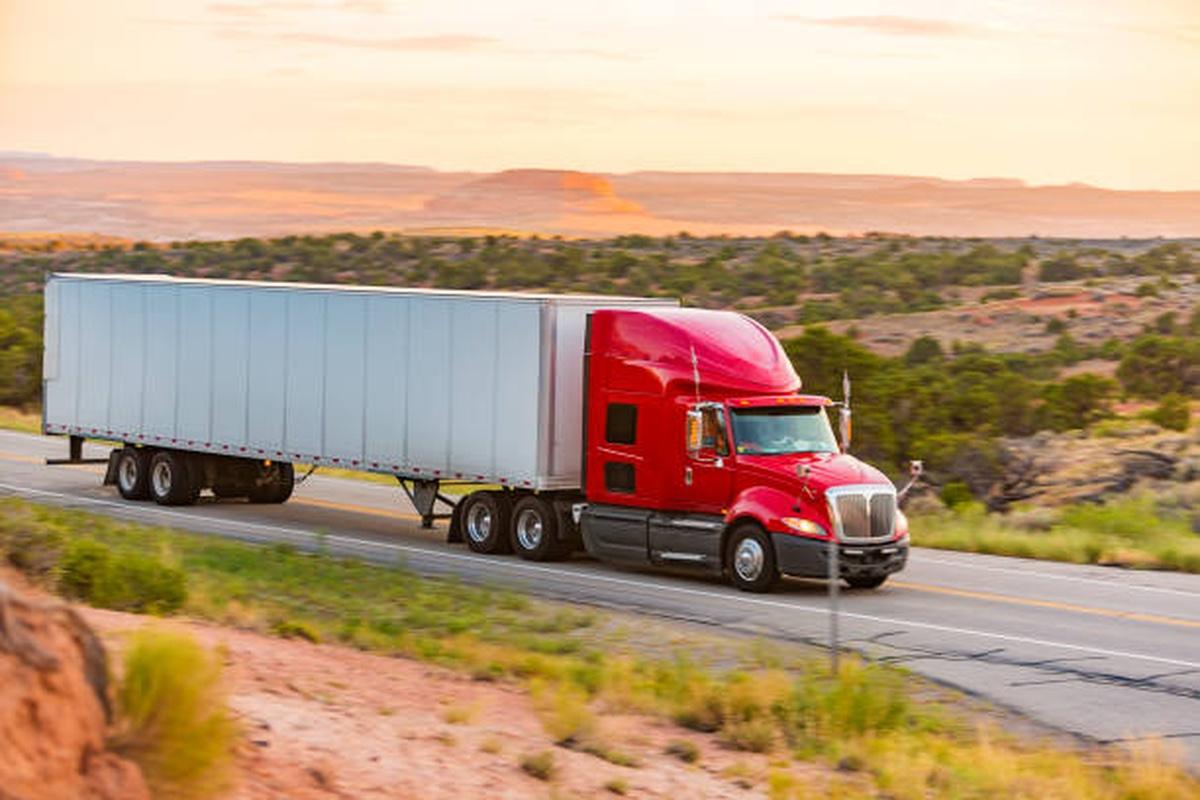
The Developer’s Guide to Staging and Construction Logistics
Effective construction logistics keeps Oahu building projects on schedule by aligning port container pickups, off-site staging, and timed jobsite deliveries so crews never wait on materials or overcrowd tight lots. When ocean freight arrives at the Port of Honolulu or Kalaeloa Barbers Point Harbor ahead of site readiness, unplanned storage fees, damaged supplies, and street congestion quickly eat into developer margins.
A structured construction logistics plan turns unpredictable maritime shipping into steady, predictable construction materials logistics. Whether you are managing a commercial build in Kaka’ako or residential development in West Oahu, disciplined on-site logistics management protects timelines, budgets, and neighborhood access.
In this guide, you will learn how to build a practical construction logistics workflow—from port drayage and off-site warehousing to specialized flatbed and forklift drops. Here is how to stage and move your materials without bottlenecks.
What Is Construction Logistics and Why Does Staging Matter on Oahu?
Construction logistics is the end-to-end coordination of transporting, storing, staging, and delivering building materials from port arrival to the exact point of installation on a jobsite. Rather than dumping bulk freight onto an active lot all at once, disciplined construction site logistics matches every delivery to the project's actual build sequence.
On Oahu, where virtually every structural beam, pallet of tile, and mechanical unit arrives by sea, port timing rarely aligns neatly with site readiness. Without daily container drayage backed by established interchange agreements with Matson, Pasha, and Young Brothers, containers sit idle at the pier accruing costly demurrage fees while crews wait on critical supplies.
A well-executed site logistics plan delivers measurable advantages for developers and property owners:
- Eliminates Jobsite Congestion: Staging bulk freight off-site keeps tight urban corridors in Honolulu and Kaka’ako clear for cranes, trades, and safe neighborhood traffic.
- Protects High-Value Materials: Storing sensitive finishes and equipment in secure short-term storage prevents weather exposure, theft, and double-handling damage.
- Keeps Subcontractors Productive: Timed, phase-by-phase drops ensure framing, electrical, and finish crews always have what they need on hand without tripping over next month's inventory.
A common mistake is treating construction logistics planning as a simple trucking task handled at the last minute. When you integrate port pull, staging, and final-mile construction logistics early, every phase moves smoothly from ship to site.
Step-by-Step Guide to Staging and Construction Logistics on Oahu
A dependable construction logistics workflow moves materials in controlled waves rather than overwhelming your jobsite all at once. Below is a practical, five-step sequence Oahu developers and general contractors use to synchronize maritime arrivals, Kapolei warehousing, and timed deliveries from foundation work through final punch-list installation.
1. Map Your Project Schedule to Ocean Carrier Arrivals
Before steel, lumber, or finish packages ever leave the mainland, align your build phases with vessel arrival windows at the Port of Honolulu and Kalaeloa Barbers Point Harbor. Identifying which materials are needed immediately versus weeks later prevents pier bottlenecks and keeps demurrage charges off your budget.
Partnering with an asset-based local carrier that offers daily container drayage through active interchange agreements with Matson, Pasha Hawaii, Aloha Marine Lines, NYK Lines, and Young Brothers ensures containers clear the port promptly as soon as vessels discharge.
2. Stage Bulk Freight Off-Site in a Secure Local Warehouse
Once containers leave the port, avoid routing full loads straight to a crowded jobsite that lacks laydown space. Instead, transfer incoming containers to an industrial staging facility—such as Preferred Transportation Services' Kapolei headquarters—where inventory is unloaded, inspected, and organized by build phase. Using break-bulk distribution alongside secure short- or long-term warehousing lets your team separate palletized fixtures, cabinetry, and hardware by floor or unit so nothing gets buried, rained on, or damaged before installation day.
3. Build a Realistic Construction Site Logistics Plan
Before scheduling final-mile runs, walk the site to document access constraints, overhead clearance, staging zones, and neighborhood traffic rules. A clear construction site logistics plan accounts for tight urban streets in Kaka’ako and Waikiki, coastal development roads in Ewa Beach, or strict security protocols on military installations like Schofield Barracks.
Confirming turn radii, gate hours, and unloading zones upfront eliminates wasted truck runs and keeps on-site logistics management predictable for your superintendents.
4. Match the Right Dedicated Fleet Equipment to Each Load
Different build phases call for specialized vehicles rather than a one-size-fits-all truck. Matching your cargo to the proper in-house equipment protects materials and speeds up unloading:
- Structural Steel, Lumber, and Pre-Cast Concrete: Oversized or heavy loads ride securely on flatbed and drop-deck trailers that allow quick side or crane offloading.
- Palletized Supplies Without a Loading Dock: Combining box trucks or flatbeds with mobile forklift delivery and lift-gate equipment places heavy pallets exactly where crews need them.
- Weather-Sensitive Finishes and Appliances: Dry box trucks shield cabinetry, flooring, and electrical gear from salt air and sudden Oahu showers during transit.
5. Execute Timed Just-in-Time Drops and Final Placement
With materials staged locally in Kapolei and matched to the right trucks, your superintendent can call off specific loads 24 to 48 hours ahead of installation. Instead of triple-handling freight across a cramped lot, drivers deliver each phase directly to the active work zone—including coordinated inside pick-up and delivery when interior fixtures need careful placement beyond the curb.
This disciplined approach to construction logistics management keeps trades working continuously while preserving clean, safe site access. By treating port drayage, off-site staging, and specialized fleet dispatch as one connected system, your construction logistics stay resilient against shipping delays and tight site footprints from groundbreaking to handover.
Real-World Examples of Construction Logistics in Action on Oahu
Seeing how local developers coordinate port pulls, staging, and timed drops makes it easier to apply these principles to your own build. Here are three practical ways construction logistics solves everyday jobsite challenges across Oahu:
- High-Rise Interior Fit-Out in Kaka’ako: A commercial builder renovating multiple condo floors faced strict street-staging limits and zero on-site storage for 18 containers of cabinetry and tile.
By staging freight in Kapolei and scheduling timed box-truck runs with inside pick-up and delivery per floor, crews installed materials immediately without blocking urban traffic or damaging finishes.
- Multi-Home Residential Build in Ewa Beach: A residential developer needed heavy framing lumber and roof trusses delivered to lots lacking loading docks. Using dedicated flatbed trucks paired with mobile forklift delivery, drivers placed palletized bundles directly beside each foundation, cutting crew unloading time in half and keeping construction materials logistics on schedule.
- Base Infrastructure Upgrade at Schofield Barracks: A contractor upgrading facility utilities needed strict gate clearance and phased equipment drops, relying on coordinated construction site logistics services to clear security checkpoints and deliver heavy components on time without work stoppages.
These scenarios show that structured construction logistics prevents bottlenecks and keeps crews productive on any Oahu site.
Pro Tips for Optimizing Your Construction Logistics Plan
Knowing the steps is one thing, but executing construction logistics smoothly on Oahu requires proactive discipline when ocean schedules shift or jobsite footprints tighten. Apply these four field-tested habits to strengthen your construction logistics planning and keep materials moving without costly surprises:
- Buffer Long-Lead Items Off-Site Early: Mainland shipping delays and port congestion can stall an entire build if critical mechanical or finish packages arrive late. Moving high-priority shipments into long-term storage in Kapolei gives you a secure local inventory buffer so trades stay on schedule regardless of ocean transit hiccups.
- Confirm Unloading Gear Before Dispatch: Never assume a jobsite has an available crane or loading dock ready when a truck pulls up. Specifying mobile forklift delivery or lift-gate service during dispatch prevents wasted trips and keeps on-site logistics management safe on tight residential or commercial lots.
- Lock In Delivery Windows Around Oahu Traffic: Morning and afternoon bottlenecks along the H-1 corridor can delay oversized loads and idle whole crews. Scheduling early-morning flatbeds and box trucks beats peak commuter traffic and keeps site gates moving smoothly.
- Work With an Asset-Based Local Fleet: Relying on brokers adds middlemen and communication gaps; partnering with a dedicated Kapolei fleet gives you direct dispatch accountability.
Putting these practices into your site logistics plan keeps your construction logistics resilient, predictable, and under budget from start to finish.
Streamline Your Next Oahu Build With Reliable Construction Logistics
Disciplined construction logistics turns unpredictable maritime arrivals into steady, phase-by-phase jobsite deliveries that protect your schedule, budget, and crew productivity. You now have a practical roadmap for aligning vessel arrivals, staging inventory off-site, and matching each load to specialized equipment under a clear construction logistics plan.
Locking in your construction site logistics early eliminates costly pier demurrage, prevents material damage, and keeps tight Oahu jobsites safe and organized before ground is ever broken. Based in Kapolei, Preferred Transportation Services combines direct port interchange agreements, secure local warehousing, and a dedicated in-house fleet of flatbeds, box trucks, and mobile forklifts to keep your construction materials logistics moving without middlemen.
Ready to build a dependable construction logistics workflow for your upcoming Oahu project? Call our Kapolei dispatch team at (808) 509-8160 or schedule your daily container drayage and staging support today.
Frequently Asked Questions About Construction Logistics on Oahu
How early should developers start construction logistics planning for an Oahu project?
Developers should begin construction logistics planning at least 60 to 90 days before mainland materials ship. Early coordination aligns ocean carrier schedules at the Port of Honolulu and Kalaeloa Barbers Point Harbor with off-site Kapolei warehousing and jobsite readiness. Building a construction logistics plan ahead of vessel discharge prevents pier demurrage fees, secures specialized equipment, and ensures trades never stall waiting on delayed supplies.
What equipment is needed for jobsites without a loading dock or crane?
Jobsites without permanent loading docks or on-site cranes rely on dedicated flatbed trucks, lift-gate box trucks, and mobile forklift delivery to unload heavy freight safely. Bringing mobile unloading equipment directly with the delivery vehicle lets drivers place palletized lumber, tile, or mechanical units beside active work zones—eliminating double-handling and keeping on-site logistics management efficient on tight urban or residential lots.
Can construction materials be staged off-site before a jobsite is ready?
Yes, off-site warehousing is one of the smartest ways to streamline construction logistics when containers arrive ahead of your build schedule. Storing bulk materials in a secure Kapolei facility protects sensitive finishes from salt air, rain, and site congestion while allowing phased, just-in-time deliveries as each floor or section opens for installation.
How do high-security or military base deliveries affect construction site logistics?
Delivering to military installations like Schofield Barracks requires advance driver vetting, strict gate scheduling, and complete manifest compliance under your construction site logistics plan. Working with an Oahu-based fleet experienced in high-security protocols ensures shipments clear checkpoints smoothly without turnaround delays or costly crew downtime.
About the Author
Ryan Malaluan, CAPM®, is an SEO & Content Strategist with over 8 years of experience in SEO, content strategy, and digital marketing. He holds a Bachelor of Arts in Literature and is a Certified Associate in Project Management (CAPM®). Throughout his career, Ryan has worked with brands including Spacer, Airtasker, Marlee (formerly Fingerprint for Success), VEED.IO, and ROSEMET LLC, as well as several digital marketing agencies, helping businesses strengthen their organic visibility through strategic, results-focused SEO and content.