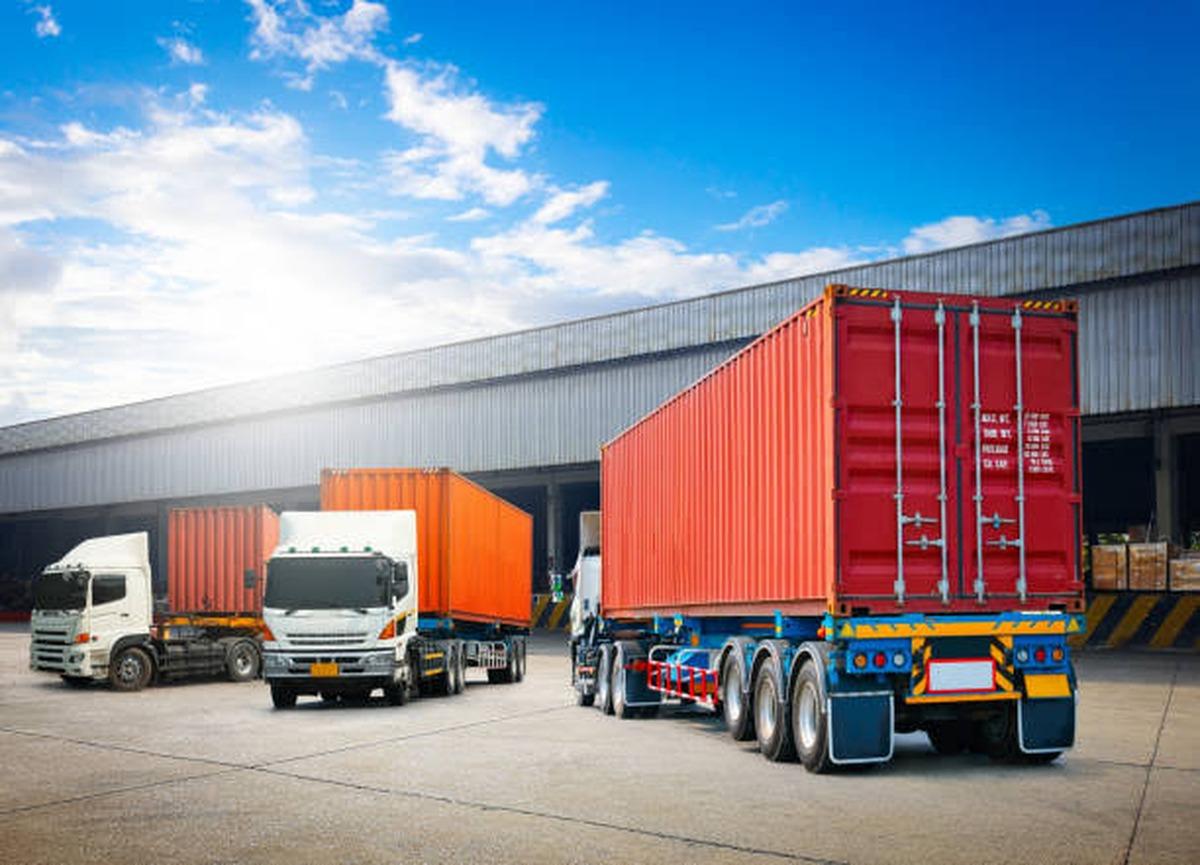
Drayage Efficiency: Optimizing Your Port-to-Warehouse Container Drayage
Optimizing your port-to-warehouse container drayage requires establishing direct port interchange agreements, deploying a dedicated local fleet, and synchronizing pier pickups with warehouse receiving schedules. Streamlining this short-distance transit prevents expensive harbor demurrage fees and keeps island supply chains moving without interruption.
For Oahu business owners, retailers, and distributors, delays at the harbor lead to stockouts, inflated demurrage charges, and strained relationships with customers waiting on critical inventory. Working with an experienced local carrier providing reliable drayage service ensures cargo transitions smoothly from ocean piers to local storage facilities.
In this guide, you will learn how professional port drayage eliminates harbor bottlenecks, cuts hidden shipping costs, and protects your inventory flow. Let's look at how optimizing your container drayage strategy drives total supply chain efficiency.
What Is Container Drayage and Why It Matters for Island Businesses
In logistics, container drayage is the specialized, short-distance transport of ocean shipping containers between port terminals, intermodal rail yards, and local warehouses. It serves as the vital link connecting ocean freight vessels with terrestrial supply chains, taking full shipping containers directly off arriving ships and transferring them to their next destination.
For Hawaii business owners, commercial developers, and distributors, efficient port-to-door transport is essential for maintaining smooth business operations. Harbor congestion, container holds, or missed pickup windows can trigger costly demurrage fees, disrupt project timelines, and leave retail shelves empty.
Partnering with a dedicated local provider for daily container drayage ensures that your cargo moves off the docks immediately upon arrival. Having established carrier interchange agreements and access to secure short-term storage options gives businesses the flexibility needed to navigate unpredictable shipping schedules and harbor delays.
Optimizing your drayage transportation delivers clear, measurable advantages:
- Demurrage and Storage Cost Control: Prompt container retrieval prevents expensive daily storage penalties assessed by ocean carriers and port terminals.
- Streamlined Inventory Movement: Moving goods quickly from pier to warehouse keeps inventory flowing and prevents stockouts.
- Predictable Delivery Timelines: Dedicated local drivers and specialized chassis equipment guarantee reliable pickup and drop-off schedules.
A common misconception is treating drayage logistics as a simple trucking errand. In reality, navigating port terminal gates, managing chassis availability, and coordinating carrier interchange agreements require a specialized, asset-backed freight partner that understands the specific demands of island transport.
Core Strategies for Optimizing Port-to-Warehouse Container Drayage
Achieving maximum efficiency in container drayage requires proactive coordination, specialized equipment management, and seamless integration between harbor terminals and local receiving warehouses.
By optimizing each phase of the port-to-warehouse transit, island businesses can eliminate costly harbor delays, reduce detention fees, and maintain steady inventory flow.
1. Leverage Strategic Port Interchange Agreements
The first critical step in streamlining drayage operations is partnering with a logistics provider that holds established interchange agreements with major ocean carriers like Matson, Pasha Hawaii, and Young Brothers.
- Streamlined Port Access: Active interchange authorization grants drivers immediate access to harbor terminals, allowing them to pull containers as soon as vessels complete offloading.
- Frictionless Equipment Exchanges: Established agreements ensure smooth chassis hand-offs and container returns, eliminating administrative holds at harbor gates. Coordinating port movement with a professional provider offering daily container drayage prevents ocean containers from sitting idle on dock space.
2. Synchronize Harbor Pickups with Warehouse Staging
Uncoordinated pier pickups often result in bottlenecked receiving docks, idle drivers, and unnecessary demurrage penalties assessed by port authorities.
- Pre-Clearing Terminal Appointments: Aligning port gate appointments with warehouse labor schedules ensures that trucks clear the pier and arrive at the facility during active receiving windows.
- Staged Unloading Plans: Establish a clear receiving strategy before the container arrives—whether that involves direct dock unloading, cross-docking, or temporary staging.
- Buffer Storage Solutions: When receiving docks are at full capacity, utilizing local short-term storage provides a secure buffer, allowing containers to be drayed off the pier immediately without overwhelming facility staff.
3. Deploy Specialized Fleet Equipment for Efficient Unloading
Not every drayage shipment can be handled with a standard container chassis, especially when delivering to sites without dedicated loading docks or commercial bays.
- Right-Sizing the Transport: Matching freight requirements with the appropriate hauling setup ensures safe transit across Oahu’s roadways. Heavy construction cargo or irregular machinery often requires specialized flatbeds or drop-deck trailers.
- Ground-Level Offloading Assistance: Facilities lacking standard dock height benefit from specialized unloading equipment, such as forklift delivery services, to safely unload heavy pallets directly from the container at ground level.
4. Implement Proactive Chassis Management and Return Protocols
Container chassis availability is a frequent bottleneck in drayage trucking, leading to costly equipment rental surcharges when returns are delayed.
- Dedicated Chassis Pools: Partnering with an asset-heavy carrier that maintains its own chassis inventory ensures truck availability during peak shipping surges.
- Rapid Empty Container Returns: Establishing systematic container strip-and-return routines ensures empty ocean containers are returned to port terminals well before free-time allowances expire.
5. Utilize End-to-End Tracking and Communication
Maintaining continuous visibility over container status prevents unexpected delays and ensures all stakeholders remain informed throughout transit.
- Real-Time Status Monitoring: Tracking container movement from vessel discharge through gate-out, transit, and final warehouse arrival allows for quick adjustments if traffic or harbor delays arise.
- Proactive Dispatching: Direct communication between dispatchers, drayage drivers, and warehouse managers eliminates guesswork, ensuring receiving teams are ready the moment the truck arrives.
By applying these structured operational practices to your container drayage pipeline, you build a resilient, cost-effective island supply chain that protects cargo integrity and keeps your business running on schedule.
Real-World Scenarios: How Efficient Container Drayage Powers Oahu Businesses
Seeing how professional harbor transport operates in everyday island conditions illustrates the real-world value of a streamlined supply chain. These practical examples show how tailored transport strategies resolve common freight challenges for Oahu commercial operators and retailers.
- Preventing Demurrage Fees for Local Retailers: A national retail distributor needed to clear six ocean containers from Honolulu harbor during a high-volume holiday shipping window before incurring daily dock storage penalties.
By partnering with an asset-backed carrier offering dedicated drayage shipping, the distributor arranged immediate pier pickups as soon as the vessel unloaded. Utilizing specialized break-bulk distribution services at the receiving warehouse, the inventory was unpalled and staged for store delivery within 24 hours, completely eliminating demurrage surcharges.
- Managing Construction Site Deliveries: A commercial developer importing heavy structural materials required precise delivery to a congested job site in Honolulu with no dock access.
The developer coordinated with an experienced provider of drayage freight to haul the container directly from the pier and offload materials using mobile forklifts. The coordinated delivery prevented traffic blockages, kept site workers safe, and kept the building schedule strictly on time.
- Temperature-Controlled Food Distribution: A food service importer needed immediate harbor clearance for perishable container loads. Deploying specialized reefer drayage equipment ensured uninterrupted power to the cold units from dock to warehouse, preserving total cargo freshness.
These everyday examples demonstrate how structured container drayage protects your cargo and bottom line, giving local businesses the reliability needed to thrive on Oahu.
Expert Tips for Enhancing Your Container Drayage Operations
Applying practical, field-tested best practices transforms raw transport strategy into a seamless island supply chain. Taking these concrete operational steps ensures your harbor freight moves efficiently while shielding your business from unnecessary costs.
- Pre-Clear Ocean Freight Documentation: Submit all bill of lading paperwork and customs releases prior to vessel discharge at Honolulu harbor. Early documentation processing enables your carrier to initiate drayage operations the moment the container touches the dock, eliminating administrative gate holds and avoiding daily terminal storage penalties.
- Audit Carrier Interchange Agreements: Verify that your logistics provider maintains current, active interchange agreements with major ocean lines like Matson and Pasha Hawaii. Established carrier relationships grant your driver immediate pier access, ensuring smooth container pickups without gate refusals or equipment delays.
- Optimize Final-Mile Unloading Logistics: Evaluate receiving facility capabilities before the container leaves the harbor. If your facility lacks a dedicated loading dock, schedule specialized lift-gate delivery or mobile forklift assistance in advance to guarantee fast, safe ground-level offloading and rapid chassis turnarounds.
- Track Free-Time Limits Proactively: Monitor ocean carrier free-time allowances closely to schedule empty container returns well before detention fees begin accruing. Experienced drayage trucking specialists maintain tight return schedules to protect your bottom line from unexpected equipment surcharges.
Implementing these proven strategies optimizes every stage of your container drayage, protecting cargo integrity and driving predictable, cost-effective freight movement across Oahu.
Streamlining Your Supply Chain with Professional Container Drayage
Optimizing your port-to-warehouse transport is essential for eliminating costly harbor demurrage penalties and keeping your island operations running on schedule. By securing direct carrier interchange agreements, utilizing specialized local fleet assets, and synchronizing pier pickups with warehouse receiving schedules, businesses can take full control of their harbor freight movement.
Understanding how to manage chassis pools, pre-clear ocean documentation, and leverage specialized unloading equipment allows you to build a resilient, highly efficient supply chain across Oahu.
Taking proactive control of your harbor transport today protects your profit margins, prevents stockouts, and ensures seamless cargo delivery during peak shipping cycles. Establishing a reliable port-to-door strategy gives your organization total operational confidence and a distinct competitive edge in the local market.
When your business demands precision, reliability, and local expertise at the harbor terminals, partner with Kapolei's premier asset-based transport specialist. Schedule your port transport or request a custom freight estimate by connecting with Preferred Transportation Services to optimize your container drayage operations today.
Frequently Asked Questions About Oahu Container Drayage
How can local businesses prevent demurrage fees at Honolulu Harbor?
Local businesses prevent demurrage fees by scheduling prompt pier pickups as soon as ocean vessels complete offloading. Working with a carrier that holds active interchange agreements with lines like Matson and Pasha ensures immediate terminal access. Pre-clearing bill of lading documentation and utilizing proactive container drayage services eliminates administrative gate holds and keeps ocean freight moving before costly daily storage penalties begin accruing.
What is the difference between local cartage and container drayage?
The primary difference lies in the equipment and journey segment. Port drayage refers specifically to short-haul transport of intact ocean shipping containers between harbor piers, rail terminals, and local warehouses using specialized chassis. In contrast, local cartage involves moving unpacked, loose, or palletized cargo between local facilities using dry box trucks or flatbeds. Both services work together to complete island-wide distribution.
How do carriers handle container deliveries at sites without a loading dock?
Carriers handle deliveries at sites without loading docks by deploying specialized offloading equipment directly to the job site or facility. For heavy or palletized freight, utilizing mobile forklifts or specialized flatbed trucks enables safe ground-level unloading. Establishing these specialized requirements with your transport provider in advance ensures efficient chassis turnarounds and prevents costly delivery delays.
Why is chassis availability so critical for drayage shipping on Oahu?
Chassis availability is critical because ocean containers cannot move off terminal grounds without an approved, road-ready chassis frame. During peak shipping surges, island-wide chassis shortages can stall harbor transport and trigger expensive dock demurrage charges. Partnering with an asset-heavy provider offering dedicated drayage service guarantees equipment availability, keeping your container movements predictable and on schedule.
About the Author
Ryan Malaluan, CAPM®, is an SEO & Content Strategist with over 8 years of experience in SEO, content strategy, and digital marketing. He holds a Bachelor of Arts in Literature and is a Certified Associate in Project Management (CAPM®). Throughout his career, Ryan has worked with brands including Spacer, Airtasker, Marlee (formerly Fingerprint for Success), VEED.IO, and ROSEMET LLC, as well as several digital marketing agencies, helping businesses strengthen their organic visibility through strategic, results-focused SEO and content.