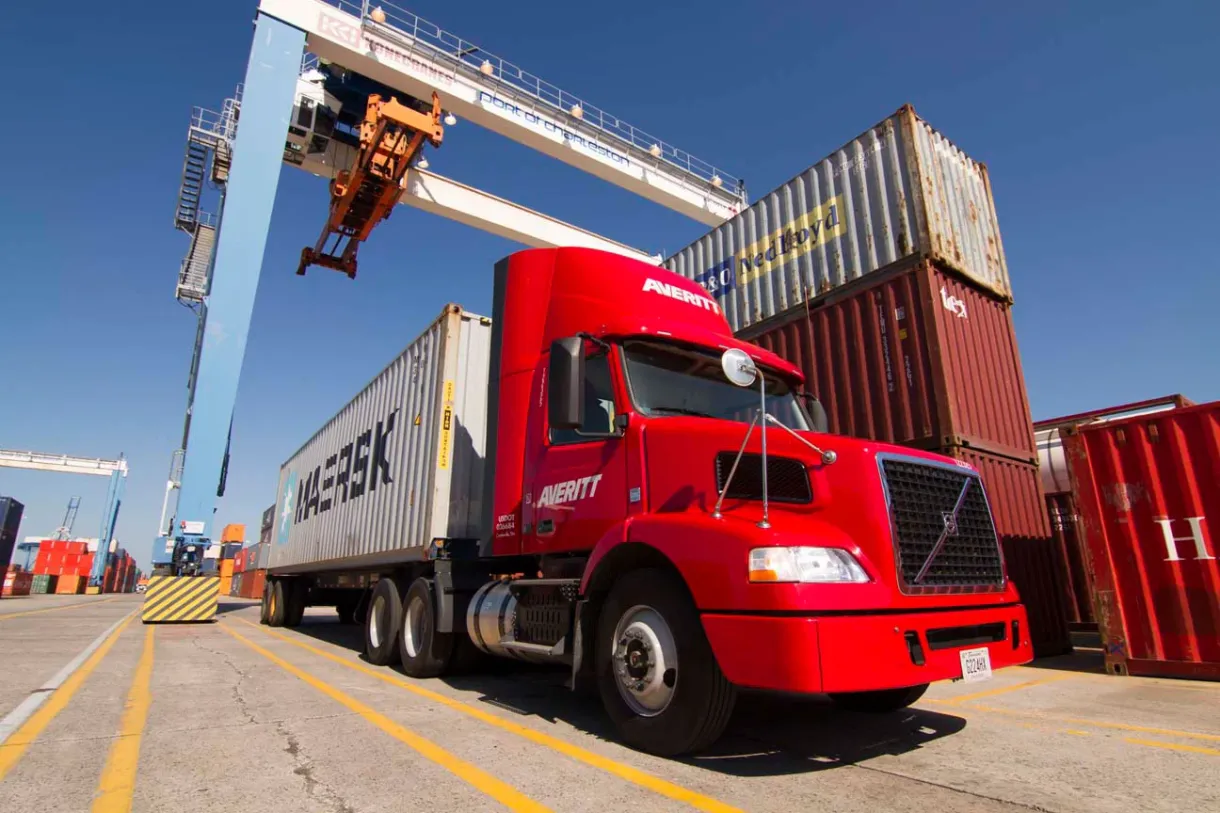
Expanding Reach: Coordinating Freight Forwarding with Aloha Marine Lines
Coordinating ocean barge transit with local ground transport requires seamless freight forwarding to prevent costly port delays, demurrage penalties, and project halts. Moving goods to Hawaii involves complex ocean logistics, and without a reliable local partner to manage container drayage and final delivery, island shipments can easily stall at Honolulu docks.
Understanding how freight forwarding services integrate ocean carrier arrivals with local truck dispatch ensures your commercial goods, construction materials, or retail inventory reach their final destinations on schedule. Working with a knowledgeable freight forwarder who maintains established port interchange agreements eliminates handoff friction between maritime shipping lines and local roads.
In this guide, you will learn how synchronizing freight forwarding operations with major carriers like Aloha Marine Lines optimizes island distribution, lowers supply chain risks, and keeps your Oahu business running efficiently. Read on to discover how expert local coordination simplifies complex island logistics.
Understanding the Mechanics of Modern Freight Forwarding
At its core, professional freight forwarding is the comprehensive coordination and management of cargo moving from mainland origins through maritime ports to local destinations.
For readers exploring what is freight forwarding, the process involves orchestrating complex multi-modal transport, documentation, port interchange, and local delivery so shipments move without friction. Utilizing specialized freight forwarding services ensures that every logistical handoff is managed with precision from origin to island arrival.
For commercial developers, retailers, and national logistics partners across Oahu, mastering this coordination is vital. When barge shipments arrive from carriers like Aloha Marine Lines, a trusted freight forwarder ensures containers do not sit stranded at Honolulu terminals accumulating expensive demurrage charges.
Instead, executing prompt daily container drayage bridges the gap between ocean arrivals and land transport, protecting project schedules and controlling operational costs.
Key benefits of expert logistics coordination include:
- Elimination of Port Bottlenecks: Rapid clearing of marine terminals prevents cargo backlogs.
- Seamless Multi-Modal Handoffs: Smooth transition from barge transit to local break-bulk distribution centers.
- Optimized Routing: Structured freight forwarding workflows ensure efficient island-wide transport.
A common misconception is that booking ocean freight automatically covers local island delivery. In reality, maritime carriers drop containers at the port terminal, leaving local distribution entirely up to specialized land transport teams. Recognizing this division is essential for preventing unexpected supply chain disruptions.
Orchestrating Ocean Barge Arrivals and Local Island Distribution
Coordinating ocean barge transit with local island distribution requires an experienced freight forwarding approach that connects marine operations directly with specialized ground transport. By synchronizing port arrivals with dedicated trucking assets, businesses ensure their cargo moves smoothly from port terminals to job sites, commercial facilities, or military bases across Oahu.
Executing seamless freight forwarding services involves aligning sea freight schedules with specialized local transport equipment. Operating with established interchange agreements at Oahu’s major harbors allows logistics teams to pull containers quickly, execute specialized unloading, and deploy appropriate transport options like flatbed trucks for heavy or oversized loads.
Key Steps in Ocean-to-Ground Freight Coordination
To maintain total supply chain efficiency when shipping with carriers like Aloha Marine Lines, local logistics operations follow a structured, multi-step workflow:
- Pre-Arrival Documentation & Port Clearance: Before a barge docks in Honolulu, logistics teams process manifest details and verify interchange compliance. Completing port paperwork ahead of time ensures immediate container release as soon as the vessel completes offloading.
- Container Drayage & Terminal Extraction: Upon arrival, local drivers execute prompt drayage to pull containers out of harbor terminals. Moving containers quickly prevents port congestion and avoids costly detention fees charged by ocean carriers.
- De-Vanning & Freight Staging: Once extracted from the pier, containers are transported to a local facility for breakdown, sorting, and inspection. For cargo requiring specialized unloading, utilizing dedicated forklift delivery equipment ensures heavy pallets and structural materials are safely handled.
- Final-Mile Dispatch: Cargo is loaded onto appropriate fleet vehicles—such as dry or refrigerated box trucks, flatbeds, or drop-deck trailers—and dispatched to its final destination with precise route timing.
Managing Specialized Cargo for Island Industries
Different commercial sectors present unique logistical challenges that require specific transport solutions:
- Construction & Industrial Freight: Heavy machinery, pre-cast concrete, and bulk lumber arriving on open flat-racks or barges require specialized drop-deck trailers and experienced heavy-haul drivers.
- Retail & Commercial Goods: High-volume consumer products arriving in dry containers are sorted for broken-bulk distribution before being routed to retail stores across Honolulu and Leeward Oahu.
- Perishable & Temperature-Sensitive Goods: Food and beverage shipments require immediate transfer from refrigerated ocean containers to climate-controlled box trucks to maintain strict cold-chain compliance.
Leveraging Local Expertise for End-to-End Success
Understanding how does freight forwarding work on an island level highlights the value of having "boots on the ground" in Kapolei. National carriers and mainland shippers rely heavily on local logistics specialists who understand Oahu's traffic patterns, harbor regulations, and high-security delivery requirements.
Partnering with an asset-based local team ensures that every link in the freight forwarding chain—from the dock edge to the final unloading site—is executed with single-point accountability, protecting your timelines and operational investments
Real-World Applications of Island Freight Forwarding
Bridging maritime carrier transit with local island delivery requires practical coordination tailored to specific commercial operations across Oahu. Here is how different island industries apply integrated freight forwarding workflows to solve real-world logistical challenges:
- Commercial Construction Staging: A Honolulu building developer faced severe delays due to ocean barge arrival fluctuations for structural steel. By coordinating with a dedicated freight forwarder, cargo was immediately pulled upon port clearance, de-vanned, and transported using specialized flatbed drop-deck trailers directly to the active site. This prevented jobsite downtime, eliminated port storage fees, and kept the multi-million dollar project on schedule.
- Retail Inventory Replenishment: A national retail chain shipping high-volume dry goods via Aloha Marine Lines needed seamless final-mile store distribution without overcrowding local retail loading bays. Establishing a synchronized freight forwarding business strategy allowed incoming ocean containers to be routed to a Kapolei facility for break-bulk distribution.
Store deliveries were dispatched in right-sized box trucks during off-peak hours, ensuring full inventory availability while avoiding urban traffic bottlenecks.
- High-Security Military Base Logistics: A government contractor delivering specialized equipment to Pearl Harbor required strict compliance with security protocols and precise delivery windows. Working with a local partner skilled in freight forwarding and logistics ensured that port drayage, credentialed driver clearance, and site delivery were handled in one continuous workflow. The shipment arrived safely without security holds or operational disruptions.
These real-world scenarios demonstrate how tailored freight forwarding solutions resolve complex island shipping challenges, ensuring dependable outcomes for every project on Oahu.
Strategic Best Practices for Island Freight Forwarding
Applying experienced-based logistics strategies transforms basic ocean shipping into a reliable, streamlined supply chain across Oahu. Here are essential best practices for optimizing your freight forwarding operations and protecting your delivery schedules:
- Pre-Clear Port Documentation: Coordinate all manifest paperwork and clearance documentation prior to vessel arrival at Honolulu harbors. Verifying compliance beforehand allows your local freight forwarding company to extract containers immediately, avoiding harbor bottlenecks and preventing costly port demurrage penalties.
- Align Equipment to Cargo Specifications: Ensure your ground logistics partner possesses a versatile fleet capable of handling your specific cargo footprint. Oversized construction supplies or heavy machinery require dedicated trailers, while commercial goods bound for urban stores benefit from specialized inside pick-up and delivery capabilities to navigate tight loading bays seamlessly.
- Partner with an Asset-Based Local Provider: Work directly with an Oahu-based company that owns its fleet and maintains established port interchange agreements with carriers like Aloha Marine Lines. Bypassing third-party brokers ensures a single point of accountability, better real-time communication, and reliable "boots-on-the-ground" execution.
- Establish Local Staging Buffers: Utilize short-term warehousing in Kapolei to buffer against maritime transit disruptions or jobsite delays. Staging freight off-site ensures materials remain secure and accessible for immediate, phased dispatch whenever your project demands it.
Implementing these proven freight forwarding practices minimizes supply chain friction, lowers operational risks, and ensures your shipments move safely across the island without delay.
Streamlining Island Logistics with Expert Freight Forwarding
Mastering the handoff between ocean barge carriers and local ground transport is essential for maintaining an efficient supply chain on Oahu. By understanding what does a freight forwarder do, island businesses can seamlessly integrate ocean arrivals with local trucking assets to prevent costly port demurrage and project delays.
Coordinating ocean transit with established local infrastructure ensures every shipment—from heavy construction equipment to commercial retail goods—moves securely from dock to final destination.
Eliminating supply chain bottlenecks protects your operational timeline and keeps your business moving forward. Partnering with a trusted, asset-based local carrier provides the "boots-on-the-ground" expertise and fleet versatility required to navigate Oahu's unique logistics landscape with total confidence.
To optimize your island supply chain and secure seamless port-to-door delivery, partner with Preferred Transportation Services for reliable, end-to-end freight forwarding solutions tailored to your operational needs.
Frequently Asked Questions About Freight Forwarding in Hawaii
How does freight forwarding work with ocean carriers like Aloha Marine Lines?
Professional freight forwarding bridges maritime transit and local island delivery by coordinating harbor extraction, container drayage, and final-mile transport. When barges arrive at Honolulu terminals, a local team manages port documentation, pulls containers from the pier, and transports cargo to its destination. This seamless handoff eliminates supply chain disruptions and prevents expensive port storage fees for businesses shipping to Oahu.
What does a freight forwarder do once cargo reaches Honolulu docks?
A local logistics provider manages port clearance, container extraction, and local dispatch to ensure smooth delivery. Upon arrival, the team handles container breakdown, sorts cargo, and deploys specialized vehicles—such as flatbeds or box trucks—based on cargo requirements. Utilizing services like short-term storage in Kapolei allows cargo to be safely staged before final jobsite delivery.
Can a freight forwarding company manage oversized construction cargo?
Yes, a specialized freight forwarding company utilizes heavy-haul equipment like flatbeds and drop-deck trailers to transport oversized materials across Oahu. Whether moving structural steel, pre-cast concrete, or heavy industrial machinery, dedicated drivers oversee specialized loading, secure transport, and site unloading to ensure full safety compliance from the port to active commercial jobsites.
What is a freight forwarder's role in avoiding port demurrage fees?
A local team acts quickly to extract ocean containers from harbor terminals before carrier penalty windows begin. By coordinating pre-arrival paperwork and deploying drayage trucks as soon as barges unload, cargo is moved off the pier immediately. Bypassing terminal delays protects island businesses from costly daily detention charges while keeping cargo moving steadily toward its final destination.