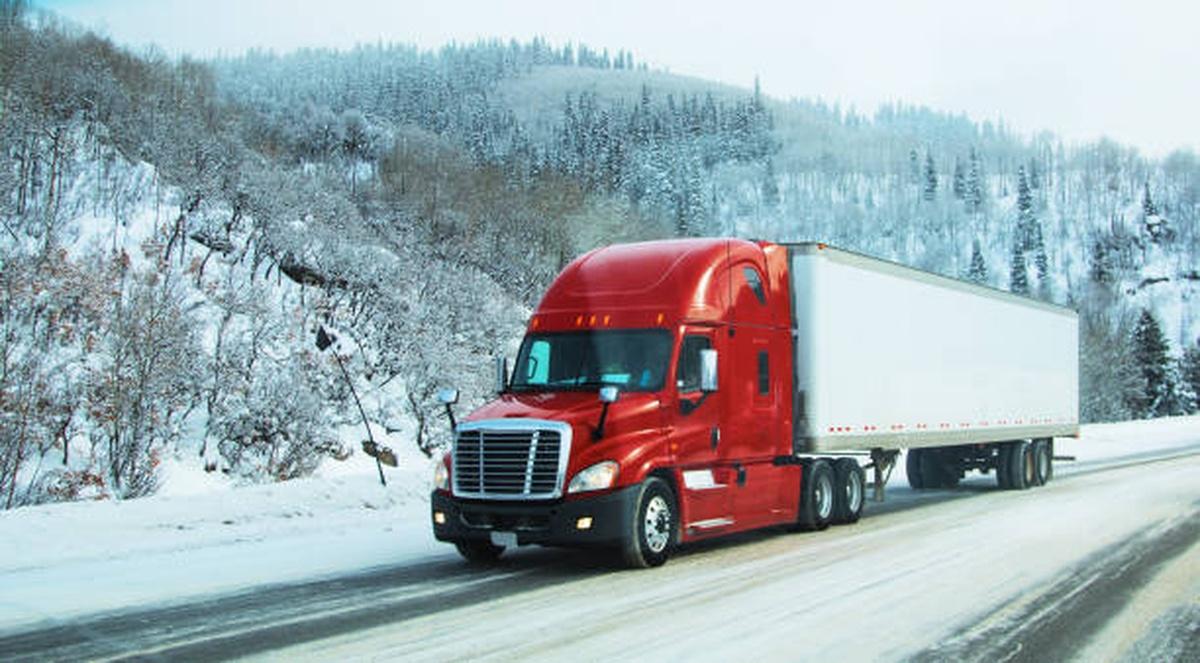
Future-Proofing for 2027: Emerging Trends in the Logistics Industry
Future-proofing commercial supply chains heading into 2027 requires adopting localized fleet resilience, real-time port drayage tracking, and hybrid warehousing to navigate persistent global transit shocks. Navigating modern logistics management effectively relies on bridging regional asset control with high-efficiency island delivery systems.
For Hawaii business owners, commercial developers, and local retailers, supply chain disruptions mean much more than delayed tracking numbers—they threaten project deadlines, empty store shelves, and trigger soaring operational overhead.
Understanding the broader logistics meaning in business reveals how isolated island supply chains face compounding risks when maritime congestion or equipment shortages stall cargo at the port.
By reading this guide, you will gain actionable insight into upcoming logistics operations trends, learn how to evaluate asset-backed transportation partners, and discover how to protect your island business against future shipping volatility. Here is how modern logistics in business is evolving to keep commercial supply chains resilient.
Modern Logistics Industry Foundations and Modern Operations
The logistics industry encompasses the systemic planning, execution, and control of moving goods, materials, and services from their point of origin to their final destination.
At its core, modern logistics management integrates transportation, warehousing, inventory staging, and localized drayage into a cohesive operational network. Rather than treating shipping as a series of isolated transactions, successful business logistics aligns physical fleet infrastructure with real-time tracking technology to guarantee supply chain continuity.
Understanding how the logistics industry functions is vital for commercial enterprises operating in isolated or high-cost island markets. Unexpected transit bottlenecks, harbor congestion, or vehicle shortages directly translate to missed project deadlines, empty store shelves, and inflated labor costs.
Partnering with an asset-backed transportation provider gives local businesses an immediate operational advantage. By securing local drayage and dedicated staging, companies can safeguard their cargo flow against broader global trade volatility.
Modern freight management delivers clear operational advantages:
- Predictable Delivery Timelines: Establishes fixed schedules from port arrival to final destination deployment.
- Dedicated Fleet Allocation: Matches cargo demands with specialized equipment like dry & refrigerated box trucks for delicate or perishable freight.
- Risk Mitigation: Provides a secure staging buffer to absorb unexpected harbor or highway transit delays.
A common operational pitfall is confusing third-party freight brokering with true asset-based transport management. While brokers outsource shipments to variable subcontractors, asset owners maintain direct control over vehicles, drivers, and staging yards, providing single-point accountability for every load.
Key Trends Shaping the Logistics Industry for 2027
To maintain a competitive edge, forward-thinking enterprises are actively reshaping their supply chain strategy to handle modern volatility. Understanding how the logistics industry is evolving allows commercial buyers and operations managers to implement proactive solutions before market shifts cause operational bottlenecks.
Here are the key structural trends driving transformation in the logistics business and how companies can adapt their local transportation model for maximum resilience.
1. Shift Toward Asset-Heavy Fleet Reliability
For years, many organizations relied heavily on non-asset freight brokers to manage cargo movement. However, recent global and regional supply chain shocks revealed the vulnerability of this approach: when market capacity tightens, broker subcontracts fail to guarantee truck availability or driver commitments.
- What It Is: A strategic pivot back toward direct partnerships with asset-backed carriers that physically own their trucks, trailers, and staging facilities.
- Why It Matters: Owning the fleet eliminates middleman markup and ensures single-point accountability for every shipment.
- How It Helps You: Partnering directly with an asset-heavy transportation provider guarantees dedicated equipment availability during peak seasons and eliminates last-minute cancellation risks.
Working with an established partner specializing in daily container drayage gives island businesses direct control over harbor pickups without relying on third-party subcontracts.
2. Strategic Port Staging and Micro-Warehousing
Long-distance, single-leg deliveries are increasingly giving way to localized staging models. Rather than hauling freight long distances immediately upon arrival, commercial operators are establishing staging buffers near primary harbor terminals and industrial parks.
- What It Is: Moving incoming ocean containers directly to a nearby regional hub for short-term buffering, cross-docking, and phased dispatch.
- Why It Matters: Harbor terminals enforce strict demurrage rules and storage fees. Rapid container removal protects shipments from costly dockside holding charges.
- How It Helps You: Utilizing local staging yards in industrial hubs like Kapolei allows construction sites and retail stores to receive cargo on demand rather than cluttering active work areas.
Leveraging flexible short-term storage solutions provides a reliable physical buffer against shipping schedule shifts, keeping commercial projects moving on time.
3. Hyper-Localized Last-Mile Execution
Final-mile delivery remains the most complex and cost-intensive link in the entire supply chain. As urban congestion increases and receiving dock parameters become more restrictive, generic delivery models are failing to meet customer expectations.
- What It Is: Customizing final-mile transportation using specialized equipment tailored to specific destination constraints—such as high-security access, residential receiving, or dockless sites.
- Why It Matters: Delivering heavy or oversized materials to locations without loading docks or strict security clearance often leads to gate turn-aways and rejected shipments.
- How It Helps You: Deploying right-sized vehicles equipped with lift-gates or mobile forklifts ensures smooth offloading on the first attempt, regardless of site limitations.
Utilizing specialized inside pick-up and delivery services ensures commercial, office, and specialty freight reaches its exact destination without burdening site staff.
4. Integration of Specialized Fleet Capabilities
As commercial goods become more diverse—ranging from delicate temperature-sensitive foods to massive pre-cast concrete structures—the demand for specialized fleet versatility within the logistics industry continues to grow.
- What It Is: Maintaining a multi-purpose fleet capable of handling temperature-controlled reefer cargo, flatbed/drop-deck heavy hauling, and standard dry freight under one operational management team.
- Why It Matters: Working with multiple niche carriers fragments communication and increases administrative overhead.
- How It Helps You: A single, versatile transportation partner can manage your entire inventory mix—from perishable store stock to heavy machinery—simplifying vendor management and improving service consistency.
Adapting to these emerging operational trends ensures your organization stays ahead of market disruptions, protects project timelines, and maintains seamless supply chain continuity heading into 2027.
Real-World Applications: Modern Logistics Operations in Action
Understanding emerging supply chain trends is essential, but seeing how island enterprises apply these strategies demonstrates their true commercial value. Here is how local businesses leverage modern logistics operations to overcome real-world island shipping challenges:
- Commercial Construction Firm (Ewa Beach Development): A major contractor faced tight project milestones for a commercial build, but staging heavy pre-cast concrete and structural lumber on-site risked severe congestion and weather damage.
Rather than relying on rigid port drop-offs, the firm partnered with a local provider utilizing flatbed & drop-deck trailers to stage materials in Kapolei and dispatch them to the jobsite on demand. This coordinated approach prevented site clutter, eliminated demurrage fees, and kept the construction timeline 100% on schedule.
- National Retail Chain (Honolulu & Pearl City Locations): A retail vendor experienced frequent stockouts due to harbor delays and unpredictable store-level receiving windows.
By integrating localized business logistics solutions, the retailer established a harbor-adjacent staging buffer and deployed dedicated box trucks for scheduled store deliveries. The brand reduced dock time by 35% and maintained fully stocked shelves throughout peak shopping periods.
- Government Defense Contractor (Schofield Barracks): A military supplier needed secure, compliant freight delivery to high-security facilities without risking gate rejections. Utilizing drivers trained in defense access protocols and specialized lift-gate vehicles, the supplier streamlined base deliveries without experiencing security delays or re-routing.
These practical scenarios prove that aligning your operational strategy with a versatile, asset-backed network resolves complex island transit bottlenecks, delivering measurable results for your business.
Actionable Best Practices for Modern Logistics Management
Applying advanced supply chain concepts effectively is what separates resilient commercial operations from those constantly reacting to transit disruptions. Implementing these practical management habits will help you optimize your island logistics industry strategy and protect your bottom line:
- Audit Carrier Port Interchange Agreements: Confirm that your transportation partner holds active interchange agreements with major maritime carriers like Matson, Pasha, and Young Brothers. Direct port access speeds up container clearance at Honolulu Harbor, avoiding unnecessary gate delays and costly demurrage fees.
- Leverage On-Demand Mobile Unloading Assets: Prevent delivery bottlenecks at jobsites or retail locations that lack built-in loading docks. Utilizing dedicated forklift delivery equipment allows your driver crew to safely offload heavy, palletized materials anywhere on the island without relying on site-provided equipment.
- Establish a Flexible Local Warehousing Buffer: Avoid over-committing to rigid, long-term real estate when freight volumes fluctuate throughout the year. Integrating short-term staging into your overall logistics management approach provides a cost-effective cushion against maritime shipping delays and sudden project schedule shifts.
- Prioritize Asset-Backed Transportation Partners: Verify that your logistics partner owns and maintains their delivery fleet rather than relying on third-party brokers. Direct fleet ownership ensures single-point accountability, guaranteed driver availability, and transparent communication across every leg of transit.
Adopting these field-tested practices enhances operational transparency, eliminates hidden shipping surcharges, and ensures your commercial supply chain remains dependable under all market conditions.
Future-Proof Your Island Supply Chain for 2027
Adapting to emerging shifts across the global logistics industry requires partnering with a dedicated, asset-backed carrier that maintains complete control over its vehicles, warehousing, and local dispatching.
You now understand how integrating local container drayage, flexible staging, and specialized last-mile equipment safeguards your supply chain against port bottlenecks and shipping delays. Mastering modern logistics in business gives your organization the structural resilience needed to keep commercial projects on schedule and store shelves fully stocked.
Taking proactive steps today ensures your operations remain shielded from unexpected trade volatility while driving long-term efficiency across Oahu. Securing a trusted local transportation network empowers your leadership team to make confident, cost-effective supply chain decisions for 2027 and beyond.
Ready to elevate your local shipping operations and build an island-tested freight network? Connect with Hawaii's dedicated transportation specialists to discover how our asset-heavy logistics industry solutions can power your business forward.
Frequently Asked Questions About Logistics Industry Trends and Operations
What is the logistics industry and how does it support Hawaii businesses?
The logistics industry encompasses the physical movement, warehousing, drayage, and final-mile distribution of goods from their arrival point to their final destination. In Hawaii's isolated market, robust logistics management ensures that imported containerized cargo, building materials, and retail goods transition smoothly from maritime harbor berths to local jobsites, warehouses, and storefronts without costly transit disruptions.
What is logistics meaning in business when evaluating island supply chains?
Understanding the broader logistics meaning in business means recognizing transportation as a strategic asset rather than just an operational expense. For island enterprises, effective logistics operations bridge ocean carrier schedules with local land transport, providing secure staging, specialized offloading, and dedicated fleet dispatching that protect project schedules and prevent stockouts during global trade fluctuations.
How does working with an asset-heavy carrier improve business logistics?
Partnering with an asset-heavy carrier ensures direct control over delivery trucks, specialized flatbeds, and staging facilities. Unlike brokers who subcontract freight to variable third parties, asset-based logistics business operators guarantee equipment availability, transparent tracking, and reliable execution. This physical asset ownership eliminates middleman delays and provides single-point accountability for every shipment across Oahu.
Can a local logistics partner handle specialized military and commercial freight?
Yes, an established Oahu transportation provider maintains a versatile fleet designed for complex delivery requirements. Whether navigating strict security protocols for military base and residential delivery or deploying mobile forklifts for dockless construction sites, a professional local team possesses the exact equipment and credentials needed to transport oversized, delicate, or high-security cargo safely.
About the Author
Ryan Malaluan, CAPM®, is an SEO & Content Strategist with over 8 years of experience in SEO, content strategy, and digital marketing. He holds a Bachelor of Arts in Literature and is a Certified Associate in Project Management (CAPM®). Throughout his career, Ryan has worked with brands including Spacer, Airtasker, Marlee (formerly Fingerprint for Success), VEED.IO, and ROSEMET LLC, as well as several digital marketing agencies, helping businesses strengthen their organic visibility through strategic, results-focused SEO and content.