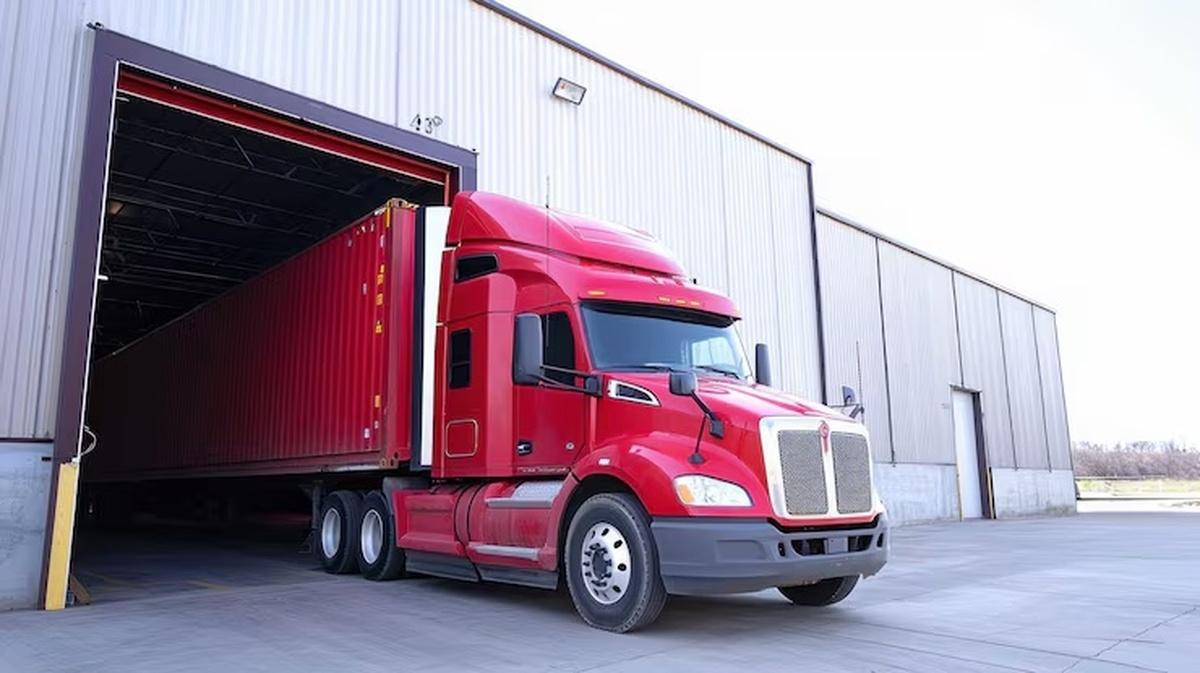
Kapolei to Ewa: Local Expertise in the Leeward Logistics Center
Operating a high-performing logistics center in West Oahu requires strategic proximity to key industrial corridors, asset-backed fleet control, and deep familiarity with Leeward traffic and port dynamics. Leveraging a localized hub allows commercial operations to bypass urban congestion and deliver materials rapidly from harbor berths to active jobsites across the island.
For Oahu commercial developers, retail managers, and regional distributors, supply chain delays in the H-1 corridor or port bottlenecks directly threaten project schedules and inventory flow.
When freight stalls during transit from Campbell Industrial Park or Kalaeloa, businesses face ballooning overhead and missed customer deadlines. Utilizing an established logistics distribution center grounded in Kapolei ensures your inventory is staged, managed, and dispatched with last-mile precision.
In this guide, you will gain a clearer understanding of how a West Oahu distribution center optimizes island supply chains, reduces transit bottlenecks, and improves freight reliability. Here is how local Leeward expertise keeps Hawaii’s essential commerce moving forward without interruption.
The Strategic Role of a Leeward Logistics Center
A modern logistics center serves as the central operational hub for managing, processing, and staging commercial freight before final distribution. Rather than acting purely as passive storage, a specialized facility combines container drayage reception, inventory management, cross-docking, and fleet dispatching into a single, coordinated node.
Located strategically in West Oahu, a logistics distribution center bridges maritime shipping lanes coming into harbor terminals with the island’s active commercial, retail, and construction corridors.
For Leeward developers, retail vendors, and industrial site managers, having a dedicated industrial facility nearby is essential to maintaining project timelines and store inventory levels. Bottlenecks along the H-1 freeway or congested urban receiving docks in Honolulu can easily derail scheduled operations, leading to idle site crews and costly delays.
Partnering with a trusted logistics center in West Oahu gives local businesses an immediate operational buffer. By staging materials locally, cargo moves rapidly to final destinations in Kapolei, Ewa, and Metro Honolulu without relying on erratic long-haul schedules across the island.
Operating through an established West Oahu facility offers key practical advantages:
- Localized Freight Staging: Holds incoming container loads near major Leeward industrial parks for on-demand deployment.
- Flexible Equipment Deployment: Matches specialized cargo demands with right-sized transport options, including flatbed trucks for heavy building materials.
- Port Transit Optimization: Reduces turnaround times for ocean freight originating from Honolulu Harbor and Kalaeloa Barbers Point.
A frequent mistake among commercial buyers is assuming that any general warehouse serves as a true distribution center. Passive storage units lack the active fleet management, specialized offloading capabilities, and rapid cross-docking infrastructure necessary to keep time-sensitive island supply chains moving efficiently.
Inside the Leeward Logistics Center: A Step-by-Step Supply Chain Framework
Mastering island distribution requires more than basic storage space; it demands an integrated operational framework rooted in a strategically positioned logistics center. Utilizing an asset-backed hub in West Oahu allows commercial enterprises to maintain precise control over cargo from port arrival to final destination delivery.
Here is the step-by-step operational process a premier logistics and distribution center uses to optimize freight movement, prevent delays, and streamline island-wide distribution.
Step 1: Rapid Container Drayage and Harbor Reception
The journey begins at Oahu’s shipping terminals, where maritime containers arrive via major carriers like Matson, Pasha, and Young Brothers. To prevent costly port demurrage fees, freight must move swiftly from dockside berths to a secure Leeward facility.
- Interchange Agreement Execution: Established carrier partnerships enable immediate container release without administrative delays at Honolulu Harbor or Kalaeloa Barbers Point.
- Direct Leeward Transport: Utilizing heavy-duty tractors to pull ocean containers directly to a nearby Kapolei facility minimizes freeway haul time and avoids early morning metro traffic bottlenecks.
- Gate Check and Inspection: Every incoming container undergoes immediate seal verification and physical inspection before being logged into inventory staging.
By maintaining dedicated port drayage capabilities, an asset-backed logistics center keeps incoming freight moving without idle wait times at the port terminals.
Step 2: Cross-Docking and Inventory Staging
Once containers arrive at the West Oahu hub, cargo must be sorted, processed, and prepared for local deployment. Cross-docking converts bulk shipments into organized, site-specific orders.
- Container Unloading and Sorting: Warehouse teams break down bulk pallets, loose freight, or specialized commercial goods using dedicated material-handling equipment.
- Strategic Freight Buffering: Materials are staged in climate-controlled or dry facilities until jobsites, retail stores, or commercial facilities are ready to receive them.
- Inventory Tracking: Advanced inventory logs track each item's location, ensuring rapid retrieval when dispatch orders are issued.
Utilizing specialized break-bulk distribution services during cross-docking streamlines the transition from large sea containers into smaller, targeted delivery routes.
Step 3: Equipment Matching and Fleet Dispatching
Not all freight moves on standard delivery vehicles. Matching cargo requirements with right-sized equipment is critical for navigating Leeward roadways and tight commercial jobsite footprints.
- Targeted Vehicle Allocation: Dispatch teams select specific assets—such as flatbeds for lumber and steel, refrigerated box trucks for perishables, or drop-deck trailers for machinery.
- Pre-Trip Safety Inspections: In-house fleet maintenance ensures every vehicle, lift gate, and tie-down strap meets safety standards before leaving the Kapolei yard.
- Localized Route Optimization: Experienced island dispatchers direct drivers along optimal transit corridors, taking into account H-1 traffic patterns, Leeward construction detours, and weather conditions.
Direct fleet ownership ensures that every distribution center shipment is dispatched on company-owned equipment with trained local drivers behind the wheel.
Step 4: Final-Mile Delivery and Specialized Offloading
The final phase transforms staged inventory into delivered value. Whether servicing a retail store in Ewa, a construction zone in Kapolei, or a military base in Central Oahu, final-mile execution demands precision.
- Site-Specific Access Coordination: Drivers manage site clearance, security checkpoints, and tight loading dock maneuvers with minimal disruption to local traffic.
- Specialized On-Site Offloading: Employing specialized offloading capabilities, such as mobile forklift delivery equipment, allows driver teams to unload heavy palletized freight directly at sites without permanent loading docks.
- White-Glove and Inside Placement: When required, crews perform inside delivery to office spaces, commercial buildings, or retail stockrooms to complete the supply chain link.
Relying on a fully integrated distribution facility ensures every delivery arrives safely, intact, and on schedule, reinforcing operational continuity across your entire business network.
Real-World Applications: Leeward Logistics Center Solutions in Practice
Translating strategic location into everyday efficiency shows how a West Oahu facility solves practical supply chain challenges. Here is how local enterprises apply the capabilities of an asset-backed logistics center to streamline island-wide distribution:
- Commercial Developer (Ewa Beach Development): A general contractor needed bulk building materials and lumber staged for phased framing schedules without cluttering an active residential build site. Storing containers directly at the jobsite risked material damage and tight site congestion.
The contractor leveraged a local logistics distribution center to hold inventory in secure short-term storage in Kapolei and dispatch flatbed trucks on demand. This phased approach eliminated jobsite overcrowding and prevented material loss from sudden coastal weather.
- Regional Food & Beverage Distributor (Campbell Industrial Park): A commercial supplier faced tight delivery windows for temperature-sensitive grocery goods bound for West Oahu retail outlets. Relying on long-haul transit across the island during morning rush hour caused frequent delivery delays and thermal risk.
By staging inventory at a nearby distribution center logistics hub, refrigerated box trucks executed short-haul deliveries directly to local stores. The distributor reduced transit times by 40% and maintained 100% cold-chain compliance.
- Commercial Office Manager (Kapolei City Center): An administrative office required inside delivery and assembly of new commercial furniture. Utilizing specialized lift-gate trucks dispatched from a nearby distribution facility, delivery crews positioned equipment directly inside office suites without disrupting daily business operations.
These practical examples prove that proximity and dedicated fleet management solve real-world shipping challenges, delivering tangible operational advantages across Oahu.
Proven Best Practices for Optimizing Your Logistics Center Strategy
Moving from basic freight handling to an optimized supply chain requires actionable, field-tested management habits. Implementing these strategic insights ensures your company leverages a West Oahu logistics center effectively while minimizing transit friction and holding costs:
- Select a Hub Near Major Freight Corridors: Strategic positioning in Kapolei places your inventory adjacent to Kalaeloa Barbers Point Harbor and the H-1 freeway. Operating near these core traffic arteries dramatically cuts drayage times compared to shipping out of distant, overcrowded metro hubs.
- Integrate Staging into Your Distribution Warehouses Strategy: Staggering freight arrivals prevents jobsite congestion and reduces demurrage risk at the harbor. Utilizing secure, scalable long-term storage within local distribution warehouses gives your business a flexible buffer against maritime shipping delays and seasonal demand spikes.
- Partner with Asset-Based Fleet Operators: Guaranteeing equipment availability during peak periods requires working with providers that own their trucks and trailers. Unlike middleman brokers, asset-backed distribution centers maintain direct control over dispatching, ensuring your cargo moves on schedule without last-minute cancellations.
- Pre-Plan Final-Mile Offloading Requirements: Identify receiving dock constraints before dispatching shipments to avoid site delivery delays. Confirming whether your jobsite or retail outlet requires lift-gate assist or forklift unloading ensures the logistics and distribution center assigns the proper vehicle setup on the first run.
Applying these operational best practices streamlines cargo handling, eliminates hidden transit expenses, and establishes total reliability across your island supply chain network.
Elevate Your Island Distribution with a Premier Leeward Logistics Center
Operating out of a strategically located logistics center in West Oahu provides the physical infrastructure, fleet control, and geographical advantage necessary to maintain a resilient island supply chain.
You now understand how a Kapolei-based hub bypasses metro traffic congestion, streamlines harbor drayage, and optimizes final-mile delivery across Leeward and Central Oahu. Partnering with an asset-backed warehousing and distribution center ensures your inventory moves seamlessly from port arrival to active jobsites without costly delays.
Taking control of your local supply chain network protects your operational schedule, minimizes holding expenses, and gives your business a lasting competitive advantage. Establishing a reliable Leeward staging hub today ensures your commercial freight is always managed with last-mile precision and local accountability.
Ready to optimize your island distribution strategy and streamline your shipping workflow? Partner with Oahu's trusted transportation experts to secure a high-performance logistics center solution tailored specifically to your commercial freight demands.
Frequently Asked Questions About Leeward Logistics Center Operations
Why is Kapolei an ideal location for an Oahu logistics center?
Kapolei provides strategic proximity to Kalaeloa Barbers Point Harbor, Campbell Industrial Park, and the H-1 freeway corridor. Operating a logistics center in West Oahu allows businesses to bypass downtown Honolulu traffic congestion, reduce port drayage turnaround times, and stage inventory closer to rapidly developing residential and commercial zones in Ewa and Kapolei. This geographic advantage accelerates final-mile delivery across the island.
What is the primary role of a distribution center in supply chain management on Oahu?
A distribution center in supply chain management acts as an active staging and cross-docking hub rather than a passive storage facility. On Oahu, it bridges maritime harbor arrivals with local commercial demand by receiving ocean containers, sorting freight, managing inventory buffers, and dispatching right-sized trucks for final-mile delivery. This process maintains steady inventory flow and prevents costly jobsite delays.
How does working with asset-backed distribution centers improve shipping reliability?
Asset-backed distribution centers own their trucks, specialized trailers, and warehouse facilities, providing direct control over dispatching and equipment availability. Middleman freight brokers rely on third-party drivers, which can lead to sudden cancellations or equipment shortages during peak shipping periods. Direct asset ownership guarantees single-point accountability, transparent communication, and consistent, on-time delivery for every shipment.
Can a Leeward warehousing and distribution center handle specialized or oversized commercial cargo?
Yes, a premier warehousing and distribution center maintains a versatile fleet equipped for heavy, temperature-sensitive, or oversized freight. Facilities in Kapolei deploy flatbeds, drop-deck trailers, refrigerated box trucks, and mobile forklifts to manage complex cargo. Utilizing specialized retail deliveries or construction staging options ensures goods are handled with professional care from harbor arrival to final jobsite offloading.
About the Author
Ryan Malaluan, CAPM®, is an SEO & Content Strategist with over 8 years of experience in SEO, content strategy, and digital marketing. He holds a Bachelor of Arts in Literature and is a Certified Associate in Project Management (CAPM®). Throughout his career, Ryan has worked with brands including Spacer, Airtasker, Marlee (formerly Fingerprint for Success), VEED.IO, and ROSEMET LLC, as well as several digital marketing agencies, helping businesses strengthen their organic visibility through strategic, results-focused SEO and content.