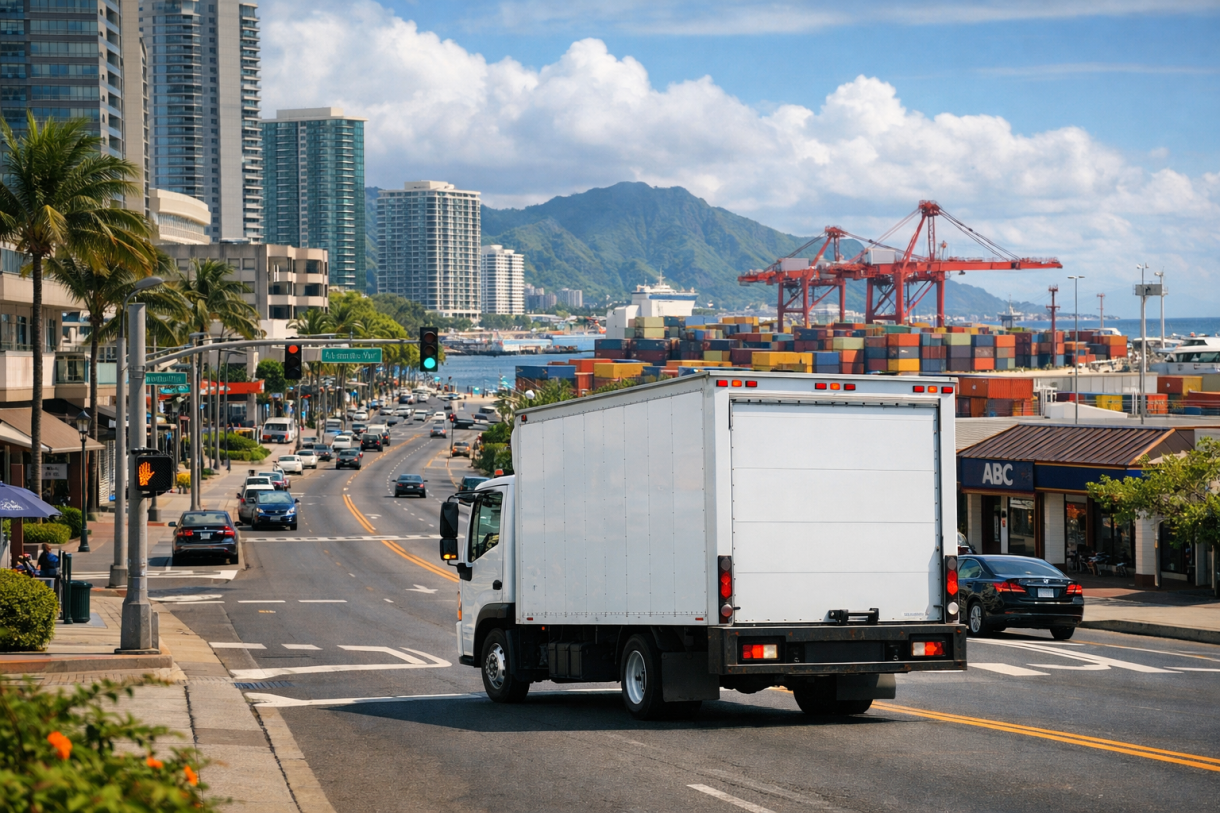
Last Mile Delivery: Optimizing Final Logistics in Hawaii
Why Last Mile Delivery Is the Most Critical Step in Logistics
In supply chain operations, the final stage often determines whether the entire process succeeds. Even if ocean freight, warehousing, and transportation are well organized, a delay during last mile delivery can disrupt the entire supply chain.
In Hawaii, this stage of logistics is especially important. Businesses rely on efficient transportation across Oahu to move goods from warehouses to retail stores, job sites, medical facilities, and residential locations.
Because of island geography and limited road infrastructure, last mile logistics requires careful planning and coordination.
Optimizing last mile delivery helps businesses:
- Reduce delivery delays
- Lower transportation costs
- Improve route efficiency
- Increase operational visibility
- Strengthen customer satisfaction
With the right logistics strategies and services, companies can transform the final stage of delivery into a competitive advantage.
What Is Last Mile Delivery?
Last mile delivery refers to the final stage of the supply chain, when products move from a warehouse or distribution center to their final destination.
That destination may include:
- Retail stores
- Construction sites
- Healthcare facilities
- Commercial businesses
- Residential customers
In Hawaii, last mile distribution typically begins once freight arrives at local warehouses or staging areas after ocean freight shipments reach the port.
Because this phase involves multiple stops and smaller shipments, it often represents the most complex part of logistics operations.
Why Last Mile Logistics Is Different in Hawaii
The logistics environment in Hawaii creates unique challenges for final delivery operations.
Some common last-mile delivery challenges include:
- Heavy traffic in Honolulu and surrounding areas
- Limited alternative road routes
- Weather-related disruptions
- Tight delivery schedules
- Coordination with port arrivals
Because shipments often begin with daily container drayage from Honolulu Harbor, timing is essential to ensure smooth distribution across the island.
Businesses must carefully coordinate port arrivals, warehouse intake, and final delivery schedules to maintain supply chain reliability.
Major Challenges in Last Mile Delivery
Understanding the challenges in last mile delivery helps businesses identify opportunities for improvement.
High Delivery Costs
The cost of last mile delivery can represent a large percentage of total shipping expenses.
Factors contributing to higher costs include:
- Smaller shipment sizes
- Frequent delivery stops
- Traffic congestion
- Specialized handling requirements
Optimizing routes and consolidating shipments can significantly reduce delivery expenses.
Route Planning and Traffic Management
Urban congestion in Honolulu can slow deliveries and create delays.
Logistics providers use last mile delivery analytics and route planning tools to determine the most efficient delivery paths and avoid peak traffic periods.
These systems help maximize driver productivity while maintaining delivery schedules.
Specialized Delivery Requirements
Many businesses in Hawaii do not have loading docks.
This means delivery providers must offer equipment such as:
Specialized services ensure goods can be unloaded safely at locations without traditional infrastructure.
Coordinating Port-to-Warehouse Transfers
Because Hawaii relies heavily on ocean freight, goods typically arrive in containers that must be unloaded and redistributed.
This process often involves break bulk distribution and temporary storage before final delivery.
Warehousing services such as short-term storage and long-term storage help businesses stage inventory before distribution.
Last Mile Delivery Solutions for Businesses
Modern logistics providers use a variety of strategies to improve last mile delivery management.
Route Optimization
Advanced routing tools analyze traffic patterns, delivery density, and stop locations.
Optimized routes help:
- Reduce fuel consumption
- Improve delivery timing
- Increase the number of daily deliveries
These improvements directly lower operating costs.
Load Consolidation
Grouping shipments headed to similar destinations reduces redundant trips.
Consolidated deliveries allow logistics providers to serve multiple clients efficiently while maintaining delivery schedules.
This strategy significantly improves fleet utilization.
Real-Time Delivery Tracking
Modern last mile delivery technology includes GPS tracking, dispatch systems, and automated notifications.
Real-time visibility allows logistics teams to:
- Track vehicle locations
- Adjust routes when delays occur
- Communicate accurate delivery windows
Transparency helps businesses maintain customer confidence.
Flexible Delivery Equipment
Different types of cargo require different equipment.
Delivery providers often rely on specialized vehicles such as:
The right equipment ensures goods arrive safely regardless of cargo type.
Scheduled Delivery Windows
Many industries require precise delivery timing.
Examples include:
- Retail inventory restocking
- Construction site material deliveries
- Healthcare supply distribution
Services such as retail deliveries and military base and residential delivery allow businesses to maintain consistent delivery schedules.
Benefits of Optimized Last Mile Delivery
When businesses implement effective last mile delivery solutions, the benefits extend across the entire supply chain.
Major benefits of last mile delivery optimization include:
- Improved delivery reliability
- Reduced transportation costs
- Higher customer satisfaction
- Better fleet utilization
- Increased operational efficiency
These improvements create stronger supply chain performance and competitive advantage.
Real-World Examples of Last Mile Distribution in Hawaii
Retail Distribution Across Oahu
A retail chain receives container shipments at Honolulu Harbor.
After containers are unloaded and inventory is staged in a warehouse, shipments are consolidated and delivered to multiple store locations across the island.
Efficient last mile distribution ensures stores remain fully stocked without emergency shipments.
Construction Site Equipment Delivery
A contractor requires building materials delivered directly to a job site without a loading dock.
Using lift-gate trucks and scheduled delivery windows ensures materials arrive safely and on time, helping the project stay on schedule.
Best Practices for Improving Last Mile Delivery
Businesses looking to improve last mile logistics should consider several strategies.
Work with experienced local logistics providers
Local expertise improves route planning and regulatory compliance.
Use delivery tracking systems
Technology improves visibility and helps identify inefficiencies.
Consolidate shipments when possible
Delivery density improves cost efficiency.
Monitor logistics performance metrics
Tracking delivery times and costs helps optimize operations.
Align inbound freight with outbound delivery schedules
Synchronizing port arrivals with delivery capacity reduces delays.
Companies evaluating logistics partnerships may also consider guidance on choosing providers, such as in this resource on 3PL logistics contracts.
Final Thoughts on Last Mile Delivery
The final stage of the supply chain is often the most complex and expensive.
In Hawaii’s island logistics environment, last mile delivery requires careful coordination between port operations, warehousing, and transportation.
By implementing effective last mile delivery management, businesses can reduce costs, improve delivery reliability, and strengthen customer satisfaction.
With the right strategies, the last mile can become one of the most valuable parts of a well-optimized supply chain.
Frequently Asked Questions About Last Mile Delivery
What is last mile delivery?
Last mile delivery is the final step of the supply chain, transporting goods from a warehouse or distribution center to the final customer or business location.
Why is last mile delivery expensive?
The process often involves smaller shipments, multiple stops, and traffic challenges, which increases transportation costs.
What are common last-mile delivery challenges?
Common challenges include traffic congestion, route inefficiencies, high delivery costs, and coordination with upstream supply chain operations.
How can businesses improve last mile delivery?
Businesses can optimize routes, consolidate shipments, use delivery tracking technology, and partner with experienced logistics providers.
Why is last mile delivery important in Hawaii?
Hawaii’s reliance on ocean freight and limited transportation routes make efficient final distribution critical for maintaining reliable supply chains.