Logistics in the Core: Navigating Urban Logistics Challenges in Honolulu
Navigating urban logistics in a densely populated island hub like Honolulu requires overcoming tight urban spaces, strict curbside regulations, and heavy traffic congestion.
Solving urban logistics hurdles is essential because delayed deliveries in congested city centers disrupt supply chains, stall construction projects, and leave retail shelves empty. For Honolulu business owners, developers, and regional managers, failing to adapt to urban space logistics means facing skyrocketing operational costs and frustrated customers.
Understanding the broader freight management meaning helps island businesses transition from reactive troubleshooting to proactive distribution planning. Implementing tailored urban logistics solutions ensures your goods move seamlessly from harbor docks to city storefronts without costly bottlenecks.
In this guide, you will learn how specialized equipment, strategic local warehousing, and precise final-mile coordination overcome downtown delivery obstacles. Let's examine how smart transportation strategies keep Honolulu moving forward.
Understanding Urban Logistics and Its Impact on Honolulu Commerce
At its core, urban logistics refers to the processes, strategies, and transportation networks used to manage the movement of goods within dense city environments. In the context of Honolulu, urban logistics encompasses everything from offloading ocean containers at the harbor to executing final-mile deliveries in tight commercial districts like Kaka’ako, Waikiki, and downtown.
It involves coordinating specialized vehicles, staging time-sensitive inventory, and navigating restricted delivery zones to keep retail, hospitality, and construction operations fully supplied.
For island business owners, real estate managers, and contractors, efficient metropolitan delivery directly affects operational profitability and client satisfaction. Honolulu’s unique geography—bounded by mountains and ocean—creates narrow corridors and high land scarcity.
Failing to account for these constraints leads to missed delivery windows, excessive fuel costs, and severe traffic congestion. Partnering with a dedicated carrier for daily container drayage allows businesses to transition ocean cargo smoothly into city distribution networks, eliminating dock bottlenecks and keeping project schedules intact.
Mastering urban distribution provides tangible operational advantages:
- Minimized Downtime: Scheduled, precision cartage keeps retail shelves stocked and job sites active without unexpected shipping delays.
- Reduced Overhead: Eliminates costly parking penalties, port demurrage charges, and wasted driver hours in gridlocked traffic.
- Targeted Delivery Access: Leverages versatile equipment, such as lift gate delivery trucks, to service commercial sites lacking standard loading docks.
A common misconception in the freight industry is assuming mainland delivery models apply seamlessly to tropical island cities. In reality, successful Honolulu distribution requires asset ownership, specialized fleet versatility, and deep local expertise to navigate dense urban corridors effectively.
Overcoming Core Urban Logistics Challenges in Honolulu
Navigating city center logistics requires overcoming physical, structural, and regulatory obstacles unique to Oahu's urban core. Managing modern urban logistics isn't just about moving cargo; it demands precise execution, right-sized equipment, and tactical scheduling to deliver goods through heavily congested commercial sectors.
Aligning your distribution strategy with proven urban logistics solutions ensures seamless transit from the Port of Honolulu to urban storefronts, high-rise office towers, and active construction sites.
Navigating Dense Commercial Corridors and Traffic Congestion
Downtown Honolulu, Waikiki, and Kaka’ako feature narrow roadways, tight turning radiuses, and high traffic density. Standard semi-trucks often struggle to navigate these cramped streets without causing traffic delays or facing access restrictions.
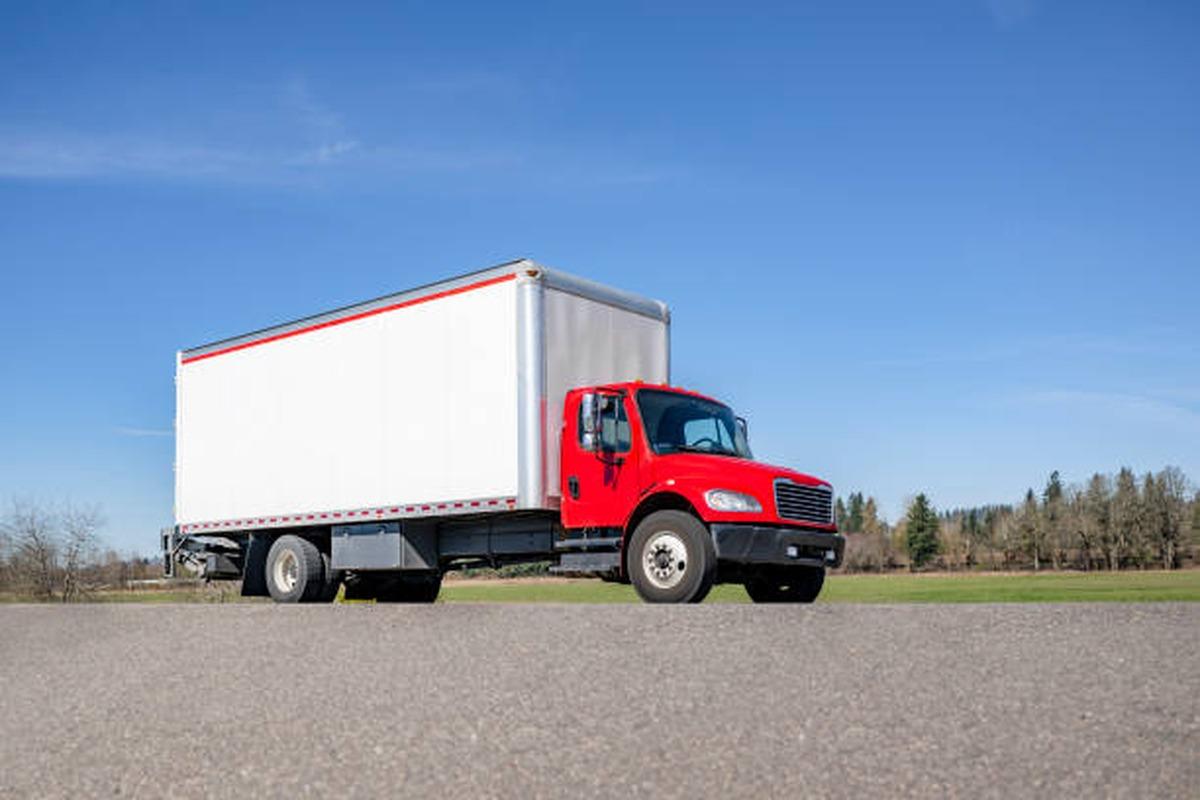
Transporting a high-volume freight commodity into dense commercial zones requires deploying versatile box trucks and specialized cartage options capable of maneuvering tight city blocks safely. By choosing agile vehicles tailored for urban streetscapes, businesses prevent transit bottlenecks and ensure reliable, on-time arrivals.
Solving Loading Dock and Curbside Access Restrictions
Many commercial buildings and retail spaces in Honolulu lack formal off-street loading docks. Drivers frequently face strict curbside parking limits, low-clearance parking garages, and limited staging windows.
To overcome these physical hurdles, white-glove services like inside pick-up and delivery ensure cargo is transported beyond the curb directly into office suites, storerooms, or retail floors. This eliminated loading gap protects merchandise from weather exposure, prevents street obstruction fines, and frees up local store staff.
Managing High Real Estate Costs with Flexible Staging
Industrial land scarcity in Honolulu creates severe space constraints for businesses attempting to store overflow inventory in the city center. This spatial squeeze directly impacts real estate logistics, making high-rent urban storage cost-prohibitive for long-term warehousing.
Utilizing strategic staging through short-term storage options off the main urban grid—such as facilities in Kapolei—allows businesses to hold inventory nearby without paying premium downtown real estate rates. Goods can then be trickled into the urban core on an as-needed basis.
Delivering Specialized Cargo to High-Security and Retail Zones
Transporting sensitive or heavy cargo into controlled environments requires specialized equipment and credentialed personnel. Urban retail centers and nearby government facilities demand exact scheduling and professional handling.
Deploying specialized options like retail deliveries supported by lift-gate trucks or mobile forklifts ensures heavy pallets are safely offloaded at ground level. This level of operational readiness keeps high-value shipments secure while fully complying with local municipal and facility guidelines.
Overcoming these complex city hurdles requires an asset-backed partner who controls the local fleet and understands Honolulu's unique urban layout.
Practical Applications: Solving Urban Logistics Challenges Across Honolulu
- Downtown High-Rise Commercial Construction: A commercial contractor building a high-rise in Honolulu faced strict delivery windows and zero staging space for heavy structural supplies. Navigating this tight urban logistics scenario required deploying specialized flatbed trucks for night-time transit and just-in-time offloading directly at the site. This precise coordination eliminated street blockages, avoided municipal fines, and kept the building schedule on track.
- Waikiki Retail Store Replenishment: A national clothing retailer in Waikiki struggled with frequent stockouts due to small backroom storage and restricted loading dock access. By integrating specialized urban space logistics strategies, the store scheduled daily morning deliveries using lift-gate box trucks that offloaded goods quickly into the basement receiving bay. This steady flow optimized retail inventory, prevented sales losses during peak tourist hours, and kept shelves consistently filled.
- Kaka’ako Restaurant Chain Cold-Chain Distribution: A popular local restaurant group needed daily bulk deliveries of fresh food commodities to multiple urban locations. Recognizing how freight logistics definition transportation shipping applies to perishable goods, they utilized dedicated refrigerated box trucks to navigate tight urban alleys safely, ensuring unbroken cold-chain compliance and zero inventory spoilage.
These real-world examples prove that tailored metropolitan cartage keeps Honolulu businesses efficient, compliant, and fully operational every day.
Strategic Best Practices for Mastering Urban Logistics in Honolulu
Applying tactical distribution strategies is what separates smooth city deliveries from costly supply chain delays. Implementing these practical insights ensures your metropolitan cartage operates seamlessly across Honolulu’s challenging urban environment.
- Schedule Deliveries Outside Peak Traffic Hours: Navigating congested city corridors during morning and afternoon rush hours drastically increases transit times and fuel costs. Coordinating early-morning or off-peak deliveries ensures rapid transit and guarantees easier access to curbside loading zones.
- Utilize Off-Site Warehousing for Urban Inventory Staging: Avoid paying premium downtown real estate rates to store excess inventory. Utilizing secure long-term storage in industrial hubs like Kapolei allows you to hold bulk stock affordably and trickle products into the city core as needed.
- Audit Building Access and Equipment Requirements in Advance: Delivering heavy cargo without verifying doorway clearances, elevator dimensions, or loading dock heights leads to refused shipments. Understanding freight management meaning principles means equipping drivers with mobile forklifts or lift gates before dispatched trucks arrive at restricted commercial sites.
- Leverage Agile Fleet Options Over Standard Heavy Haulers: Large semi-trucks often struggle in tight alleyways and narrow city streets. Modern urban logistics relies on deploying right-sized box trucks and specialized trailers that maneuver through dense commercial zones without obstructing traffic or violating local parking ordinances.
Implementing these proactive measures optimizes your city distribution, reduces operational risk, and maintains a resilient supply chain in Honolulu.
Navigating Honolulu's Urban Core with Proven Logistics Expertise
Mastering urban logistics in Honolulu requires balancing tight urban spaces, strict municipal access limits, and time-sensitive delivery schedules. By leveraging right-sized vehicles, strategic off-site warehousing, and white-glove final-mile services, businesses can overcome city center bottlenecks and protect their bottom line.
Understanding how tailored urban logistics solutions streamline cargo movement enables island contractors, retailers, and distributors to maintain a resilient supply chain in the freight industry.
Taking action today prevents costly transit delays and ensures your goods reach their destination without operational friction. Elevating your metropolitan distribution strategy gives your business a strong competitive advantage in Oahu’s fast-moving market.
When you need a trusted local partner to navigate Honolulu’s complex city streets, partner with Preferred Transportation Services. Contact our Kapolei team today at (808) 509-8160 or explore our full range of specialized break-bulk distribution and local cartage services to optimize your island operations.
Frequently Asked Questions About Urban Logistics in Honolulu
What makes urban logistics in Honolulu uniquely challenging?
Urban logistics in Honolulu is complicated by narrow island corridors, heavy traffic congestion, and a severe shortage of downtown staging space. Unlike mainland cities with expansive highway networks, Honolulu relies on limited thoroughfares to transport cargo from the harbor to urban centers. Overcoming these hurdles requires localized expertise, right-sized delivery vehicles, and precise scheduling to navigate tight commercial streets and strict municipal delivery windows effectively.
How do businesses solve loading dock constraints in city centers?
Businesses solve loading dock constraints by utilizing specialized final-mile cartage services equipped with lift gates or mobile forklifts. When commercial buildings lack traditional receiving docks, deploying white-glove solutions like inside pick-up and delivery ensures cargo is brought directly into store spaces or offices. This prevents street obstruction fines and protects inventory from weather damage during offloading.
How can companies lower storage costs within high-rent urban areas?
Companies lower storage costs by implementing off-site inventory staging instead of renting expensive downtown warehouse space. By storing bulk goods in industrial hubs like Kapolei and utilizing flexible short-term or long-term warehousing, businesses can hold inventory affordably. Goods are then trickled into Honolulu's commercial core on an as-needed basis, optimizing real estate logistics and preserving capital.
Why is fleet versatility essential for inner-city freight handling?
Fleet versatility is essential because standard heavy haulers often cannot navigate tight alleyways, low-clearance parking structures, or crowded retail bays. Modern urban logistics solutions rely on a diverse fleet—including dry box trucks, refrigerated trailers, and flatbeds—to match specific cargo and destination requirements, ensuring safe, compliant, and efficient city distribution.