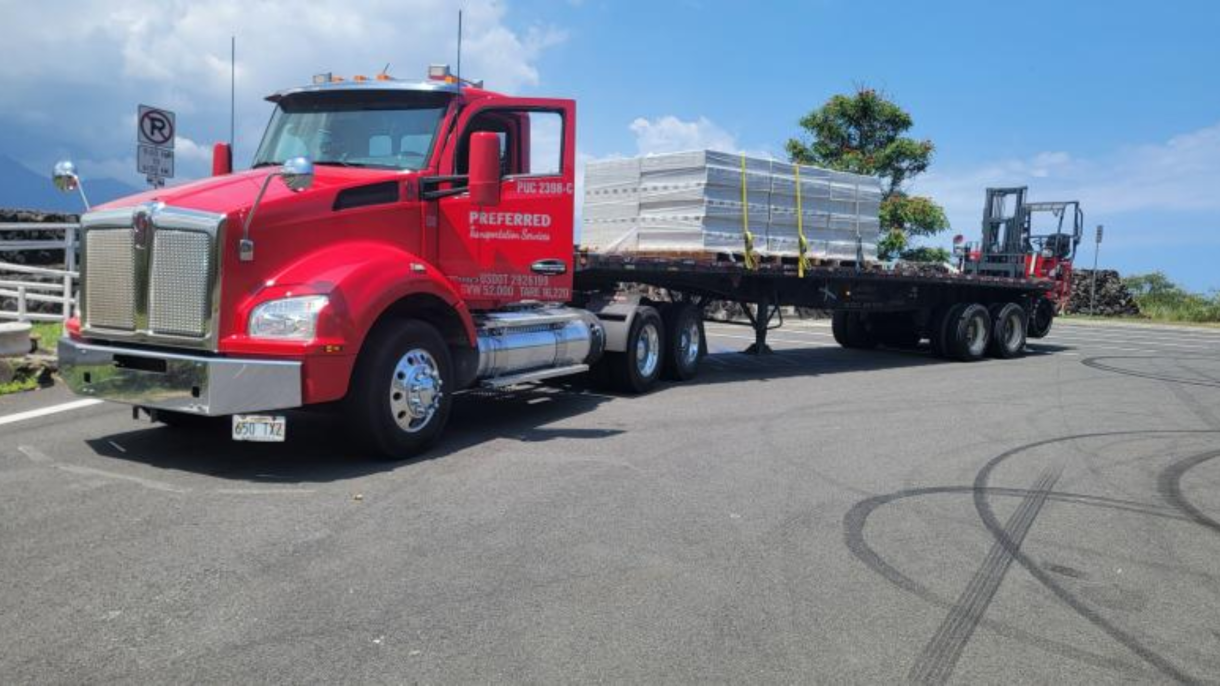
The Logistics of Length and Weight: Flatbed and Truckload Freight Shipping
When coordinating high-stakes commercial construction or major retail inventory movements on Oahu, choosing the wrong hauling method can instantly trigger broken budgets, missed deadlines, and cargo damage. Managing these structural variables effectively requires securing dedicated truckload freight shipping to ensure your specialized assets are moved without cross-docking or third-party delays.
For local business owners, developers, and suppliers, logistics failures mean stalled job sites, empty retail shelves, and costly supply chain bottlenecks across the island.
Selecting specialized flatbed freight shipping over standard enclosed transport guarantees that irregular, heavy, or oversized materials are matched with appropriate physical assets.
In this guide, you will gain a clear understanding of island-specific truckload transportation requirements, load distribution mechanics, and tracking visibility. This knowledge will empower you to make smarter logistics decisions that protect your cargo and keep your business moving smoothly. Here is how expert asset management solves your toughest transit challenges.
Mastering Truckload Freight Shipping and Flatbed Mechanics on Oahu
At its core, dedicated truckload freight shipping means a single shipper reserves an entire trailer exclusively for their goods, moving directly from the point of origin to the final destination without intermediate offloading. Unlike less-than-truckload options where various cargos share space, full truckload movements maximize security and transit speed.
For specialized building materials, heavy machinery, or pre-cast concrete pillars, this method is paired with open-deck flatbed freight shipping to allow crane or forklift access from any angle.
For Oahu’s commercial developers, small businesses, and military contractors, understanding these logistics matters because island infrastructure relies entirely on shipping precision. A mistake in equipment selection can leave multi-ton shipments stranded at the docks, compounding maritime delay penalties and halting construction progress.
Choosing an asset-based partner with a dedicated fleet of flatbed trucks ensures that your specific freight—whether it is raw lumber or delicate manufacturing machinery—is loaded onto a perfectly maintained, right-sized transport asset.
Securing full truckload transportation through a localized fleet offers immediate operational advantages:
- Zero Intermediate Handling: Eliminating freight cross-docking minimizes the risk of structural damage or accidental inventory loss.
- Maximum Weight and Space Capacity: Shippers can fully utilize legal weight limits and deck space to move maximum bulk materials in a single trip.
- Tailored Equipment Allocation: Open-deck solutions, such as specialized flatbed drop-deck trailers, provide lower centers of gravity to ensure tall or unstable cargo clears island highway overpasses safely.
A common industry misconception is that all transportation agencies manage these loads identically. In reality, relying on mainland brokers who don't own physical assets often leads to communication gaps regarding transit status. True cargo protection requires real-world accountability, which is driven entirely by experienced local operators using advanced fleet oversight.
Strategic Execution: Maximizing Efficiency in Local Truckload Shipping
Successfully moving bulk commodities, palletized freight, or oversized industrial assets across Oahu requires a calculated operational approach. Securing dedicated truckload freight shipping eliminates the structural delays associated with multi-stop transport, providing a straight line from the maritime port to your commercial job site or retail warehouse.
By analyzing the unique constraints of island geography, traffic congestion, and equipment mechanics, business managers can optimize their supply chain performance. The following structural elements form the foundation of a successful full-truckload and flatbed transport strategy.
1. Rigorous Pre-Load Planning and Asset Selection
Protecting structural freight begins before your cargo ever lands at the Port of Honolulu. Shippers must accurately document the physical footprint, gross weight, and structural vulnerabilities of their materials. This initial data dictates whether the shipment requires a standard enclosed dry van or specialized open-deck flatbed trucking services.
Selecting the correct trailer type directly impacts transit safety and unloading speed. For example, fragile, retail-ready inventory or perishable food supplies require the protective shelter of enclosed box trucks. Conversely, heavy steel beams, timber bundles, or manufacturing components thrive on open flatbeds, which grant material handlers unhindered clearance to safely unload the vehicle using commercial cranes or heavy machinery.
2. Streamlined Port Drayage Integration
For the vast majority of goods arriving in Hawaii, the local supply chain initiates at the maritime container terminals. Managing full truckload freight shipping efficiently requires a carrier that bridges the gap between ocean transport and local road delivery without friction.
Choosing a carrier that maintains established interchange agreements with major maritime lines like Matson, Pasha, and Young Brothers ensures immediate access to arriving freight. Our drivers quickly pull up directly to the docks, manage custom clearances, and execute seamless daily container drayage transitions.
The container travels directly from the harbor terminal onto our specialized chassis system. This asset-heavy integration prevents containers from sitting idle at the harbor, eliminating costly terminal storage fees and keeping construction projects perfectly on schedule.
3. Deploying Mechanized Offloading Systems
Reaching the destination is only half the logistical battle; the cargo must be safely removed from the trailer. When shipping heavy or oddly shaped palletized materials to locations that lack a built-in commercial loading dock, standard delivery methods fall short.
To overcome this bottleneck, advanced supply chain planning incorporates mobile mechanical assistance directly on-site. Utilizing localized forklift delivery services at your destination allows transport teams to unload flatbeds or drop-deck trailers quickly and efficiently.
This specialized assistance mitigates the risk of cargo damage and drastically reduces trailer detention time on-site, ensuring that delivery zones remain clear and ground crews stay safe.
4. Continuous Real-Time Shipment Tracking Visibility
In modern industrial supply chains, blind spots during transit are unacceptable. Project managers need to know exactly where their high-value freight is located to coordinate on-site labor and crane rentals effectively. This operational requirement is achieved through the integration of reliable real-time shipment tracking technologies.
Rather than relying on outdated check-calls or vague delivery windows from third-party freight brokers, professional fleet operators utilize advanced GPS and telematics systems.
This continuous monitoring tracks vehicle speed, route deviations, and estimated arrival times across Oahu’s highways. Having transparent access to accurate freight shipment tracking data empowers business owners to manage their inventory staging precisely, reducing operational downtime and increasing confidence at every stage of transit.
Logistics Insight: Eliminating transport intermediaries through dedicated truckload transit reduces cargo damage claims by more than 85% compared to multi-stop freight networks. Controlling the trailer asset from port-to-door is the single best way to protect your cargo investment.
By executing these phases systematically, local enterprises turn complex shipping challenges into a reliable competitive advantage, ensuring that essential infrastructure materials and retail assets move across Oahu without disruption.
Real-World Impact: Comprehensive Freight Logistics Services in Action
Understanding the theoretical mechanics of full trailers is valuable, but seeing how these transportation assets operate in real-world scenarios demonstrates their true business value. When local enterprises face complex shipping variables, executing a dedicated full-capacity strategy delivers measurable operational success.
- Stabilizing Supply Chains for Retail Distribution: A major retail brand operating multiple storefronts across Honolulu was suffering from unpredictable stock shortages due to erratic maritime shipping delays. To secure their inventory, they transitioned from split-freight shipping to dedicated truckload freight shipping directly from the Kapolei port terminal.
Utilizing our specialized retail deliveries network, they established a predictable, daily replenishment loop. As a direct result, the business eliminated out-of-stock occurrences and reduced transit-related product damage to zero.
- Synchronizing Staged Materials for Infrastructure Projects: A commercial development firm building a multi-story facility in West Oahu needed to transport massive structural timber packages that exceeded standard trailer sizes.
Relying on an uncoordinated network risked stalling high-priced on-site cranes, costing thousands of dollars in idle labor fees. The firm deployed specialized flatbed freight shipping assets to execute a tightly managed drop-deck transport schedule.
This precise coordination ensured that the materials arrived exactly as the assembly teams required them, cutting structural staging time by a full day.
These operational examples confirm that asset-based precision solves real-world logistics challenges smoothly. By choosing dedicated vehicle capacities, your business can eliminate transport vulnerabilities and optimize its entire island supply chain.
Industry Best Practices for Strategic Logistics Management Services
Applying expert-level oversight to your supply chain makes the difference between a high-risk transit gamble and a predictable, successful delivery loop. By incorporating focused management strategies, your business can maximize the efficiency of every dedicated shipment while eliminating common transit bottlenecks.
- Audit Payload Weight Distribution Early: Open-deck hauling requires absolute physical balance. Ensure your loading crew checks the center of gravity and axle weight limits before departure to prevent trailer swaying on steep grades.
For large-scale building components, coordinating with seasoned operators who provide specialized flatbed drop-deck trailers keeps your tall cargo stable and fully compliant with state transit safety limits.
- Insist on Comprehensive Telematics Visibility: Avoid carriers that rely on manual check-calls or vague delivery windows. True operational control requires access to best carrier-agnostic real-time shipment tracking services to monitor your fleet's live movements.
Having immediate access to clean data prevents blind spots, allowing your logistics managers to coordinate ground crews with absolute precision.
- Avoid Subcontracted Freight Brokerages: Many businesses mistakenly hire third-party logistics companies like harte hanks logistics or global brokers, only to find their cargo passed to unknown regional sub-haulers.
Partnering directly with an asset-heavy carrier that owns its trucks guarantees absolute accountability. It ensures your truckload freight shipping needs are met by a known, background-checked local driving staff.
- Establish Direct Port-to-Door Protocols: The most efficient form of truckload freight shipping bypasses intermediary warehouses entirely. By coordinating container drayage straight from the vessel onto a trailer chassis, your cargo stays secure within a single custody chain, eliminating cross-docking damage.
Embracing these operational standards protects your cargo investment and solidifies your island supply chain. When you manage your shipments with direct oversight, your business eliminates vulnerabilities and delivers reliable results.
Secure Reliable Truckload Transportation with Oahu's Premier Fleet
Optimizing your supply chain across Oahu requires a calculated approach to length, weight, and trailer mechanics. By securing dedicated truckload freight shipping, you eliminate intermediate cross-dock freight handling and guarantee a secure, direct transit path from the port terminal to your job site.
Managing your commercial operations with this level of asset-heavy precision ensures your high-value cargo remains completely protected throughout every mile of truckload transportation.
Investing in dedicated shipping solutions is the most effective way to eliminate costly project downtime and build lasting logistics resilience. Taking control of your freight management today means fewer delivery blind spots, reduced transit liabilities, and total confidence that your essential goods will arrive exactly when your business needs them.
Let our background-checked local driving staff streamline your island logistics and protect your bottom line. To receive a precise transport quote and book your dedicated vehicle capacity, explore our specialized truckload freight shipping options to discover how our company-owned fleet can optimize your distribution network today.
Frequently Asked Questions About Local Truckload Shipping
What is the primary advantage of truckload freight shipping over split-freight options?
Dedicated truckload freight shipping guarantees that your cargo has exclusive use of the trailer asset. This means your shipment travels directly from the port to your final destination without intermediate offloading or re-sorting. For local commercial operations, this streamlined approach minimizes handling risks, prevents transit-related product damage, and ensures highly predictable delivery timelines across Oahu.
How does flatbed freight shipping differ from standard enclosed transit?
Open-deck flatbed freight shipping utilizes an open trailer bed rather than an enclosed box structure, making it ideal for large, heavy, or oddly shaped materials like lumber or pre-cast concrete. This design allows material handlers to load and unload cargo from any angle using cranes or specialized on-site equipment.
When shipping oversized palletized materials to destinations without built-in loading docks, pairing flatbeds with a dedicated forklift delivery system ensures safe, rapid offloading.
Why is real-time shipment tracking necessary for industrial supply chains?
Advanced real-time shipment tracking eliminates transit blind spots by providing live telemetry data directly from the vehicle. Project managers can monitor the truck’s speed, location, and precise estimated arrival times across island highway corridors. This constant visibility allows your management team to synchronize ground labor and equipment rentals accurately, reducing costly on-site operational downtime.
Can your fleet handle specialized military base and high-security deliveries?
Yes, our local asset-heavy transportation network is fully equipped to handle high-security deliveries across all major installations on Oahu. Our professional driving staff possesses the necessary clearance credentials and background checks required to navigate strict port and military base protocols seamlessly. This specialization ensures that your dedicated full-load shipments arrive securely at restricted government facilities without administrative delays.