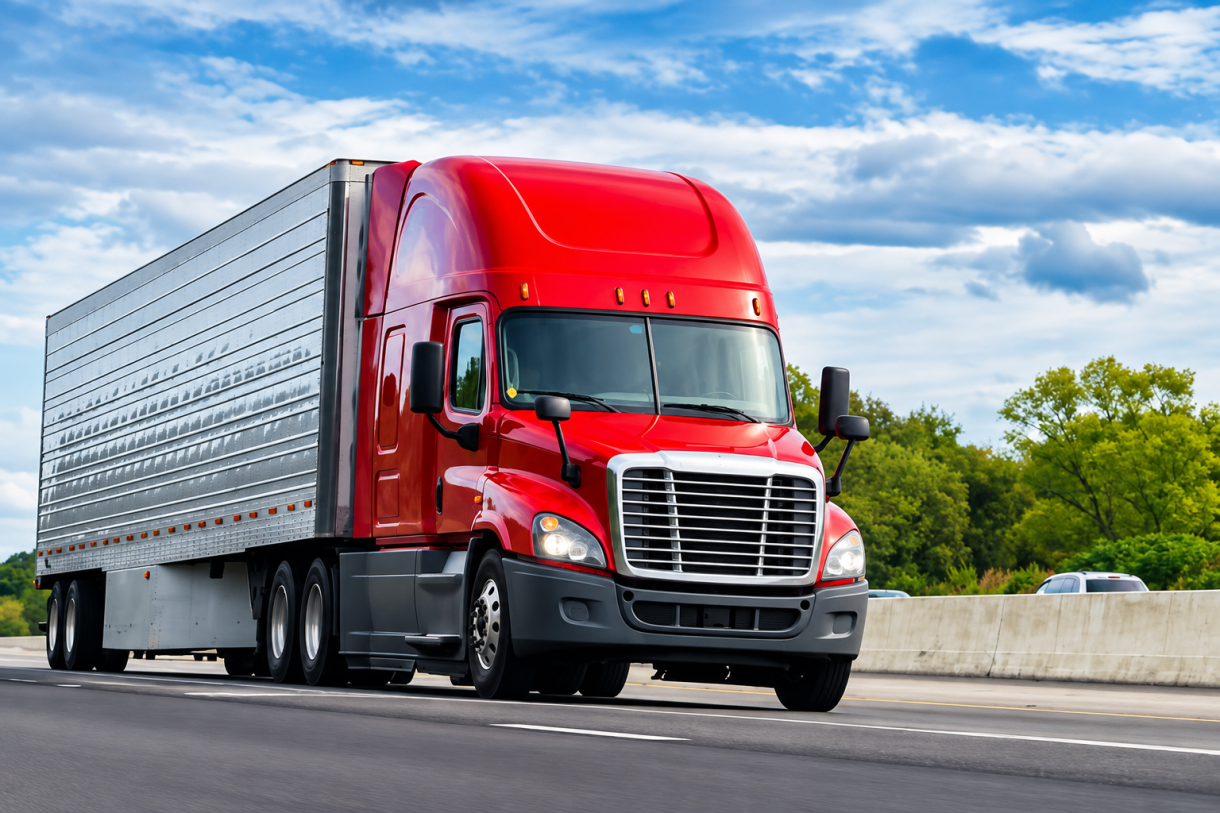
The Logistics of Pre-cast: Handling Your Oversized Load Safely
Transporting pre-cast concrete and heavy structural components requires specialized equipment, precise route planning, and expert rigging to move an oversized load without costly job site delays or safety hazards. Executing a successful oversized load transport project depends on selecting the right trailers, securing state permits, and coordinating port arrivals seamlessly.
For commercial developers, general contractors, and project managers on Oahu, a mismanaged oversize load transportation project can lead to crushed timelines, severe financial penalties, or catastrophic structural damage during transit. Navigating narrow island corridors, tight harbor turnouts, and strict weight restrictions demands a dedicated fleet and proven local expertise.
In this guide, you will learn the step-by-step logistics required for safe oversized load management—from port drayage to final job site positioning. Let’s examine how professional planning and specialized hauling keep your construction projects moving forward smoothly.
What Defines an Oversized Load and Why Safe Hauling Is Critical
An oversized load is any cargo that exceeds standard legal dimensions or weight limits set by state transportation authorities, typically measuring over 8.5 feet wide, 13.5 feet tall, or 80,000 pounds in gross vehicle weight. Moving these massive, over-dimensional shipments—such as pre-cast concrete beams, bridge girders, or heavy industrial machinery—requires specialized equipment like multi-axle drop decks, custom rigging, and official permit clearances before hitting the road.
For project managers, site superintendents, and developers, managing an oversized load is a high-stakes operational necessity. Attempting to haul heavy pre-cast structures without proper route surveys or proper trailer configurations risks severe structural stress, costly traffic fines, and devastating site delays.
Partnering with a proven logistics specialist for flatbed and drop deck trailer services guarantees that heavy cargo is distributed across correct axle ratings, protecting both public infrastructure and your materials. Furthermore, coordinating daily container drayage directly from ocean terminals ensures heavy pre-cast components move seamlessly from barge to job site without sitting idle at harbor gates.
Key benefits of expert oversized load hauling include:
- Structural Integrity Protection: Eliminates micro-cracks and stress fractures in pre-cast concrete through engineered tie-down strategies and cushioned support blocks.
- Regulatory Compliance: Secures necessary state highway permits, escort vehicle escorts, and time-of-day transit clearances automatically.
- On-Schedule Delivery: Prevents expensive crane standby fees at the job site by aligning transport arrivals directly with active installation schedules.
A common industry mistake is assuming standard flatbed trailers can handle pre-cast components simply because the freight physically fits on the deck. In reality, irregular weight distribution requires specialized trailer decks, low-profile clearance engineering, and experienced drivers who understand island-specific transport corridors.
Step-by-Step Logistics for Transporting an Oversized Load Safely
Executing a successful oversized load movement requires strict coordination between port operators, transport dispatchers, and job site receiving teams. By following a structured logistical framework, contractors and commercial developers can avoid costly clearance errors, protect structural freight, and ensure on-time delivery across island corridors.
Here is the essential, step-by-step process for managing heavy pre-cast concrete and large-scale structural equipment safely:
1. Perform Detailed Route Surveys and Clearance Checks
Before dispatching specialized equipment, logistics planners must map and physically survey the entire transport corridor. This includes measuring overhead bridge clearances, identifying tight turning radiuses, analyzing road grade changes, and evaluating weight-restricted bridges along the route.
Identifying obstacles early prevents mid-transit delays and ensures that heavy oversized cargo transportation moves without risking damage to municipal infrastructure or the cargo itself. In island settings, route planning must also account for narrow coastal roads, urban utility lines, and high-traffic times in commercial centers.
2. Select the Appropriate Specialized Trailer Equipment
Different pre-cast concrete elements—such as wall panels, parking deck tees, and bridge girders—require specific trailer configurations to manage height and weight distribution effectively. Choosing the correct trailer ensures optimal center-of-gravity placement and prevents structural tipping during transit.
- Step-Deck and Lowboy Trailers: Ideal for tall pre-cast panels, bringing overall cargo height down to meet highway clearance regulations.
- Multi-Axle Heavy Haulers: Spreads immense gross weight over multiple axle groups, keeping axle loadings compliant with state highways.
- Standard Heavy-Duty Flatbeds: Perfect for long, uniform structural beams. Utilizing robust flatbed trucks equipped with heavy-duty headache racks ensures stability and tie-down security for dense materials.
3. Secure Highway Permits and Coordinate Escort Vehicles
Navigating public roads with over-dimensional freight requires official permits from transportation authorities. These permits specify exact movement windows, approved driving routes, and required safety escorts.
Partnering with an experienced team specializing in oversized load trucking streamlines the permit application process. Escort vehicles (pilot cars) are deployed to alert oncoming traffic, assist with lane changes in tight turns, and verify overhead clearances in real time ahead of the transport rig.
4. Implement Rigging, Dunnage, and Tie-Down Protocols
Securing pre-cast concrete demands specialized rigging protocols. Concrete is exceptionally strong under compression but vulnerable to cracking from shear forces or improperly placed tie-down points.
Rigging teams utilize wood dunnage between stacked elements to absorb road vibration, corner protectors to prevent strap fraying, and heavy-duty grade-70 chains or synthetic webbing anchored at approved load-bearing points. Proper rigging guarantees the load remains stationary during sudden stops or sharp turns.
5. Coordinate Port Offloading and Final Job Site Unloading
The final stage of over dimensional transport involves synchronized staging between maritime carriers and ground transport crews. When cargo arrives at the harbor, immediate port clearance prevents container demurrage charges and keeps project timelines intact.
Upon arrival at the construction site, unloading crews must be ready to hoist materials directly from the trailer into position. For specialized deliveries where standard cranes are not present, utilizing forklift delivery services provides self-contained offloading capability, ensuring freight is placed exactly where the site crew needs it.
Real-World Applications of Oversized Load Management in Construction
Seeing how specialized transport logistics operate in real-life island settings helps contractors protect project budgets and tight schedules. Here is how leading industries successfully execute oversized load movements on Oahu:
- Pre-Cast Parking Structure Delivery in Honolulu: A commercial general contractor needed to transport massive 60-foot pre-cast concrete support tees from Kalaeloa Barbers Point Harbor to a tight downtown job site. Navigating narrow city corridors required specialized oversized equipment transportation using low-profile step-deck trailers.
By staging transit during off-peak hours and utilizing professional break-bulk distribution services at the harbor, the crew delivered all structural tees on schedule without causing traffic delays or crane downtime.
- Heavy Machinery Transport to Campbell Industrial Park: An industrial contractor required rapid oversized load hauling to move a 90,000-pound excavator to an active construction zone. Standard flatbeds could not clear island weight distribution regulations across local highway bridges.
The logistics team deployed a multi-axle drop-deck trailer with pilot escort vehicles, successfully transferring the machinery safely without regulatory fines or equipment damage.
- High-Security Infrastructure Work at Pearl Harbor: A federal contractor needed over-dimensional concrete barrier walls delivered directly to an active military facility. Utilizing a logistics provider with pre-cleared base access credentials ensured the heavy load moved from port drayage through security checkpoints without site delays.
These real-world examples prove that structured planning and specialized equipment turn complex heavy-haul projects into smooth, dependable operations.
Practical Best Practices for Managing an Oversized Load
Translating transport regulations into everyday site practices is what separates smooth, on-schedule deliveries from costly project delays. Applying these industry best practices guarantees your oversized load arrives safely while protecting both crew members and structural materials:
- Verify Axle Weight Limits Before Dispatch: Avoid costly state highway fines and structural trailer damage by calculating gross vehicle weight and axle group distribution before leaving the staging yard.
Experienced oversize load transport dispatchers ensure heavy pre-cast concrete or machinery rests over load-bearing trailer axles, preserving steering control and braking efficiency across steep grades.
- Establish Secure On-Site Staging and Storage: Construction sites often lack immediate space to hoist heavy components directly off trailers upon arrival. Utilizing secure short-term storage solutions near your job site creates a safe buffer, allowing heavy freight to sit securely until crane crews are ready to erect the materials.
- Inspect Rigging and Dunnage Materials Daily: Wood dunnage, synthetic webbing, and grade-70 chains degrade under continuous heavy-haul stress. Conduct mandatory pre-trip inspections on all tie-down equipment before initiating oversize load transportation to prevent load shifts or strap failure during transit.
- Coordinate Directly with Port Marine Terminals: Prevent harbor congestion and expensive demurrage fees by aligning flatbed pickup times directly with vessel discharge schedules. Establishing interchange agreements with ocean carriers ensures heavy containerized or break-bulk cargo moves seamlessly from ship to shore.
Following these practical guidelines empowers project managers to streamline complex logistics, ensuring every heavy haul project is executed with maximum safety and efficiency.
Partnering with Oahu’s Heavy-Haul Experts for Your Oversized Load
Successfully transporting an oversized load across Oahu requires precise route planning, specialized trailer equipment, and strict adherence to highway safety regulations. From harbor drayage to final job site hoisting, proactive logistical management protects pre-cast concrete structures, prevents project delays, and keeps construction crews safe.
Whether you are moving over-dimensional bridge beams, pre-cast wall panels, or heavy industrial machinery, partnering with a dedicated local transport specialist gives your project total operational certainty.
Taking proactive control of your transport logistics eliminates costly crane standby fees and ensures full regulatory compliance across every mile. Partnering with an experienced, island-based fleet gives your team the confidence that essential construction materials will arrive safely, efficiently, and exactly on schedule.
Request a customized quote for your next heavy-haul project with the experts in flatbed and drop-deck trailer transport at Preferred Transportation Services in Kapolei today.
Frequently Asked Questions About Oversized Load Transport
What qualifies a shipment as an oversized load on Oahu?
A shipment qualifies as an oversized load on Oahu when its dimensions or weight exceed standard state highway limits—typically over 8.5 feet wide, 13.5 feet high, or 80,000 pounds gross weight. Over-dimensional shipments like pre-cast concrete or heavy construction equipment require official state transport permits, specialized trailers, and route surveys to navigate island roads safely.
How far in advance should I arrange oversized load transportation?
You should arrange specialized oversized load transportation at least two to three weeks before your scheduled transit date. Securing state highway permits, arranging pilot escort vehicles, and coordinating harbor drayage directly from ocean carriers takes careful planning. Early coordination prevents harbor container demurrage charges and ensures specialized heavy-haul trailers are reserved for your project.
Can oversized loads be delivered directly to military installations or restricted job sites?
Yes, experienced logistics providers handle over-dimensional freight deliveries directly to high-security military bases and industrial facilities. Utilizing pre-cleared transport teams proficient in military base delivery ensures heavy machinery or pre-cast building materials pass security checkpoints without delay. Choosing an Oahu-based partner experienced in oversized cargo transportation guarantees full regulatory compliance from port to gate.