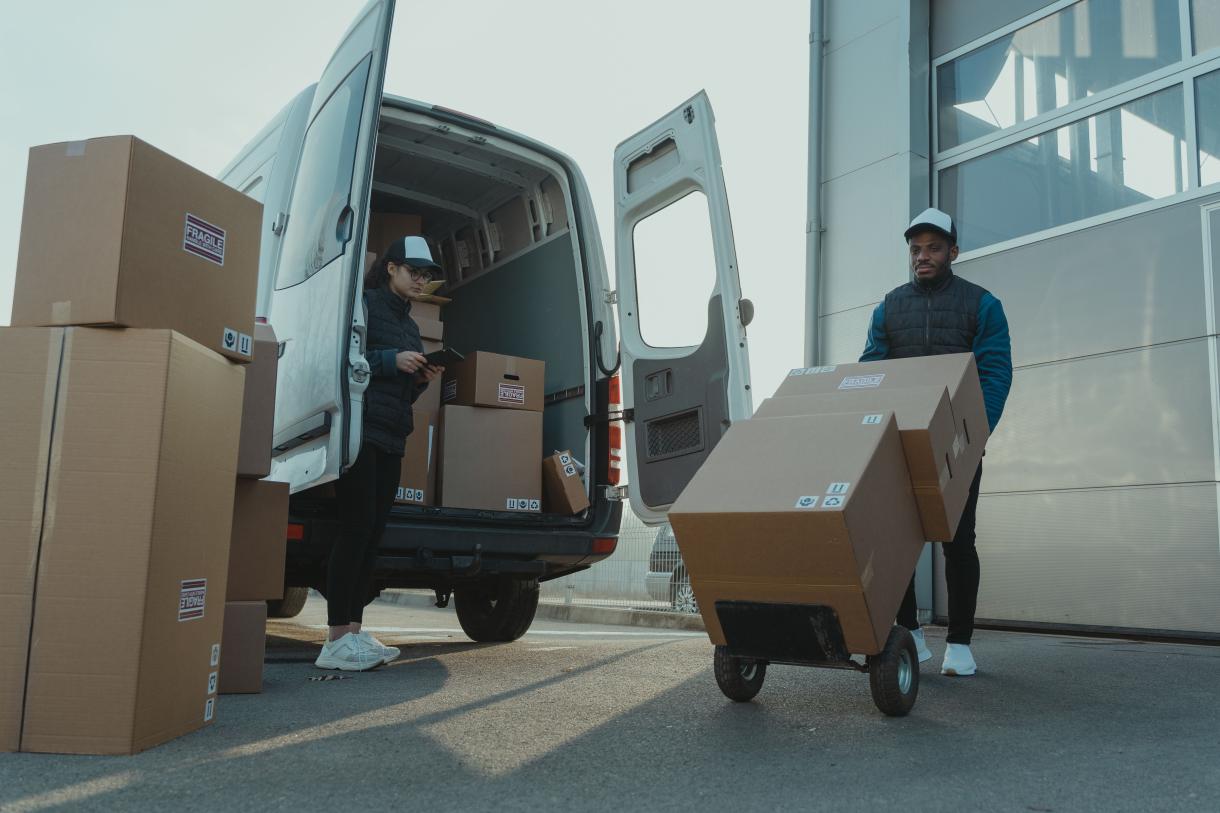
Moving What Matters Safely: Lessons from Peak Season Freight Shipping Services
When peak season hits, the sudden surge in cargo volume can push supply chains to their limits, turning simple transit into a high-stakes logistical challenge. Securing reliable freight shipping services during these high-demand periods requires proactive planning, specialized equipment, and a partner that understands how to navigate port bottlenecks.
For Oahu businesses, a single delayed delivery or damaged container doesn't just disrupt a schedule—it halts construction timelines, empties retail shelves, and impacts the local families who depend on those goods.
As a locally owned and operated freight shipping company, Preferred Transportation Services knows that managing island logistics demands asset-based accountability and deep local expertise.
In this guide, you will discover actionable strategies to protect your supply chain from seasonal delays, optimize your port-to-door transit, and select the right freight shipping service to keep your operations moving smoothly.
Let’s look at how strategic preparation can safeguard your upcoming shipments.
Navigating the Peak Demand on Hawaii’s Freight Shipping Services
Peak season in logistics refers to the predictable, annual surge in cargo volume driven by retail inventory preparation, seasonal construction pushes, and holiday demands. For island economies, local freight shipping services act as the absolute lifeline for this influx, coordinating the critical transition of goods from incoming ocean vessels to their final terrestrial destinations.
Managing this surge requires highly coordinated freight services, where specialized equipment, asset ownership, and strategic port alliances intersect to prevent supply chain bottlenecks.
Understanding how domestic freight shipping adapts during these high-volume periods is essential for any Oahu business or organization. When port congestion climbs, the risk of container demurrage, delayed project timelines, and depleted inventory increases exponentially.
For local construction firms staging materials or retailers counting on consistent store deliveries, securing a dedicated freight shipping service means the difference between seamless operations and costly downtime.
Working with an asset-heavy partner that provides daily container drayage ensures your containers are pulled from the Port of Honolulu promptly, minimizing extra fees and keeping your cargo on schedule.
Key Benefits of Peak-Season Logistics Planning
- Guaranteed Capacity: Securing partnerships early protects your cargo from sudden equipment shortages when regional demand spikes.
- Cost Control: Proactive scheduling eliminates unexpected storage penalties and expedited transport premiums.
- Operational Resilience: Utilizing a provider with a diverse, specialized fleet—including dry and refrigerated box trucks—allows you to pivot seamlessly between different cargo types as inventory needs shift.
A common misconception is that all logistics providers handle peak season surges equally. Many organizations rely on third-party brokers who lack physical assets on Oahu, leaving shipments vulnerable when local sub-contractors fill up. True supply chain resilience requires direct accountability and localized control.
Best Practices for Managing Peak Season Freight Shipping Services
Successfully managing peak season volumes requires shifting from a reactive mindset to a proactive, structured strategy. When ocean carriers dock at the Port of Honolulu, the efficiency of your local land transport determines whether your operational margins stay protected.
To ensure your cargo moves seamlessly from the port to its final destination, your logistics strategy must account for unexpected delays, equipment availability, and specialized handling requirements.
Implementing a step-by-step approach to your regional supply chain helps mitigate risks, control unexpected container fees, and maintain consistent delivery windows even during peak demand periods.
1. Secure Asset-Based Carrier Agreements Early
Relying on freight brokers who do not own their equipment introduces significant risk during peak shipping seasons. When capacity tightens island-wide, brokers must search for available drivers, often resulting in delayed pickups and inflated spot rates.
To safeguard your supply chain, establish direct partnerships with an asset-heavy freight shipping company that owns and maintains its fleet. Direct asset ownership means a single point of accountability, guaranteed equipment readiness, and predictable pricing models.
When choosing shipping freight services, confirm that your partner has established interchange agreements with major maritime carriers like Matson, Pasha, and Young Brothers to guarantee seamless port-to-door transitions.
2. Match the Right Specialized Fleet Equipment to Your Cargo
Peak season freight is rarely uniform. A single commercial project or retail rollout might require moving oversized structural materials alongside delicate, temperature-sensitive consumer inventory. Forcing specialized cargo into standard transport vehicles leads to product damage, safety violations, and extended unloading delays.
Assess your inventory requirements early and verify that your freight carrier operates a highly versatile fleet. For instance, heavy industrial supplies or pre-cast concrete require flatbed and drop-deck trailers for safe transit and rapid site deployment.
Conversely, perishable food products or specialized hospitality goods demand calibrated refrigeration units to preserve product integrity from the warehouse dock to the final delivery point.
3. Establish a Reliable Final-Mile and Unloading Strategy
The final leg of transit is frequently the most complex, particularly when navigating high-security zones, tight urban corridors, or locations lacking traditional loading infrastructure. Many standard freight operations drop cargo at the curb, leaving local small businesses or jobsites struggling to move heavy materials indoors safely.
Optimize your final-mile logistics by incorporating specialized handling capabilities directly into your dispatch planning:
- Forklift Assistance: For jobsites or retail locations without built-in docks, utilizing a forklift delivery service ensures heavy or palletized loads are unloaded safely and efficiently.
- Lift-Gate and Inside Delivery: Residential deliveries, military base drop-offs, and commercial offices often require specialized lift-gate mechanisms and beyond-the-curb handling to place items exactly where they need to go without disrupting surrounding operations.
4. Utilize Local Strategic Warehousing as a Supply Chain Buffer
Port congestion, extreme weather, or maritime scheduling shifts can cause unpredictable arrival gaps. When multiple shipments arrive simultaneously, or conversely, when a crucial delivery is delayed, your operational timeline faces immediate disruption.
Integrating flexible, local storage into your logistics network creates a vital operational buffer. Utilizing secure short-term or long-term warehousing on Oahu allows you to stage materials ahead of a major construction phase or store excess retail inventory before a seasonal rush. This local footprint shields your business from port fluctuations and ensures you can pull inventory exactly when your project or store demands it.
By structuring your shipping and freight services around asset control, specialized fleet equipment, and localized final-mile support, you eliminate the operational vulnerabilities that peak season typically amplifies. This systematic approach transforms your logistics network from a potential bottleneck into a distinct competitive advantage.
Real-World Success: Optimizing Oahu Freight Services Under Pressure
Transitioning from abstract logistics planning to actual execution is where a high-performing supply chain proves its true value. Here is how leading organizations across Oahu successfully implement specialized freight shipping services to overcome severe seasonal constraints and operational bottlenecks.
- Streamlining Retail Supply Chains: A major commercial distributor faced severe inventory backlogs at the Port of Honolulu during the peak holiday shopping rush, threatening retail stock levels across the island.
By partnering with an asset-heavy freight shipping service, they bypassed third-party broker delays and secured direct port-to-door transport. Utilizing synchronized logistics and specialized retail deliveries, the distributor kept retail shelves fully stocked with zero delivery disruptions, protecting their seasonal revenue margins.
- Accelerating Developing Construction Projects: An industrial developer handling a large-scale project in Kapolei required a steady flow of heavy building materials, but regional transport shortages threatened to halt their timeline.
They engaged a dedicated freight carrier capable of managing oversized loads with flatbeds and specialized drop-deck trailers. The transport team coordinated direct port drayage and staged the building supplies seamlessly, reducing on-site downtime by 25% and keeping the construction phase safely on schedule.
- Securing High-Security Base Operations: A military contractor needed to transport sensitive components to Schofield Barracks under strict compliance protocols. They utilized domestic freight delivery services experienced in navigating high-security military base installations, ensuring complete regulatory adherence and damage-free arrival.
These real-world examples demonstrate that regardless of your industry's specific challenges, structured shipping freight services deliver predictable, repeatable success when it matters most.
Expert Strategies for Selecting Your Freight Shipping Company
Moving from basic logistics planning to highly efficient implementation requires a deeper look at the operational capabilities of your transport partners. Applying these refined, experience-based strategies ensures your cargo stays protected, your costs remain predictable, and your freight shipping services perform flawlessly under peak pressure.
- Verify Direct Asset Control: Always choose a freight shipping company that owns its trucks, specialized chassis, and trailers rather than relying on freight brokers. Direct asset ownership guarantees that when peak demand hits Oahu, your cargo is prioritized by a dedicated team with available equipment, completely eliminating the risk of sudden third-party cancellations.
- Confirm Active Carrier Interchange Agreements: Ensure your chosen provider maintains active, seamless interchange agreements with all major maritime carriers serving Hawaii, including Matson and Pasha. This operational authorization allows drivers to pull your sea containers from the port terminals immediately, preventing costly demurrage fees and terminal storage penalties.
- Match Unloading Capabilities to Your Destination: Avoid the trap of assuming standard curbside delivery is sufficient for complex sites. If your receiving location lacks a dedicated loading dock, ensure your provider offers a specialized forklift delivery or lift-gate service to offload heavy, palletized freight safely without delaying your personnel or risking cargo damage.
- Evaluate Local Warehousing Capacity: A superior freight shipping service should provide more than just transit; it must offer a physical buffer against supply chain disruptions. Look for partners with secure, locally based warehousing on Oahu, enabling you to store, stage, or break-bulk your freight flexibly as project timelines shift.
Implementing these strategic vetting practices eliminates operational uncertainty, protecting your bottom line and ensuring your freight shipping service operates as a reliable extension of your business.
Secure Reliable Freight Shipping Services with Preferred Transportation Services
Managing the complexities of peak season logistics requires a balanced combination of proactive planning, versatile fleet equipment, and dependable asset-based execution. You now understand how partnering with an established freight shipping company protects your supply chain from costly port bottlenecks, capacity shortages, and unexpected terminal delays.
By prioritizing direct asset ownership and specialized handling capabilities, you can confidently navigate high-volume shipping periods while maintaining complete operational continuity.
Taking proactive control of your logistics network today shields your business from sudden market fluctuations and ensures your critical inventory arrives exactly when it is needed. Don't wait for seasonal port congestion to disrupt your project timelines, deplete your retail inventory, or stall your essential commercial operations.
When you need an experienced, Oahu-based freight carrier that prioritizes safety, efficiency, and on-time delivery, contact Preferred Transportation Services to customize your dedicated freight shipping services today.
Frequently Asked Questions About Oahu Freight Shipping Services
What distinguishes an asset-based freight shipping company from a standard logistics broker?
An asset-based freight shipping company owns its entire fleet of trucks, trailers, and specialized chassis, giving them direct operational control over dispatch scheduling and capacity. Logistics brokers act as middlemen, subcontracting shipments to third parties.
During high-demand peak seasons on Oahu, partnering with an asset-heavy provider ensures guaranteed equipment availability, predictable pricing, and a single point of absolute accountability for your cargo.
How do specialized freight delivery services handle tight urban corridors or locations without loading docks?
Specialized freight delivery services utilize a versatile fleet equipped with lift gates, side-loading doors, and mobile forklifts to navigate complex delivery environments. If your retail shop in Honolulu or a residential jobsite lacks a traditional loading dock, utilizing a dedicated forklift delivery service allows drivers to offload heavy, palletized materials safely and efficiently without blocking traffic or risking product damage.
Can your domestic freight shipping services accommodate temperature-sensitive inventory during peak season?
Yes, high-quality domestic freight shipping adapts seamlessly to diverse cargo requirements by deploying calibrated refrigerated (reefer) box trucks alongside standard dry vans.
This specialized equipment is critical for the food, beverage, and hospitality sectors, ensuring that perishable goods, frozen items, or temperature-sensitive retail stock maintain strict climate control from port arrival to the final retail destination.
Why are active port interchange agreements essential for reliable shipping freight services?
Active interchange agreements grant a freight carrier legal authorization to enter maritime terminals and pull containers directly from major ocean lines like Matson or Pasha Hawaii. Without these established carrier alliances, a transport provider cannot access the port promptly. This structural failure leads to extensive terminal delays, missed delivery windows, and costly container demurrage penalties for your business.