Port-to-Door: Achieving Absolute Reliability in Daily Container Shipping
Port demurrage fees, missed jobsite timelines, and supply bottlenecks happen when local land transport fails to connect smoothly with harbor arrivals. Reliable container shipping on Oahu relies on proactive harbor drayage, interchange agreements with ocean carriers, and dedicated local fleets.
Seamless door to door ocean freight ensures cargo moves from harbor terminals directly to commercial, industrial, or residential destinations across the island without costly delays.
For Oahu business owners, construction managers, and freight forwarders, an unexpected container hold at the Port of Honolulu quickly translates into compounding detention storage fees and stalled operations. Coordinating ocean freight services and container logistics services requires specialized local equipment that can immediately pick up incoming sea containers the moment they are grounded.
In this guide, you will learn how daily drayage schedules, port interchange partnerships, and local fleet versatility eliminate harbor delays. Let's explore how port-to-door transportation keeps Oahu's economy moving.
Understanding Daily Container Shipping and Why Oahu Logistics Demand Precision
At its core, container shipping refers to the standardized transport of commercial freight enclosed within sea containers across maritime trade routes and regional land networks. On Oahu, where nearly all goods arrive via ocean vessel, effective containerized shipping services bridge the critical gap between harbor terminals and local destinations.
The process relies on heavy chassis equipment and specialized drayage trucks to retrieve ocean containers immediately upon discharge from carriers like Matson, Pasha Hawaii, and Young Brothers.
Understanding how local harbor drayage connects with broader ocean freight transportation is essential for business owners, jobsite managers, and freight forwarders across Hawaii. Ocean carriers enforce strict free-time windows at harbor piers.
Utilizing reliable daily container drayage services prevents steep port demurrage fees, keeps inventory flowing smoothly into warehouses, and ensures critical project supplies arrive on schedule.
Partnering with an Oahu-based transportation provider equipped for daily harbor drayage offers distinct operational advantages:
- Demurrage Cost Mitigation: Rapid port pulls ensure ocean containers exit harbor gates before daily detention and pier storage fees accumulate.
- Established Carrier Alliances: Direct interchange agreements with major ocean lines allow seamless container movement without third-party gate friction.
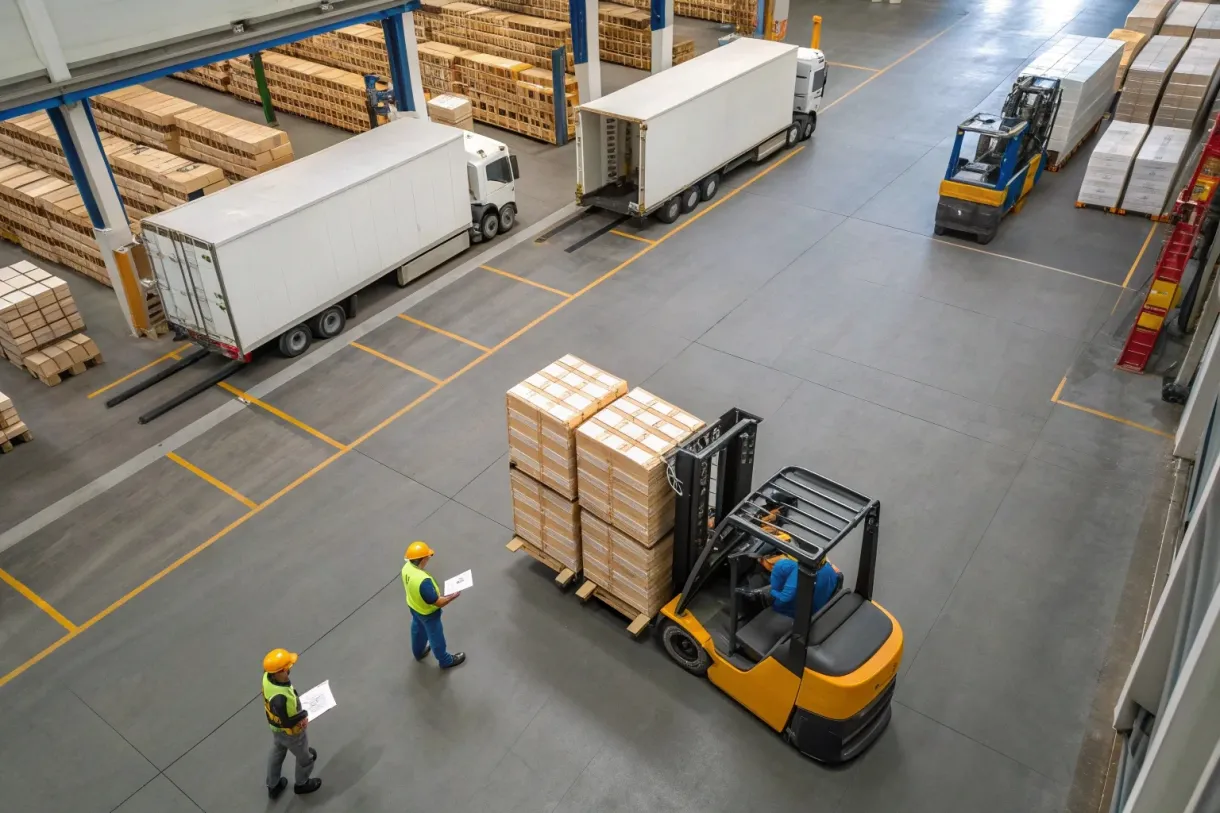
- Flexible Final-Mile Offloading: Utilizing specialized equipment like forklift delivery ensures heavy palletized loads are safely unloaded, even at job sites or facilities without dedicated loading docks.
A common misconception is that ocean carriers manage final land transport to your doorstep. In reality, ocean lines only handle maritime transit, leaving the land-based link to local logistics specialists. Executing this transition smoothly requires a structured port-to-door workflow.
The Step-by-Step Port-to-Door Process for Daily Container Logistics
Navigating daily container shipping on Oahu requires a synchronized, multi-step land operation once an ocean vessel berths at the Port of Honolulu or Kalaeloa Barbers Point Harbor.
While ocean carriers manage the sea crossing, moving a container from the pier to a jobsite, warehouse, or retail distribution center demands precision drayage and local fleet management. Partnering with experienced container logistics companies ensures that every stage—from terminal dispatch to final offloading—occurs seamlessly.
Below is the step-by-step port-to-door workflow that keeps island supply chains reliable and cost-effective.
Step 1: Pre-Arrival Manifest Review and Terminal Coordination
Before an ocean vessel grounds its cargo at the pier, dispatch teams review cargo manifests, customs releases, and carrier hold statuses. Establishing direct interchange agreements with primary ocean lines—including Matson, Pasha Hawaii, and Young Brothers—allows drayage drivers to gain rapid access to container yards. Coordinating pre-arrival documentation ensures driver credentials and chassis arrangements are locked in before terminal gates open, preventing unnecessary gate delays.
Step 2: Harbor Gate Pickup and Drayage Transport
Once cleared for pickup, specialized drayage rigs pull the sea container directly from the terminal yard. Speed during this phase is critical for controlling operational costs. Ocean carriers provide limited free-time windows before daily pier storage and detention fees apply.
Local drayage drivers navigate port terminals efficiently, securing the container onto appropriate chassis units to move freight out of high-traffic harbor zones without delay.
Step 3: Staging and Fleet Equipment Selection
Depending on the final delivery location, cargo may be transported directly to its destination or temporarily staged at a centralized, secure hub. High-volume shipments or specialized freight often require specific transport equipment to complete the final leg safely.
- Standard Drayage: Container remains on a heavy chassis for direct transit to industrial facilities or distribution warehouses with standard loading docks.
- Oversized or Construction Cargo: Materials like steel beams, lumber, or pre-cast concrete are transferred onto flatbed trucks or drop-deck trailers for easy top-loading and jobsite navigation.
- Irregular or Heavy Loads: When oversized construction supplies require specialized low-profile hauling across Oahu's road networks, utilizing flatbed drop deck trailers ensures legal clearance heights and secure transport.
Step 4: Final-Mile Navigation Across Oahu
Transporting heavy ocean freight across Oahu requires a deep understanding of local traffic patterns, municipal weight restrictions, and site-specific access rules. Whether navigating tight urban retail corridors in Honolulu, industrial zones in Campbell Industrial Park, or rural routes along the North Shore, experienced local drivers adjust transit schedules to bypass peak congestion.
For specialized receiving locations—such as government facilities or military bases like Schofield Barracks or Joint Base Pearl Harbor-Hickam—drivers adhere strictly to security access protocols and credentialing requirements.
Step 5: On-Site Offloading and Empty Container Return
The final step in door to door ocean freight is the safe offloading of cargo at the customer’s facility or jobsite. Depending on site infrastructure, offloading may utilize loading docks, lift gates, or mobile forklifts. For sites lacking dock facilities, inside pick-up and delivery services ensure materials are brought directly inside commercial or office spaces rather than left at the curb.
Once offloaded, the empty ocean container is inspected, re-secured to the drayage chassis, and returned to the harbor terminal within the carrier's designated window, successfully concluding the port-to-door cycle.
My apologies for omitting that! Here is the complete section including the optimized H2 title:
Real-World Applications: How Oahu Industries Depend on Port-to-Door Logistics
Putting robust port-to-door logistics into practice eliminates supply bottlenecks and prevents costly freight delays across Oahu. Here is how different island industries rely on daily container shipping solutions to maintain operational continuity:
- Commercial Construction Project Staging: A prime contractor at a Honolulu high-rise development receives continuous ocean shipments of heavy structural framing. By pairing prompt harbor drayage with specialized flatbed trucks, incoming containers are pulled immediately upon ship discharge and routed straight to the jobsite for direct offloading, eliminating port demurrage fees and preventing expensive crew downtime.
- Retail Supply Chain Replenishment: A statewide retail chain importing high volumes of dry goods relies on scheduled container logistics services to maintain full store shelves.
Local drayage teams transfer incoming ocean containers to centralized distribution hubs, where cargo is sorted and delivered directly to store receiving bays before opening hours.
- Hospitality Resort Refresh Logistics: An Oahu resort undergoing a major interior renovation uses coordinated ocean transportation services for bulk furnishings. Containerized shipments are picked up from the pier, temporarily staged in local warehouse facilities, and delivered in structured phases with white-glove, inside-delivery handling.
These real-world applications demonstrate that structured drayage workflows provide predictable, cost-effective freight movement for businesses operating anywhere on Oahu.
Best Practices for Managing Daily Ocean Freight Movement
Applying expert logistics strategies is the difference between an efficient island supply chain and one bogged down by unexpected harbor fees. Implementing these proven practices ensures your container shipping workflow remains smooth, predictable, and cost-effective across Oahu.
- Establish Pre-Clearance Protocols: Coordinate customs releases, ocean bills of lading, and freight documentation prior to vessel arrival. Securing pre-clearance enables drayage drivers to pull incoming ocean cargo services shipments the moment containers are grounded at the terminal yard, preventing expensive pier detention penalties.
- Leverage Scalable Storage Buffers: Avoid forcing immediate jobsite delivery when receiving locations are unready or overcrowded. Utilizing secure short-term storage provides a flexible holding area, allowing cargo to be staged off-dock and dispatched in controlled batches according to project schedules.
- Verify Driver Base Security Credentials: Ensure your drayage provider holds active Defense Biometric Identification System (DBIDS) access for military receiving locations. Having credentialed drivers ready prevents gate refusals and transit delays at installations like Schofield Barracks or Joint Base Pearl Harbor-Hickam.
- Match Fleet Equipment to Destination Requirements: Select the correct trailer configurations based on destination site constraints rather than standard container chassis alone. Combining overseas container shipping with flatbeds, drop-decks, or lift-gate box trucks ensures seamless final-mile offloading at sites lacking standard loading docks.
Implementing these proactive drayage strategies minimizes harbor delays, protects your bottom line, and ensures your cargo moves safely from port to door.
Partner with Oahu’s Trusted Leader in Daily Container Shipping
Mastering island logistics requires more than basic freight transport—it demands terminal interchange partnerships, specialized equipment, and deep local expertise. By streamlining harbor drayage and terminal pickups, daily container shipping protects your business from costly demurrage fees while maintaining supply chain resilience across Oahu.
Taking control of your island distribution network today prevents unexpected port delays, keeps jobsite schedules intact, and lowers total transportation costs. Whether you manage commercial construction, retail inventory, or high-volume ocean imports, partnering with an Oahu-based asset owner ensures your cargo is handled with precision from the moment it hits the pier.
When your operations depend on seamless daily container drayage and comprehensive ocean freight logistics, trust Preferred Transportation Services to move what matters. Contact our Kapolei dispatch team today at (808) 509-8160 or request a quote online to secure reliable door to door ocean freight solutions for your business.
Frequently Asked Questions About Ocean Container Shipping on Oahu
What is the difference between harbor drayage and door-to-door container shipping?
Harbor drayage focuses specifically on the short-distance haul of pulling sea containers from ocean terminals to local distribution hubs or rail yards. Full door to door ocean freight expands on this by handling the entire supply chain, coordinating maritime transit, port drayage, and final-mile delivery directly to your jobsite or facility.
How do local logistics providers prevent port demurrage fees?
Established drayage providers monitor vessel arrival schedules in real time and maintain pre-clearance documentation. By leveraging direct interchange agreements with carriers like Matson and Pasha Hawaii, dispatchers send credentialed drivers to retrieve incoming container shipping units immediately upon vessel discharge, exiting harbor terminals long before daily pier storage fees apply.
Can ocean freight transportation services handle deliveries to locations without loading docks?
Yes. When offloading facilities lack dedicated loading docks, specialized cartage options are deployed. Utilizing mobile forklift delivery or lift-gate box trucks allows drivers to unload heavy, palletized cargo safely at ground level, making final distribution accessible for residential areas, small businesses, and active construction sites across Oahu.
What credentials are required for container logistics services on military bases?
Transporting ocean freight onto federal installations like Schofield Barracks or Joint Base Pearl Harbor-Hickam requires drivers to hold active Defense Biometric Identification System (DBIDS) credentials. Partnering with a logistics company whose drivers hold proper security clearances prevents gate turnarounds and ensures seamless, scheduled base deliveries.