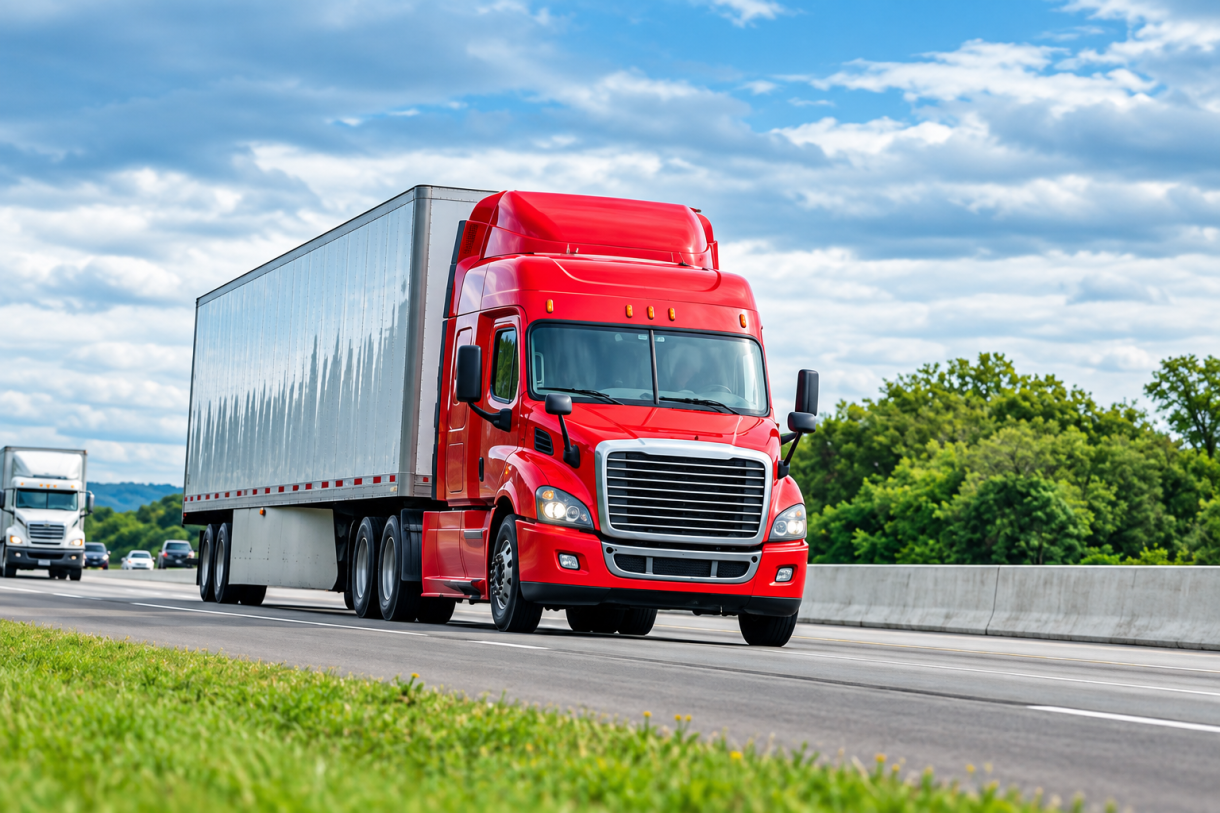
Pre-Positioning for Success: Staging and Distribution in Kapolei
Unanticipated port delays and limited site storage can instantly stall major projects and disrupt commercial supply chains across Oahu. Pre-positioning inventory through strategic warehouse staging and local distribution allows businesses to buffer against shipping bottlenecks, ensuring materials are organized, stored, and dispatched precisely when needed.
For local contractors, commercial developers, and retail managers, relying on immediate port-to-site transit introduces severe risks of demurrage fees and idle crew downtime. Staging cargo in a centralized Leeward facility provides an essential buffer that protects inventory from weather damage while keeping island projects moving smoothly. Establishing a reliable local distribution network ensures that whether you are managing retail inventory or jobsite supplies, your cargo is prepped and delivered without friction.
This guide explains how strategic warehouse staging optimizes island supply chains, reduces transit risks, and improves final-mile delivery control. Let's explore how pre-positioning cargo transforms your local freight strategy.
Strategic Staging and Distribution: Powering Oahu's Supply Chain
Strategic warehouse staging is the process of receiving, sorting, and holding freight in a secure Leeward facility before final island transport. Rather than shipping cargo directly from ocean containers to crowded jobsites or retail floors, goods are pre-positioned in a controlled staging location to align with precise deployment schedules. Integrated with island-wide distribution, this method ensures cargo is sorted by destination, prepped for final mile delivery, and dispatched on demand.
For project managers, commercial developers, and store owners across Oahu, establishing a staging area in a warehouse provides a vital operational safety net. Ocean shipping delays, port congestion, and unexpected site rainouts often disrupt strict project timelines.
Leaving ocean containers sitting at the pier leads to expensive demurrage penalties while forcing jobsite delivery when a facility is unprepared risks cargo damage and site clutter. Partnering with a dedicated logistics provider for break-bulk distribution allows businesses to uncrate, inspect, and stage freight safely, eliminating container bottlenecks and protecting valuable inventory.
Key advantages of pre-positioning inventory in a staging location include:
- Demurrage Cost Avoidance: Rapidly pulling containers from the harbour into local storage prevents costly port detention fees.
- Just-In-Time Dispatch: Staged materials are organized and dispatched in exact project phases, preventing jobsite clutter and material degradation.
- Inventory Verification: Goods are unpalleted, inspected for shipping damage, and sorted prior to final site transport.
- Flexible Storage Buffering: Pairs seamlessly with secure short term storage solutions to absorb supply chain fluctuations during peak construction or holiday retail seasons.
A frequent mistake is viewing warehouse staging as an unnecessary additional handling step. In reality, bypassing a centralized staging hub often leads to chaotic jobsite drops, damaged materials, and severe delivery delays when site conditions are not ideal. Strategic pre-positioning ensures total control over the entire island logistics lifecycle.
Managing Oahu Freight: The End-to-End Staging and Distribution Process
Optimizing island logistics requires a structured, multi-stage strategy that connects ocean shipping directly to final-mile site transport. By establishing a centralized Leeward staging warehouse, businesses eliminate port congestion and gain total control over material flow across the island.
Managing high-volume inventory or heavy jobsite supplies demands precision at every stage of handling. Executing a seamless break-bulk distribution process involves four core steps designed to streamline inventory movement and eliminate final-mile friction.
Step 1: Port Drayage and Immediate Facility Receiving
The staging lifecycle begins as soon as container ships arrive at the Port of Honolulu or Kalaeloa Barbers Point Harbor.
- Accelerated Container Retrieval: Utilizing dedicated drayage fleets, ocean containers are picked up immediately upon discharge to prevent port detention and storage fees.
- Secure Transit to Kapolei: Freight is hauled directly to a Leeward staging hub for immediate unstacking and sorting, bypassing tight downtown receiving corridors.
- Initial Uncrating and Verification: Goods are pulled from containers, checked against manifests, and evaluated for shipping damage before going into active storage.
Seamless port movement relies on authorized interchange agreements with major ocean carriers to ensure rapid container pickup and return. Establishing a rapid drayage link keeps freight moving without costly dock delays.
Step 2: Warehouse Staging, Sorting, and Inventory Pre-Positioning
Once freight arrives at the staging location, systematic organization prepares the cargo for phased deployment.
Inside the staging warehouse, items are cataloged and divided by project phase, store location, or installation priority. For industrial projects, arranging dedicated equipment storage or staging areas keeps heavy machinery, structural steel, and lumber organized until crews are ready on site.
When handling commercial fixtures or oversized construction supplies, utilizing specialized flatbed trucks ensures staged materials are loaded efficiently for safe road transport.
Step 3: Dock Loading Outbound Staging Handover and Route Planning
With inventory organized and verified, the focus turns to preparing outbound loads for swift island-wide transport.
- Dock Loading Outbound Staging Handover: Cargo is brought to the loading bay, verified against final site dispatch orders, and secured onto outbound delivery vehicles.
- Equipment Matching: Logistics coordinators match cargo types to specialized transit assets, choosing box trucks for palletized goods or flatbeds for heavy building materials.
- Strategic Route Timing: Outbound departures are scheduled to navigate Oahu’s congested traffic corridors, ensuring on-time arrival at Honolulu, Windward, or North Shore destinations.
Tip: Clear communication during the dock loading outbound staging handover prevents mixed-pallet mistakes and ensures drivers carry the exact material manifests required for active jobsites.
Step 4: Final-Mile On-Site Delivery and Staging Handover
The final stage delivers cargo directly to its point of use, completing the local distribution cycle.
- Coordinated Site Arrival: Delivery rigs arrive during pre-scheduled time slots to match site crew readiness and avoid traffic bottlenecks.
- Specialized Offloading: Utilizing truck-mounted mobile equipment or forklift delivery systems, heavy loads are offloaded safely onto unpaved ground or designated jobsite pads.
- Site Staging Verification: Materials are placed in designated work zones, signed for by site managers, and cleared for immediate use by installation teams.
Mastering this end-to-end framework guarantees that your local distribution network remains resilient, cost-effective, and fully aligned with your operational schedule.
Real-World Applications: Staging Hubs in Action
Examining how local businesses leverage Leeward logistics facilities demonstrates how pre-positioning inventory solves everyday island transit challenges. Here is how Hawaii commercial developers and retail operators apply structured warehouse staging to streamline their local distribution operations:
- Commercial Solar Installation in Ewa Beach: A renewable energy developer needed to receive fifty ocean containers of solar panels and heavy mounting hardware without cluttering a restricted residential installation site.
By utilizing a Kapolei staging warehouse, materials were uncrated, organized by installation phase, and dispatched using scheduled flatbed drop deck trailers. This eliminated site congestion, protected delicate equipment from weather damage, and kept installation crews working without interruption.
- Retail Store Restock in Honolulu: A national retailer preparing for a major store opening faced ocean shipping delays that threatened its launch schedule. Staging incoming inventory at a central Leeward facility allowed staff to sort merchandise by aisle and execute rapid nightly replenishment runs via box trucks, ensuring shelves were fully stocked for opening day.
- High-Rise Construction Material Staging: A downtown building contractor staged pre-cast concrete components in an off-site holding area, transferring pieces to the site only as crane operators were ready to hoist them.
These real-world examples prove that integrating centralized staging into your island distribution strategy protects valuable cargo, controls delivery timing, and keeps complex projects running on schedule.
Practical Strategies for Optimizing Island Warehouse Staging
Transitioning from general logistics concepts to practical execution requires actionable protocols tailored to Hawaii's unique supply chain environment. Applying these industry-tested recommendations ensures your staging warehouse operations streamline local distribution, protect valuable assets, and eliminate unexpected site delays.
- Designate Clear Equipment Storage or Staging Zones: Establish dedicated lanes inside your staging location specifically for heavy machinery, pallets, and oversized building supplies.
Clearly marking staging area construction boundaries prevents site clutter, improves forklift maneuverability, and accelerates daily load consolidation for outbound transit.
- Synchronize Dock Loading Outbound Staging Handover Protocols: Implement strict verification checks during the handover process between warehouse staff and drivers. Verifying bill-of-lading documents at the loading dock prevents partial shipments and ensures the correct installation phase materials reach active jobsites.
- Establish a Scalable Storage Buffer for Peak Seasons: Protect your project timelines from ocean shipping fluctuations by securing flexible inventory space. Combining a centralized staging facility with long term storage solutions allows businesses to stockpile critical supplies locally, shielding operations from sudden material shortages.
Implementing these field-tested staging practices transforms your local distribution network into a reliable, efficient engine that keeps island projects moving forward on schedule.
Streamline Your Island Supply Chain with Centralized Kapolei Distribution
Establishing a centralized staging hub in Kapolei gives your business the flexibility needed to navigate Oahu's unique logistical challenges. By pre-positioning inventory in a secure Leeward staging location, you eliminate costly port demurrage fees, prevent jobsite congestion, and gain complete control over final-mile transport.
Taking action to optimize your staging and storage strategy today protects your materials, lowers operational overhead, and ensures your projects remain on schedule. Partnering with an asset-heavy, locally based logistics specialist provides the operational certainty required to keep island operations moving without disruption.
Optimize your island freight strategy and secure full control over your local logistics—partner with Preferred Transportation Services for expert break-bulk distribution tailored to your exact project needs today.
Frequently Asked Questions About Staging and Distribution in Kapolei
What is the practical meaning of vehicle staging in local logistics operations?
In island freight logistics, vehicle staging meaning refers to the strategic queuing and organizing of delivery trucks, trailers, and heavy equipment at a centralized staging location prior to dispatch. Pre-positioning vehicles in a Leeward facility ensures drivers can load staged freight efficiently, navigate Oahu traffic corridors at optimal times, and avoid causing congestion or bottlenecks at tight commercial job sites.
How does staging in a warehouse prevent costly port demurrage fees?
Staging in a warehouse allows ocean containers to be pulled immediately from the Port of Honolulu upon discharge and brought to a secure off-site hub. By rapidly uncrating and organizing the freight inside a dedicated facility, containers are returned to maritime carriers well within their free-time window, eliminating expensive daily detention penalties while keeping inventory safe for future distribution.
Can heavy equipment storage or staging be managed alongside general commercial freight?
Yes, industrial logistics facilities in Kapolei are specifically configured to accommodate both palletized goods and heavy equipment storage or staging. Dedicated outdoor staging areas provide secure holding zones for construction machinery, oversized steel, and lumber, while indoor warehouse space protects sensitive electronics or retail inventory. Coordinating with an asset-backed local provider for specialized forklift delivery ensures heavy staged assets are offloaded safely at the jobsite.
Why is Kapolei an ideal staging location for Oahu freight distribution?
Kapolei serves as the industrial heart of Oahu, offering direct highway access to Kalaeloa Barbers Point Harbor and the Port of Honolulu. Establishing a staging location in Kapolei allows businesses to bypass downtown Honolulu gridlock, organize high-volume inventory efficiently, and coordinate rapid distribution to commercial developments, military bases, and retail centers across all sides of the island.
About the Author
Ryan Malaluan, CAPM®, is an SEO & Content Strategist with over 8 years of experience in SEO, content strategy, and digital marketing. He holds a Bachelor of Arts in Literature and is a Certified Associate in Project Management (CAPM®). Throughout his career, Ryan has worked with brands including Spacer, Airtasker, Marlee (formerly Fingerprint for Success), VEED.IO, and ROSEMET LLC, as well as several digital marketing agencies, helping businesses strengthen their organic visibility through strategic, results-focused SEO and content.