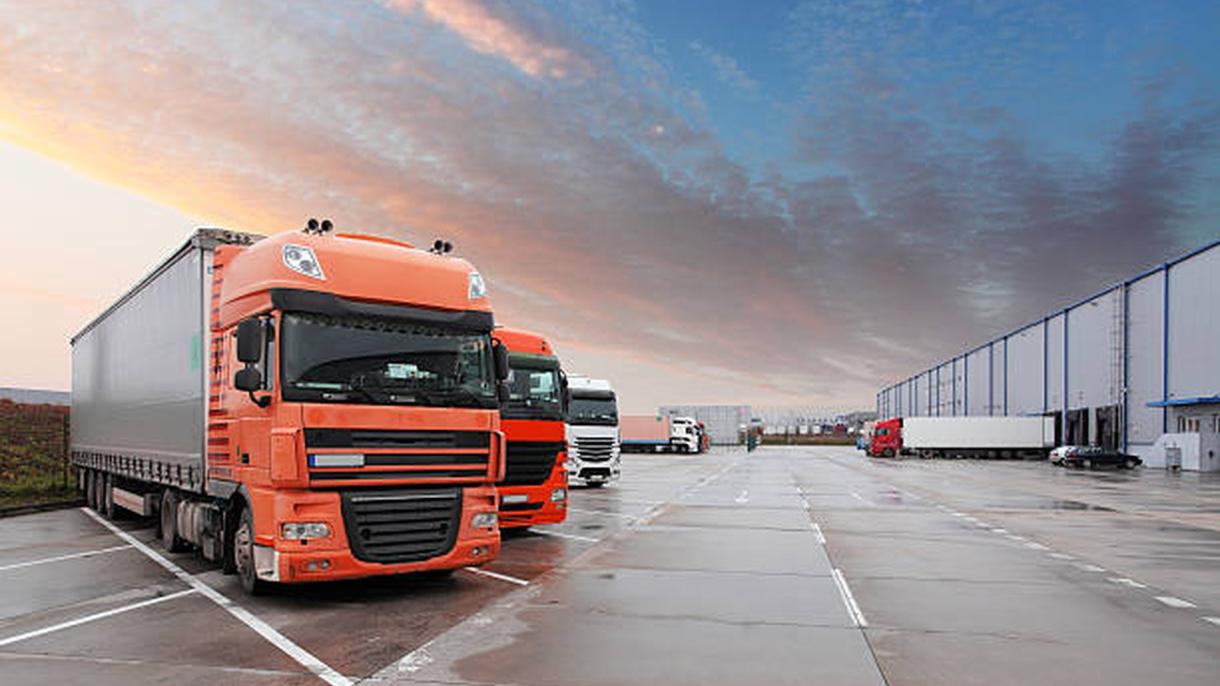
Precision in Every Mile: Navigating Commercial Freight Transportation Across Oahu
Navigating commercial transportation on Oahu requires a trusted logistics partner capable of moving critical freight smoothly between island ports, job sites, and commercial hubs.
Modern transportation infrastructure demands precise coordination across the island's unique highway corridors, where maritime arrivals must transition seamlessly to final-mile delivery. When supply chains stall at the harbor or heavy equipment is delayed, local businesses, construction managers, and retailers face skyrocketing costs and project downtime.
Understanding how professional transport and drayage operations function enables island enterprise leaders to streamline their supply chain, select the right specialized fleet assets, and ensure full regulatory compliance.
This comprehensive guide breaks down essential island cartage strategies, port integration protocols, and specialized hauling solutions so you can optimize your island logistics with absolute confidence.
The Foundation of Oahu Port Drayage and Island Freight Logistics
Container drayage is the specialized short-distance transfer of ocean shipping containers from maritime piers to regional warehouses, distribution centers, or active job sites. On Oahu, where over 80% of consumer goods arrive by sea, port-to-door drayage serves as the operational engine connecting ocean shipping carriers with terrestrial supply chains.
In an isolated island market, inefficient local haulage leads directly to costly demurrage fees, port congestion penalties, and disrupted retail inventories. Partnering with a dedicated logistics specialist for daily container drayage ensures ocean freight moves swiftly off the docks, eliminating container storage fines while keeping commercial projects on schedule.
Key operational advantages of structured island cartage include:
- Interchange Compliance: Established agreements with major ocean carriers like Matson, Pasha, and Young Brothers allow seamless container retrieval and equipment return.
- Demurrage Avoidance: Rapid port clearance prevents costly storage penalties accrued when containers sit idle on ocean docks.
- Flexible Final-Mile Routing: Moving cargo directly from piers to local facilities keeps inventory pipelines flowing across Honolulu, Kapolei, and Leeward Oahu.
A common misconception is that standard long-haul trucking operations can execute island port drayage effectively. However, island container transport requires precise coordination with maritime terminal operators, specialized chassis fleets, and local regulatory oversight governed by the US Department ofTransportation.
Utilizing targeted equipment like flatbed drop-deck trailers guarantees that heavy, oversized, or non-standard containerized loads meet island weight limits and clear low-clearance highway infrastructure safely.
Key Pillars of Full-Service Island Freight and Cartage Execution
Executing commercial transportation across Oahu demands an asset-backed fleet capable of handling diverse cargo specifications, strict time windows, and complex site access points.
Moving cargo efficiently requires matching the precise physical characteristics of each shipment to specialized transport equipment, guaranteeing that every delivery arrives safely and on schedule.
1. Temperature-Controlled Logistics for Perishables and Retail
Hawaii’s food service, grocery, and hospitality sectors depend heavily on uninterrupted cold chains. Transporting sensitive perishable goods across island highways requires specialized equipment designed to maintain precise climate specifications from harbor pick-up to store drop-off.
Utilizing multi-temp dry & refrigerated box trucks protects perishable cargo against thermal degradation during transit, maintaining food safety compliance across retail store routes and resort distribution networks.
2. Heavy-Duty Equipment Hauling and Construction Support
Commercial developers and industrial contractors often handle heavy machinery, pre-cast concrete, lumber, and structural steel that cannot fit within standard dry van containers. Oversized construction supplies necessitate specialized flatbeds and drop-deck trailers equipped with heavy-duty tie-down systems.
Managing heavy loads requires adherence to safety guidelines set by the usdot to protect highway infrastructure, ensure load stability over winding island terrain, and secure clearance permits for over-dimensional cargo.
3. Final-Mile Handling and Specialized Site Unloading
Delivering palletized freight or commercial equipment to locations without loading docks—such as urban commercial centers, residential areas, or remote construction zones—creates significant final-mile logistical hurdles. Deploying vehicles equipped for lift-gate delivery ensures safe, efficient ground-level offloading without requiring expensive on-site machinery or manual labor.
For high-security government installations or restricted military facilities, logistics personnel must also maintain active credentialing to satisfy strict u.s. transportation department regulatory access protocols.
4. White-Glove and Specialized Facility Services
Certain commercial shipments—such as sensitive medical gear, office furnishings, and high-value electronics—demand care beyond standard dock-to-dock drops. Incorporating inside pick-up & delivery services ensures cargo is moved directly into retail floors, corporate suites, or staging areas, minimizing handling risks and streamlining final placement for commercial tenants.
By evaluating cargo dimensions, temperature sensitivity, and destination access points early, enterprise shippers can eliminate transit delays, maintain strict regulatory compliance, and optimize overall supply chain performance across Oahu.
Island Transport in Action: Real-World Oahu Logistics Solutions
Translating commercial transportation strategy into daily execution requires adaptively matching specialized fleet assets to distinct operational environments across Oahu.
- Commercial Construction Supply Staging: A major West Oahu developer needed pre-cast concrete and structural lumber delivered to a active job site lacking an elevated loading dock.
Utilizing forklift delivery services, cargo was offloaded safely directly onto the staging area. This eliminated project downtime, avoided equipment rental overhead, and ensured total safety compliance under local highway regulations.
- High-Security Military Installation Delivery: A national logistics contractor required the transfer of sensitive electronics to active facilities at Pearl Harbor and Schofield Barracks.
Navigating strict access checkpoints regulated by the department of transportation required fully credentialed drivers and specialized air-ride trailers. The shipment arrived on schedule without entry delays or administrative friction at base gates.
- Hospitality and Food Service Supply Chains: A resort network in Waikiki faced daily inventory shortages during peak tourism season due to delayed harbor clearance. Establishing scheduled morning container pulls directly from the Port of Honolulu streamlined their freight supply chain, keeping kitchens stocked and guest services fully uninterrupted.
These real-world applications demonstrate how tailored hauling strategies deliver operational stability, mitigate logistical delays, and protect commercial outcomes across every island sector.
Proactive Strategies for Island Freight and Logistics Efficiency
Optimizing your commercial transportation workflow across Oahu requires moving beyond simple cargo dispatch to proactive supply chain planning. Implementing proven island cartage strategies minimizes transit delays, avoids harbor penalties, and elevates overall operational reliability.
- Schedule Morning Port Pulls Early: Coordinate container retrievals during early terminal gates at the Port of Honolulu to avoid midday highway congestion along the H-1 corridor. Early harbor pulls help drivers bypass severe traffic bottlenecks, ensuring predictable job site arrival times and lower fuel burn across Leeward and Metro corridors.
- Establish Integrated Flexible Storage Buffers: Buffer against volatile ocean shipping schedules by pairing harbor drayage with flexible short-term storage options. Holding incoming inventory in off-site warehouses prevents job site clutter, eliminates container demurrage fees, and protects valuable materials until installation teams are ready.
- Verify Driver Access Credentialing Ahead of Time: Confirm that transport drivers hold active security credentials required by the department of transport and local military authorities before scheduling deliveries to government facilities. Pre-clearing drivers prevents gate turnarounds, costly delays, and missed delivery windows at restricted military locations.
Applying these strategic logistics practices ensures your transport operations remain cost-effective, resilient, and fully aligned with island supply chain requirements.
Master Hawaii Island Transportation with a Dedicated Local Fleet
Achieving seamless commercial transportation across Oahu comes down to asset-backed fleet capabilities, established maritime harbor partnerships, and precise island cartage execution. By matching your cargo specifications with specialized vehicles—from temperature-controlled box trucks to heavy-duty drop-deck trailers—you eliminate harbor demurrage risks and protect project schedules.
Building a resilient island supply chain requires working with local specialists who understand Oahu's unique harbor protocols and regulatory usdot standards. Aligning your operations with an experienced island logistics partner ensures your commercial freight moves efficiently from ocean piers to final destinations without costly interruptions.
Ready to streamline your island logistics and safeguard your freight timelines? Partner with Preferred Transportation Services for expert daily container drayage and comprehensive cartage solutions tailored to your business needs today.
Frequently Asked Questions About Oahu Island Transportation Services
How does container drayage differ from standard freight shipping?
Container drayage is the specialized short-haul transfer of ocean shipping containers between maritime piers, local warehouses, and regional job sites. Standard freight shipping typically involves long-distance, intercity overland transit. On Oahu, efficient drayage focuses on rapid harbor clearance, avoiding costly pier demurrage fees, and coordinating seamless transfers across island roadways under regulatory oversight by the department of transportation.
Can you handle temperature-sensitive freight across Oahu?
Yes, perishable goods and temperature-sensitive products are transported using specialized multi-temp fleet equipment. Utilizing climate-controlled dry & refrigerated box trucks ensures that food service items, medical supplies, and retail inventory maintain uninterrupted cold chain protection from harbor pickup to final store or resort delivery.
What documents are required for harbor container pickup at Oahu ports?
Harbor container retrieval requires active delivery orders, ocean bill of lading documentation, and pre-cleared interchange agreements with major ocean carriers. Additionally, transport operators must maintain compliant US dot credentials and TWIC security clearance to access restricted terminal areas at the Port of Honolulu without experiencing gate delays or administrative holds.
How are oversized or heavy industrial materials transported locally?
Oversized construction materials, pre-cast concrete, and heavy machinery are moved using specialized heavy-haul equipment, such as drop-deck and flatbed trailers. These transfers are planned around strict island axle-weight limits and low-clearance highway infrastructure governed by the local u.s. transportation department to guarantee safe, legal, and timely delivery.
About the Author
Ryan Malaluan, CAPM®, is an SEO & Content Strategist with over 8 years of experience in SEO, content strategy, and digital marketing. He holds a Bachelor of Arts in Literature and is a Certified Associate in Project Management (CAPM®). Throughout his career, Ryan has worked with brands including Spacer, Airtasker, Marlee (formerly Fingerprint for Success), VEED.IO, and ROSEMET LLC, as well as several digital marketing agencies, helping businesses strengthen their organic visibility through strategic, results-focused SEO and content.