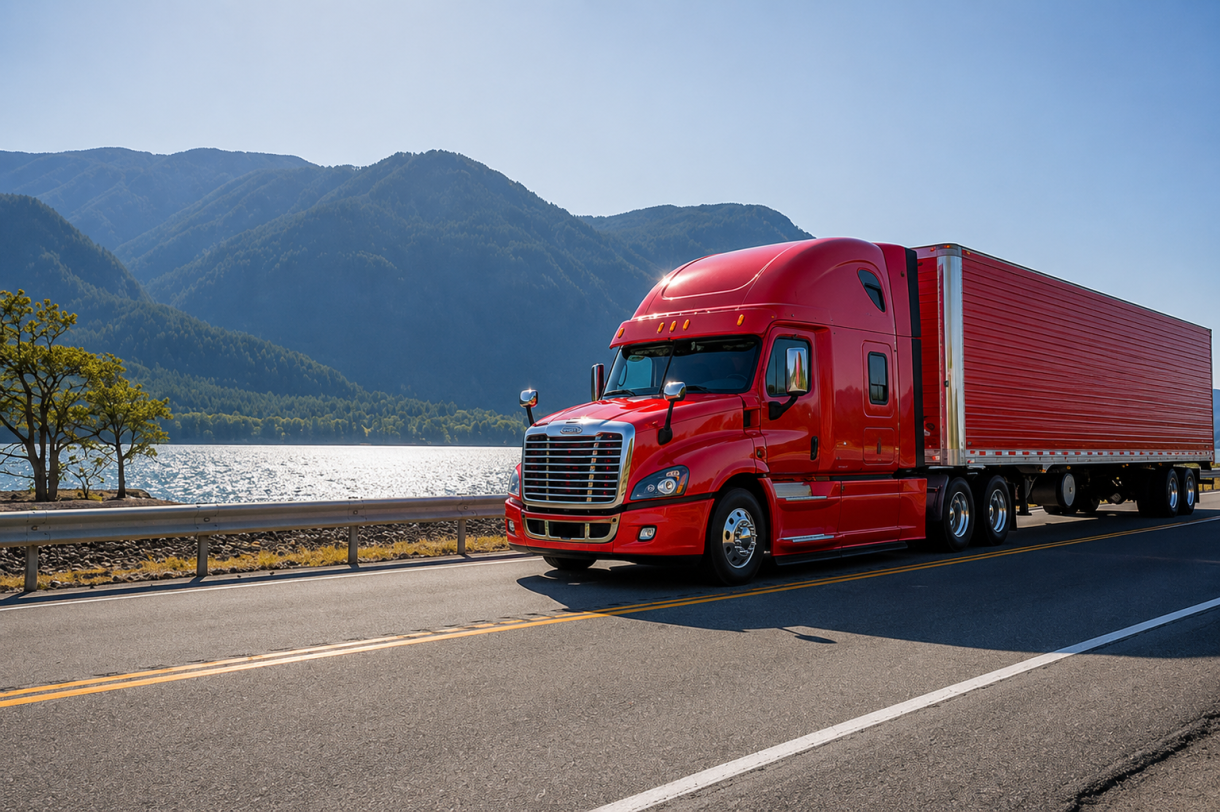
Reliability in Motion: Why Owning the Fleet Beats Standard Trucking
Navigating the commercial trucking landscape on Oahu requires asset-based reliability, specialized equipment, and direct operational control to guarantee on-time deliveries. Partnering with a logistics provider that owns its fleet rather than relying on third-party freight brokers protects your cargo from unexpected delays and broken accountability across island supply chains.
For business owners, project managers, and commercial developers, supply chain disruptions present a major risk to daily operations. Subcontracted freight services, missed port appointments, or unvetted drivers can stall multi-million-dollar development projects, drain operational budgets, and disrupt essential retail inventory.
In this guide, you will gain clear insight into how asset-heavy trucking operations function, why fleet ownership safeguards cargo integrity, and how professional drivers overcome unique island logistics challenges. Let's examine how direct fleet control drives seamless transportation across Oahu.
The Reality of Commercial Trucking in Hawaii and Why Asset Ownership Matters
Asset-based commercial trucking is a logistics model where the transportation provider owns and maintains its physical fleet, employing dedicated drivers directly rather than brokering loads out to third-party owner-operators. In an island economy, this model means the company managing your freight maintains total control over dispatch, maintenance schedules, and driver qualifications from port pickup to final destination.
For local business owners, site supervisors, and store managers, choosing an asset-heavy commercial trucking partner directly impacts operational stability. Brokered freight services introduce multiple layers of uncertainty, where unvetted subcontractors can cancel pickups, misuse specialized equipment, or miss critical port appointments.
Relying on dedicated dry refrigerated box trucks ensures that perishable food items, retail goods, and construction materials remain under strict quality control throughout transit across Oahu.
Working with a dedicated asset owner provides clear operational advantages for island enterprises:
- Single-Point Accountability: Dealing directly with the fleet owner eliminates middleman excuses, providing real-time tracking and direct driver communication.
- Guaranteed Equipment Readiness: In-house fleet maintenance ensures trailers, lift gates, and refrigeration units operate without mechanical failures during crucial deliveries.
- Consistent Professional Handling: Employing trained, local drivers guarantees familiarity with Oahu’s tight urban corridors, military security gates, and industrial jobsite protocols.
A common misconception in the wider trucking industry is that freight brokers offer lower costs and equal reliability. In practice, brokered shipments on an isolated island often lead to hidden demurrage fees, unhandled cargo damage, and missed delivery windows when subcontractors prioritize higher-paying loads.
Navigating Island Logistics: How Dedicated Trucking Defeats Supply Chain Friction
Building a resilient supply chain on Oahu requires understanding how direct fleet management resolves the operational friction typical of island freight movement. When national supply chains face pressure, local businesses relying on non-asset freight brokers often experience delayed shipments, unverified driver credentials, and rising demurrage fees at the port.
Here is a comprehensive breakdown of how dedicated, asset-based trucking eliminates common logistical vulnerabilities and keeps Oahu commercial operations moving forward without disruption.
Eliminating the Freight Broker Gap with Direct Asset Ownership
In standard logistics, freight brokers act as middlemen who buy transportation space from third-party motor carriers and sell it to shippers. While this model works across mainland highway networks, it creates severe vulnerabilities on Oahu, where port access, time-sensitive vessel offloading, and limited equipment availability dictate success.
Partnering directly with a dedicated daily container drayage fleet removes the risk of sudden subcontractor cancellations. When an asset-based carrier handles your cargo, you work directly with the dispatchers and drivers operating the vehicles, ensuring full operational transparency and immediate accountability for every mile traveled.
Retaining Qualified Drivers Amid Industry Pressures
Reports from the American Trucking Association and broader trucking news frequently highlight how a persistent truck driver shortage impacts mainland freight rates and delivery reliability. On Oahu, the challenge is even more pronounced because navigating narrow urban streets and strict military access points requires specialized local expertise.
Asset-heavy carriers overcome these industry-wide staffing pressures by employing a permanent, locally based driving team. Dedicated local drivers take pride in maintaining long-term relationships with local dock workers, site managers, and port authorities. This operational continuity ensures your cargo is managed by professional drivers who understand the nuances of Oahu roadway restrictions and harbor protocols.
Mastering Specialized Final-Mile Delivery Requirements
Moving commercial freight across Honolulu or to West Oahu industrial parks often requires specialized unloading capabilities that standard line-haul trailers cannot provide. A general freight broker may assign a vehicle without considering whether your receiving facility has a loading dock, a forklift, or staging space.
An asset-based transport provider evaluates your jobsite logistics before dispatch. Deploying specialized vehicles equipped for lift gate delivery guarantees that heavy, palletized materials can be safely lowered to ground level at retail storefronts, residential developments, or small commercial sites without specialized handling equipment.
Ensuring Port Integration and Compliance Security
Port drayage at the Port of Honolulu demands strict regulatory compliance, including established interchange agreements with major ocean carriers like Matson, Pasha, and Young Brothers. Non-asset brokers frequently lack these direct port credentials, forcing them to sub-charter local haulers at the last minute and exposing shippers to costly harbor storage penalties.
Dedicated local fleet owners maintain continuous interchange agreements and TWIC-credentialed drivers ready for immediate harbor access. This seamless port-to-door integration allows incoming containers to transition from ocean vessels onto chassis without sitting idle at harbor terminals.
By choosing an asset-heavy commercial trucking model, island businesses secure a closed-loop transport process that eliminates middleman friction, guarantees specialized equipment availability, and protects high-value cargo from port arrival to final drop-off.
Real-World Island Delivery Scenarios Driven by Dedicated Fleets
Examining active field operations demonstrates how direct fleet ownership solves complex logistics challenges across Oahu. Here is how local commercial developers, retailers, and government contractors apply dedicated trucking solutions in real-world scenarios:
- Delivering Goods Beyond the Curb in Honolulu: A commercial office complex in Downtown Honolulu needed specialized delivery of high-value office fixtures without access to a freight elevator or loading dock.
Utilizing dedicated inside pick-up and delivery services, professional drivers uncontained and maneuvered the items directly into the interior suite. This prevented curbside obstruction along busy city streets and ensured zero product damage during final positioning.
- Restocking Perishable Retail Goods in Kapolei: A local supermarket chain experienced a sudden surge in consumer demand during a peak holiday weekend.
Rather than waiting on brokered transport delays, the retailer partnered with an asset-heavy commercial trucking provider to dispatch dedicated refrigerated box trucks directly from harbor terminals. Temperature-sensitive inventory arrived on store shelves within four hours, protecting perishable stock and preventing revenue loss.
- Securing High-Security Base Deliveries at Schofield Barracks: A military contractor required synchronized delivery of building supplies to a restricted federal facility. Utilizing badged, TWIC-compliant drivers operating an in-house fleet allowed the shipment to clear gate security seamlessly without inspection holds or jobsite downtime.
These practical operational examples prove that asset-backed transportation strategies deliver reliable, measurable results for Oahu's most demanding delivery requirements.
Best Practices for Evaluating Commercial Trucking Partners
Selecting an asset-backed transportation provider requires looking beyond basic shipping quotes to evaluate physical fleet readiness and driver qualifications. Applying these operational criteria ensures your freight moves across Oahu with maximum security and predictable timing.
- Audit Equipment Ownership and Maintenance Records: Verify that your transport provider directly owns its fleet rather than subcontracting to unvetted owner-operators. Direct ownership guarantees rigorous maintenance schedules for commercial trucking units, lowering the risk of unexpected roadside breakdowns or failed lift gates during time-sensitive deliveries.
- Confirm Direct Port Interchange Agreements: Ensure your logistics partner maintains active interchange agreements with major ocean carriers like Matson, Pasha, and Young Brothers. Direct port clearance allows drivers to retrieve containers immediately upon vessel offloading, preventing costly harbor demurrage fees and terminal delays.
- Buffer Inventory with Secure Local Storage: Mitigate ocean transit delays by staging non-perishable freight in secure island facilities before jobsite deployment. Utilizing local long-term storage options in Kapolei allows project managers to request on-demand fleet deliveries exactly when construction crews are ready to receive materials.
- Verify Specialized Driver Access Credentials: Confirm that commercial drivers hold valid TWIC cards and security clearance for restricted island sites. In an evolving trucking industry, working with badged local drivers ensures uninterrupted transit into high-security military installations and secure harbor zones.
Applying these proactive evaluation standards helps island businesses eliminate supply chain risks, safeguard valuable cargo, and build lasting operational resilience.
Partner with Preferred Transportation Services for Reliable Island Logistics
Selecting an asset-heavy transportation partner gives your business direct operational control, guaranteed equipment readiness, and seamless port-to-door coordination across Oahu.
By bypassing non-asset brokers, island enterprises insulate their supply chains from broader trucking challenges while securing dedicated local drivers who understand island-specific logistics. Moving beyond third-party broker friction allows commercial developers and retailers to maintain predictable schedules despite nationwide trucking industry pressures and the ongoing truck driver shortage.
Taking a proactive approach to your island freight strategy protects your operational budget, prevents jobsite downtime, and ensures peace of mind for high-stakes cargo. Partnering with a dedicated, locally owned fleet provides the stability, specialized trailer capabilities, and accountability required to keep Oahu’s economy in motion.
Ready to experience the reliability of direct fleet ownership and eliminate middleman friction? Contact Preferred Transportation Services today to discuss your cargo requirements and request a reliable quote for your next commercial trucking shipment.
Frequently Asked Questions About Commercial Fleet Ownership on Oahu
What is the main difference between an asset-based carrier and a freight broker?
An asset-based trucking company directly owns its trucks, trailers, and equipment while employing its own drivers. In contrast, a freight broker acts as a middleman, subcontracting freight to third-party drivers. Direct asset ownership provides superior control, guaranteed equipment availability, and immediate accountability for shipments across Oahu, whereas brokered services leave cargo vulnerable to unvetted drivers, sudden cancellations, and unexpected scheduling delays.
How does direct fleet ownership help overcome driver staffing challenges on Oahu?
While national reports from the American Trucking Association highlight a growing truck driver shortage across mainland markets, asset-based carriers maintain stability through permanent local employment. In-house fleet management allows companies to hire qualified local drivers who know Oahu routes and site protocols. This ensures your commercial freight is handled by reliable, dedicated drivers without suffering from high turnover or unvetted driver availability.
ATS Inc
Can dedicated commercial transport services handle high-security military base deliveries?
Yes, asset-based carriers maintain badged drivers and TWIC-credentialed personnel who clear strict security protocols at Hawaii military installations. Having an in-house fleet guarantees that trucks meeting federal standards are dispatched directly to bases like Schofield Barracks or Pearl Harbor. Choosing dedicated military base and residential delivery services eliminates gate delays and prevents unauthorized third-party drivers from being turned away at security checkpoints.
How does professional freight handling mitigate overall supply chain risks on Oahu?
Direct fleet control in the commercial trucking market protects island businesses from harbor delays, uncoordinated port pickups, and equipment mismatches. By maintaining interchange agreements with major ocean carriers and managing in-house maintenance, dedicated transport providers eliminate middleman friction. This closed-loop operational model ensures cargo moves seamlessly from the Port of Honolulu directly to job sites, stores, or warehouses without unexpected cost spikes.