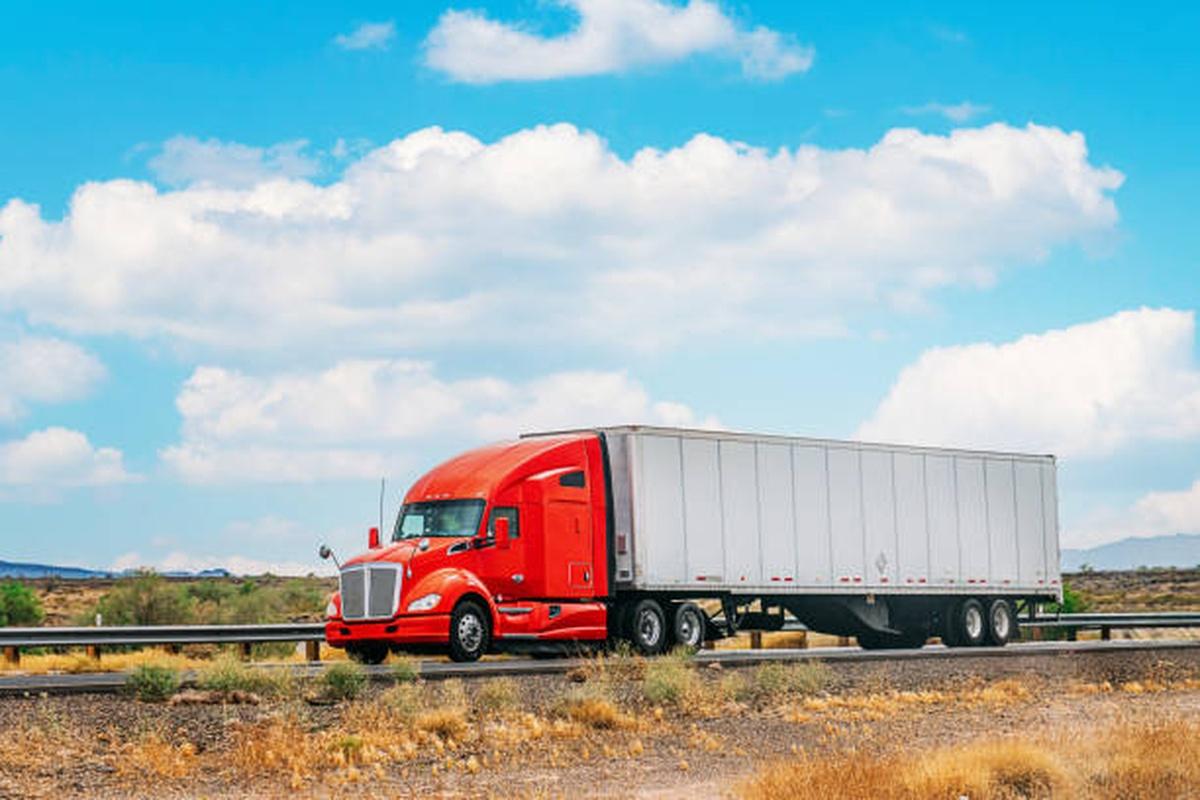
The Reliability Record: Maintaining 99% On-Time Logistics Services
Achieving and maintaining a 99% on-time delivery record requires dedicated asset ownership, real-time dispatch tracking, and seamless port-to-door coordination designed specifically for island supply chains. Relying on dependable logistics services ensures that commercial shipments move continuously from harbor berths to active jobsites without costly delays.
For Oahu businesses, construction developers, and retail managers, supply chain bottlenecks directly threaten project deadlines, store inventory, and bottom-line revenue.
When ocean containers stall at the port or freight misses a critical jobsite window, the ripple effect impacts entire commercial operations across the island. Partnering with established logistics service providers that operate their own fleet removes the unpredictability of third-party subcontracts and keeps cargo moving on schedule.
In this article, you will learn how local fleet control drives distribution precision, how port interchange agreements eliminate transit friction, and how specialized logistic services protect your operational timeline. Here is how asset-backed coordination keeps Hawaii’s supply chain running smoothly.
The Operational Foundation of On-Time Logistics Services
Modern logistics services represent the complete end-to-end management of moving goods, materials, and equipment from arrival ports or warehouses directly to final destinations. Rather than simply driving freight from one point to another, a comprehensive service integrates container drayage, specialized trucking, inventory staging, and final-mile delivery into a unified operational system.
For Oahu business owners, project managers, and site supervisors, maintaining predictable freight flow is essential due to the island's isolated geography and tight delivery schedules.
When shipments miss arrival windows, construction crews stall, retail shelves sit empty, and operational costs multiply rapidly. Investing in professional logistics services protects your business against costly downtime, maintains inventory consistency, and provides single-point accountability for every piece of cargo.
Working with experienced logistics services providers ensures that complex port protocols, security clearances, and specialized equipment requirements are expertly managed before delays impact your bottom line.
A dedicated transportation infrastructure provides distinct operational advantages for island enterprises:
- Port-to-Door Efficiency: Streamlines container transfers through established interchange agreements with major maritime carriers.
- Specialized Fleet Access: Matches precise cargo demands—such as temperature-sensitive retail items—with dedicated equipment like dry and refrigerated box trucks.
- Supply Chain Predictability: Eliminates the guesswork of freight movement through dedicated local dispatching and real-time route management.
A widespread misconception among commercial buyers is that relying on third-party freight brokerage services offers the same reliability as working with an asset-based carrier. In reality, middleman brokerages often lack direct control over trucks and drivers, leaving your shipments vulnerable to sudden equipment shortages and dispatch delays.
The 99% Standard: How Asset-Based Logistics Services Maintain Precision
Maintaining a 99% on-time delivery metric in island freight transport demands strict operational discipline, direct fleet control, and proactive port coordination. Leveraging comprehensive logistics services allows businesses to bypass common supply chain bottlenecks and establish a dependable flow of goods across Oahu.
Below is the step-by-step framework asset-based carriers use to eliminate delays, protect cargo integrity, and maintain unmatched transport reliability.
Step 1: Port-to-Gate Coordination and Container Drayage
The foundation of island logistics begins at the harbor terminals. Ocean containers arriving at the Port of Honolulu or Kalaeloa Barbers Point require swift pickup to avoid costly demurrage fees and container yard delays.
- Carrier Interchange Integration: Maintaining active interchange agreements with major maritime lines ensures immediate container clearance upon vessel discharge.
- Rapid Port Clearance: Direct dispatch coordinates chassis availability and driver scheduling to pull containers as soon as they hit the dock.
- Pre-Routing Protocols: Route planning accounts for peak harbor traffic and gate congestion to ensure smooth transit out of industrial port zones.
By executing seamless daily container drayage, carriers prevent container bottlenecks before they impact your downstream distribution schedule.
Step 2: In-House Fleet Dispatch and Equipment Matching
Relying on a dedicated, company-owned fleet is the single most critical factor in guaranteeing scheduled arrival times. Unlike third-party 3pl freight brokerage arrangements that depend on available market drivers, asset owners maintain direct control over equipment assignment.
- Right-Sized Vehicle Selection: Cargo is matched to the exact vehicle requirement—whether deploying flatbed trailers for structural materials or enclosed dry vans for commercial goods.
- Pre-Trip Mechanical Audits: Rigorous in-house maintenance routines prevent roadside breakdowns and equipment failures during critical delivery runs.
- Direct Driver Communication: In-house dispatchers maintain real-time contact with local drivers to adjust routes dynamically around unexpected traffic accidents or road closures.
Direct fleet management ensures every shipment moves under the supervision of a dedicated local team committed to on-time execution.
Step 3: Staging, Warehousing, and Freight Buffering
Supply chain disruptions often occur when jobsites or retail stores are not immediately ready to receive cargo upon harbor arrival. Secure local warehousing provides a crucial operational buffer.
- Flexible Freight Staging: Staging incoming inventory at a central Kapolei facility allows materials to be delivered in precise jobsite phases rather than overwhelming the receiving site.
- Cross-Dock Efficiency: Rapid sorting and pallet consolidation streamline the transition from bulk container arrivals to final-mile delivery trucks.
- Specialized Cargo Handling: Utilizing specialized equipment like forklift delivery services ensures heavy or palletized loads are safely unloaded at locations lacking permanent loading docks.
Strategic staging eliminates jobsite clutter while keeping materials secure and ready for immediate deployment when site managers request them.
Step 4: High-Security and Complex Final-Mile Delivery
Final-mile transportation across Oahu frequently involves stringent access protocols, tight urban corridors, or specialized security clearances that require experienced handling.
- Secure Facility Access: Professional drivers hold necessary security credentials and understand TWIC and base access protocols for deliveries to military installations and government facilities.
- Off-Hour Urban Logistics: Scheduling deliveries during off-peak hours allows trucks to navigate congested commercial corridors like Waikiki and downtown Honolulu without transit delays.
- Specialized Offloading Capabilities: Employing lift-gate equipment and inside-delivery protocols ensures cargo is safely positioned exactly where the client needs it.
Partnering with established logistics service teams guarantees that even the most complex final-mile delivery requirements are met with precision, safety, and complete regulatory compliance.
Island Operations in Action: Real-World Logistics Services Application
Seeing how structured logistics services operate in everyday commercial scenarios illustrates the practical value of asset-backed island transportation. Here is how local enterprises leverage precise fleet coordination to overcome real-world supply chain challenges across Oahu:
- Commercial Construction Firm (Campbell Industrial Park): A major developer needed pre-cast concrete components delivered to an active jobsite according to a strict crane hoisting schedule. Delayed shipments risked costly downtime for specialized rigging crews and heavy equipment operators.
The project manager partnered with an asset-backed logistic service provider to deploy dedicated flatbed and drop-deck trailers directly from the harbor. All structural materials arrived within exact 15-minute delivery windows, eliminating idle labor costs and keeping the building schedule on track.
- National Retail Chain (Honolulu Locations): A regional merchandise buyer faced severe store inventory shortages during peak seasonal shopping due to port congestion.
By contracting experienced logistics service providers with daily drayage rights, ocean containers were cleared immediately upon arrival and cross-docked into local box trucks. The retail outlets received full stock replenishment within 24 hours of vessel discharge, preventing lost sales revenue.
- Military Base Housing Contractor (Schofield Barracks): A government vendor required coordinated final-mile delivery of bulky appliances into restricted residential quarters. Utilizing badged drivers equipped with lift-gate trucks ensured 100% compliance with base access protocols and zero drop-off delays.
These practical operational examples prove that dedicated fleet management solves complex shipping friction, protects project timelines, and delivers dependable results for Hawaii businesses.
Strategic Best Practices for Optimizing Island Logistics Services
Translating supply chain theory into operational performance relies on implementing proven, field-tested management practices. Applying these strategic insights ensures your company leverages professional logistics services efficiently while safeguarding your cargo against unforeseen island transit delays:
- Verify Direct Asset Ownership Over Freight Brokerage: Working with asset-based transportation partners guarantees direct control over trucks, chassis, and drivers.
Unlike non-asset freight brokerage companies that rely on variable subcontracts, owning the fleet ensures guaranteed equipment availability during peak shipping periods and eliminates unexpected cancellation risks.
- Align Port Clearance with Active Interchange Agreements: Ensure your carrier maintains established interchange agreements with major ocean lines like Matson and Pasha. Direct harbor access prevents container holding fees and accelerates port-to-warehouse drayage times.
- Stage Oversized Freight at Local Warehousing Hubs: Staging heavy materials or retail inventory at a central Kapolei facility prevents jobsite congestion and allows phased deliveries.
Utilizing flexible short-term storage solutions provides a reliable buffer against shipping schedule shifts, ensuring materials arrive exactly when site crews require them.
- Pre-Clear Security Requirements for Sensitive Destinations: High-security delivery zones like military installations or government facilities require specialized driver badging and access credentials. Confirming your carrier’s compliance before dispatch avoids gate turn-aways and keeps your delivery schedule intact.
Adopting these practical operational standards maximizes supply chain efficiency, lowers risk exposure, and ensures your commercial cargo arrives safely and on schedule every time.
Powering Your Supply Chain with Reliable Logistics Services
Maintaining a 99% on-time delivery metric requires an integrated approach to logistics services that combines direct fleet control, seamless port drayage, and dedicated local warehousing.
You now understand how asset ownership eliminates the risks of third-party middlemen and how proactive port coordination keeps commercial shipments moving continuously across Oahu. Partnering with a proven asset-backed carrier ensures your business avoids costly project delays, protects customer satisfaction, and maintains total supply chain control.
Partnering with an experienced local fleet owner turns shipping complexities into a competitive advantage for your commercial operations. Securing your island transport network today ensures your freight moves safely, efficiently, and strictly on schedule.
Ready to streamline your island supply chain and protect your delivery timeline? Partner with Oahu's trusted transportation experts for comprehensive logistics services tailored to your specific commercial freight needs.
Frequently Asked Questions About Oahu Logistics Services
How do asset-backed logistics services achieve a 99% on-time delivery rate?
Asset-backed carriers maintain direct control over company-owned trucks, specialized trailers, and local dispatch teams rather than relying on third-party drivers. This physical infrastructure eliminates equipment shortages, ensures immediate container pickup from harbor terminals, and enables real-time route adjustments.
Combining dedicated fleet management with established port interchange agreements guarantees predictable transport schedules across Oahu.
What is the difference between an asset-based carrier and freight brokerage companies?
An asset-based carrier owns its fleet, employs dedicated local drivers, and operates dedicated warehousing facilities, providing single-point accountability for your cargo.
In contrast, non-asset freight brokerage companies act as middlemen, contracting third-party drivers to move shipments. Working directly with asset owners eliminates middleman markup, reduces communication delays, and ensures consistent equipment availability during high-demand shipping cycles.
Can logistics service providers handle specialized or high-security deliveries on Oahu?
Yes, professional island carriers maintain specialized equipment—including flatbeds, drop-deck trailers, and lift-gate box trucks—to handle oversized, heavy, or delicate cargo. Drivers also possess required TWIC credentials and security clearances for seamless access to military installations, government facilities, and restricted commercial sites. Utilizing specialized military base delivery options ensures total regulatory compliance without final-mile transit delays.
How does port-to-door drayage prevent supply chain bottlenecks for local businesses?
Direct container drayage coordinates harbor pickups immediately upon vessel discharge at the Port of Honolulu or Kalaeloa. Established interchange agreements with major ocean lines allow carriers to pull containers rapidly, bypassing harbor storage fees and port congestion. Cargo is then transported directly to jobsites or cross-docked into local delivery trucks, keeping commercial inventory and construction timelines on schedule.
About the Author
Ryan Malaluan, CAPM®, is an SEO & Content Strategist with over 8 years of experience in SEO, content strategy, and digital marketing. He holds a Bachelor of Arts in Literature and is a Certified Associate in Project Management (CAPM®). Throughout his career, Ryan has worked with brands including Spacer, Airtasker, Marlee (formerly Fingerprint for Success), VEED.IO, and ROSEMET LLC, as well as several digital marketing agencies, helping businesses strengthen their organic visibility through strategic, results-focused SEO and content.