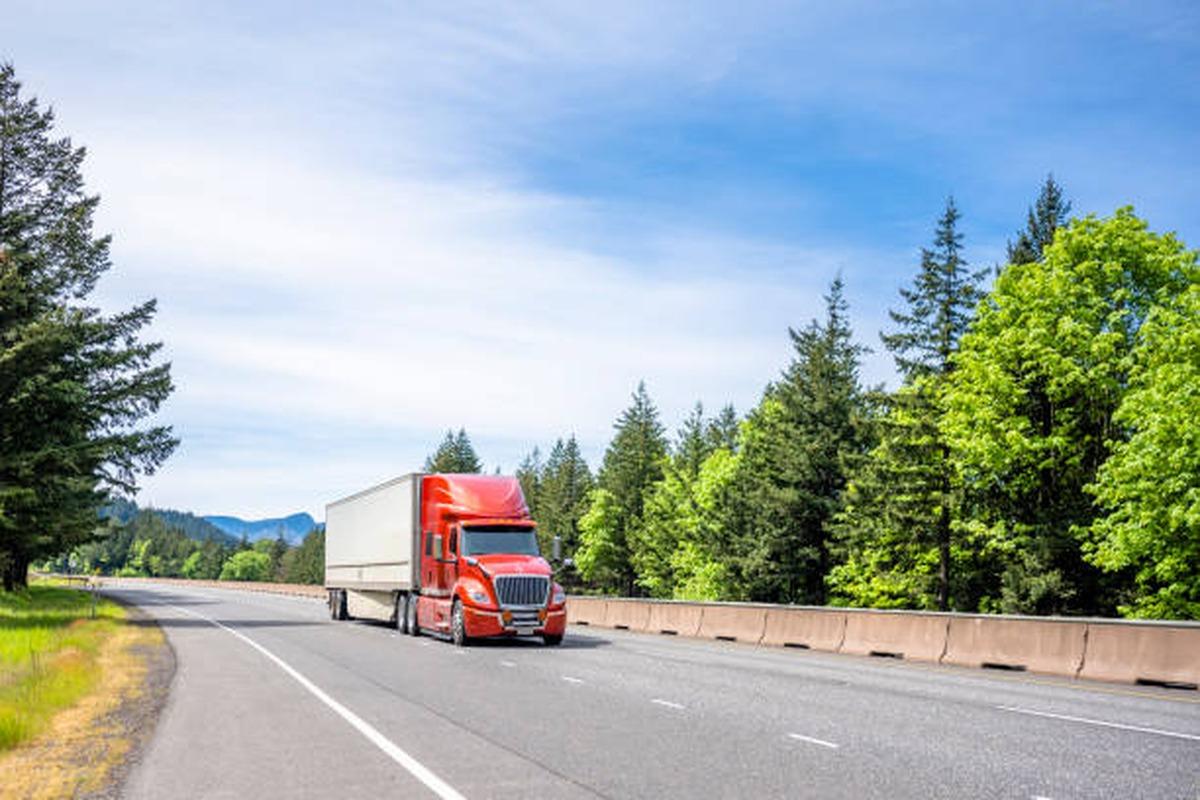
Seamless Interchanges: Keeping Intermodal Freight Moving on Time
Streamlining your intermodal supply chain relies on maintaining seamless equipment interchanges between maritime carriers and local trucking fleets at the port. Bottlenecks during container drop-offs or pickups at Oahu ports can quickly stall commercial projects, triggering expensive container demurrage fees and supply chain shutdowns across the island.
Managing complex intermodal freight transfers requires a dedicated local partner with active carrier interchange agreements and a specialized fleet. Coordinating intermodal shipping through professional drayage services bridges the gap between ocean cargo vessels and land-based delivery sites, ensuring freight moves safely and without costly port delays.
In this article, you will discover how authorized carrier interchanges eliminate port friction, how specialized fleet equipment handles complex cargo requirements, and how local staging optimizes last-mile delivery. Here is how to keep your island supply chain moving efficiently.
Understanding Intermodal Freight and the Critical Role of Carrier Interchanges
In island logistics, an intermodal transfer is the seamless movement of cargo using multiple modes of transportation—primarily ocean container ships and land-based trucking fleets—without directly handling the freight inside.
Cargo remains sealed in standardized steel containers from its origin point, moving smoothly from ocean vessels to specialized chassis trailers for highway transport. Maintaining established intermodal freight transportation protocols ensures that goods transition rapidly from port docks to local roadways.
This process matters tremendously in Hawaii because isolated island supply chains rely entirely on maritime arrivals at the Port of Honolulu and Kalaeloa Barbers Point Harbor. For commercial developers, retail operations, and government contractors, any disruption during container offloading directly impacts project schedules and bottom lines.
Partnering with a logistics provider offering daily container drayage prevents costly container storage penalties, eliminates port congestion, and ensures essential materials reach their destination on time.
Mastering intermodal transfers delivers tangible operational advantages:
- Elimination of Port Demurrage: Fast container pickups prevent daily storage fees assessed by maritime terminals on late cargo.
- Continuous Supply Chain Flow: Utilizing specialized flatbed drop-deck trailers allows heavy or oversized containerized equipment to move immediately from dockside to job sites.
- Enhanced Cargo Protection: Keeping freight sealed inside original shipping containers minimizes handling risks, weather exposure, and transit damage.
A common misconception is assuming any local trucking provider can pull containerized ocean freight. Without active interchange agreements with major ocean carriers like Matson and Pasha, uncertified carriers cannot access port terminals, leading to costly delays and stalled shipments.
Key Strategies for Maintaining Efficient Intermodal Freight Operations
Managing a successful intermodal supply chain in Hawaii requires coordinating maritime vessel schedules, port terminal operations, and land-based highway transport. Implementing structured operational strategies allows logistics managers to eliminate port delays, protect high-value cargo, and maintain predictable delivery timelines across Oahu.
1. Maintain Active Port Interchange Agreements
The most critical requirement for smooth intermodal container shipping is holding active Equipment Interchange Agreements (EIAs) with major ocean carriers such as Matson, Pasha Hawaii, and Young Brothers. These official agreements authorize a drayage provider to pull shipping containers directly from port terminals using certified chassis equipment.
Partnering with an authorized logistics provider capable of handling daily container drayage ensures your ocean containers are retrieved the moment they clear customs. Maintaining seamless carrier integration eliminates port bottlenecking and prevents costly terminal storage penalties.
2. De-Consolidate and Inspect Freight at Local Staging Hubs
Unpacking containerized cargo in a secure warehouse setting before final delivery reduces job site clutter and prevents damage to delicate items. Bringing containers directly to a local Kapolei warehouse allows teams to verify piece counts, perform quality checks, and sort cargo by installation phase or store location.
Utilizing specialized break-bulk distribution enables loose or palletized cargo to be organized systematically. De-consolidating freight off-site ensures that final deliveries arrive at commercial job sites in clean, manageable batches.
3. Deploy Climate-Controlled and Specialized Fleet Equipment
Not all containerized freight can be transported using standard dry trailers. Temperature-sensitive food products, medical supplies, and oversized industrial materials require specialized transport equipment to maintain safety and compliance during the land-based leg of intermodal logistics.
Deploying climate-managed assets like dry & refrigerated box trucks ensures perishable cargo remains within strict temperature tolerances between port discharge and final warehouse or retail receiving docks.
4. Optimize Final-Mile Delivery with Specialized Equipment
Navigating tight urban retail corridors in Honolulu or rugged construction zones across Oahu requires matching transport vehicles directly to receiving site constraints. Dropping heavy pallets without proper offloading equipment causes severe traffic delays and risks material damage.
Integrating specialized offloading capabilities—such as trucks with hydraulic lift-gates or truck-mounted mobile forklifts—ensures safe unloading at locations without permanent receiving docks or heavy machinery.
5. Secure Pre-Cleared Access for High-Security Terminals
Delivering containerized intermodal freight to government facilities, military bases, or naval yards requires strict adherence to security protocols and pre-cleared driver credentials. Without proper base access, freight drivers can be turned away at security gates, leading to missed delivery windows and added cartage costs.
Working with an experienced, locally owned transportation partner guarantees that drivers hold necessary security credentials, ensuring seamless, uninterrupted final-mile delivery to military facilities across Oahu.
Real-World Applications: Keeping Intermodal Freight Moving on Oahu
Seeing how organized carrier interchanges work in daily island operations highlights the practical advantages for Hawaii businesses. Transitioning from abstract shipping logistics to real-world execution demonstrates how local companies maintain supply chain momentum.
- Managing Oversized Equipment Transfers for Kapolei Construction: A commercial contractor needed to transport heavy structural steel arriving in open-top containers at the Port of Honolulu.
By coordinating rapid intermodal container pickup with specialized flatbed trucks, the heavy materials were transferred directly from dockside chassis to lowboy trailers. This seamless transition prevented port storage penalties and delivered critical building supplies to the job site on schedule.
- Streamlining Perishable Retail Shipments to Waikiki: A regional grocery distributor faced strict delivery windows for refrigerated ocean containers arriving from the mainland. Working with an authorized intermodal freight drayage team allowed the sealed reefer containers to be pulled immediately upon port release.
The temperature-controlled cargo was delivered directly to Waikiki receiving docks without breaking the cold chain, preventing product spoilage and maintaining store inventory.
- Coordinating High-Security Military Deliveries to Schofield Barracks: An industrial supplier managing government contracts required reliable intermodal shipping for containerized machinery bound for central Oahu. Utilizing pre-cleared drivers and dedicated drayage chassis ensured swift terminal departure and compliant entry through military base gates.
These real-world examples prove that establishing authorized port interchange connections reliably eliminates logistical friction and keeps island supply chains moving without delay.
Pro-Tips for Streamlining Your Intermodal Logistics
Applying these practical drayage strategies ensures your intermodal cargo moves smoothly from ship to shore without unexpected delays or storage fees. Implementing these best practices turns complex port operations into a predictable, cost-effective logistics workflow.
- Confirm Carrier Interchange Credentials Before Booking: Verify that your drayage partner maintains active Equipment Interchange Agreements (EIAs) with major ocean carriers like Matson and Pasha. Without authorized credentials, drivers cannot access terminal gates, causing your intermodal freight shipments to sit at the port and accrue daily storage fines.
- Pre-Clear Customs and Port Documentation Early: Submit bill of lading details and customs releases to your drayage provider prior to vessel arrival at Honolulu terminals. Early documentation processing enables instant container retrieval as soon as containers are discharged, keeping your intermodal shipping timelines strictly on schedule.
- Match Offloading Fleet to Receiving Site Constraints: Verify destination unloading capabilities before scheduling final delivery. Utilizing specialized equipment like lift-gate delivery trucks ensures smooth unloading at commercial job sites or retail locations that lack dedicated loading docks or heavy forklift machinery.
- Stage Containers Off-Site to Avoid Job Site Congestion: Instead of dropping full ocean containers directly onto cramped job sites, route containerized cargo to a local Kapolei warehouse first. De-consolidating freight off-site allows materials to be sorted and delivered in manageable batches, keeping work zones clear and safe.
Adopting these expert strategies eliminates unnecessary friction at the port, protects cargo integrity, and maximizes the overall efficiency of your island supply chain.
Maintain Total Control Over Your Intermodal Supply Chain
Streamlining your intermodal supply chain relies on establishing seamless equipment interchanges, securing pre-cleared port access, and utilizing a versatile fleet for final-mile delivery across Oahu. By coordinating your intermodal freight movement through a certified local logistics provider, you eliminate costly terminal storage penalties and keep essential commercial materials moving without delay.
Taking proactive control of your port-to-door transportation today secures your operational timelines and protects your cargo from unexpected delays. Partnering with a trusted, locally owned transportation specialist provides the physical infrastructure, active ocean carrier interchange agreements, and fleet versatility needed to manage your island logistics with complete confidence.
Ready to eliminate port bottlenecks and optimize your island container drayage? Learn more about our specialized daily container drayage services or contact the experienced Kapolei team at Preferred Transportation Services today.
Frequently Asked Questions About Intermodal Freight Logistics
What is the role of drayage in intermodal shipping?
Drayage provides the essential ground transportation link in intermodal logistics, moving containerized cargo over short distances between maritime ports, rail terminals, and local warehouses. Coordinating specialized intermodal drayage ensures that ocean shipping containers are retrieved immediately upon port discharge, preventing daily storage fines and keeping local supply chains moving smoothly across Oahu.
How do interchange agreements affect intermodal freight transportation?
Interchange agreements grant licensed trucking carriers authorized access to ocean terminals and carrier-owned equipment. Without active interchange agreements with major maritime carriers like Matson or Pasha, drayage drivers cannot retrieve containerized intermodal freight, causing severe cargo delays and triggering costly terminal demurrage fees for commercial shippers.
Can specialized or oversized cargo be transported via intermodal containers?
Yes, specialized cargo can be accommodated using open-top, flat-rack, or climate-managed intermodal containers. Transporting heavy machinery or construction supplies across Oahu requires pairing specialized containers with appropriate fleet assets, such as flatbed drop-deck trailers, to ensure safe offloading and compliant highway transport.
How does local staging prevent intermodal container demurrage fees?
Staging containers off-site at a local Kapolei warehouse allows ocean containers to be returned to port terminals immediately after unloading. Quickly returning empty containers eliminates daily equipment usage fees and demurrage penalties while allowing cargo to be de-consolidated and delivered to job sites in managed batches.
About the Author
Ryan Malaluan, CAPM®, is an SEO & Content Strategist with over 8 years of experience in SEO, content strategy, and digital marketing. He holds a Bachelor of Arts in Literature and is a Certified Associate in Project Management (CAPM®). Throughout his career, Ryan has worked with brands including Spacer, Airtasker, Marlee (formerly Fingerprint for Success), VEED.IO, and ROSEMET LLC, as well as several digital marketing agencies, helping businesses strengthen their organic visibility through strategic, results-focused SEO and content.