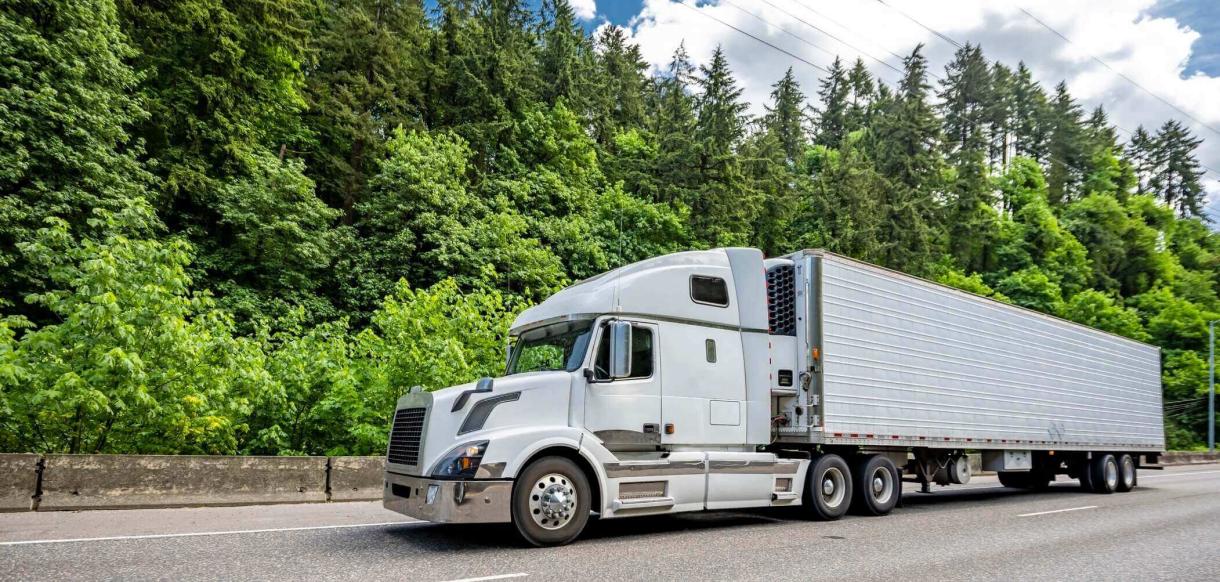
Seamless Port Integration: How Our Intermodal Interchange Works
Navigating Hawaii's supply chain requires a reliable bridge between ocean freight and land transport, making efficient intermodal container shipping essential for island businesses.
At Preferred Transportation Services, our interchange agreements with major ocean carriers ensure your cargo moves seamlessly from ship to shore without costly delays. Understanding what intermodal transportation is is simple: it is the movement of freight using multiple modes of transport—such as cargo ships and specialized trucks—within a single, standardized container.
For Oahu’s commercial developers, retailers, and freight forwarders, even a minor delay at the Port of Honolulu can cause ripple effects that stall job sites or leave store shelves empty.
Understanding how intermodal transport works gives you complete visibility over your supply chain, preventing unexpected port demurrage fees and ensuring your critical goods arrive safely and on schedule.
In this guide, you will learn how our established port interchange agreements, local drayage fleet, and Kapolei-based operations work together to keep your freight moving smoothly across Oahu. Let’s look at how this seamless process operates from port arrival to final delivery.
What Is Intermodal Freight Transportation and Why Does It Matter for Oahu?
At its core, intermodal freight transportation is the process of moving cargo in a standardized shipping container using two or more modes of transport—such as ocean freight vessels and heavy-duty trucks—without handling the freight itself when changing modes.
When a container arrives at the Port of Honolulu, it transitions directly from the cargo ship onto a truck chassis. This seamless handoff defines what does intermodal mean in trucking: a streamlined system where ocean carriers and ground logistics providers work in tandem to deliver goods safely and efficiently across the island.
Understanding the intermodal transportation definition is critical for Oahu businesses that rely on precise delivery timelines. Because Hawaii relies heavily on imported goods, any friction between maritime transit and local road transport can lead to expensive container storage fees, missed deadlines, and disrupted operations.
Utilizing specialized daily container drayage allows island businesses to bypass these costly supply chain bottlenecks, ensuring cargo flows directly from port terminals to job sites, retail shelves, or industrial warehouses without delay.
Working with an experienced local carrier that manages intermodal services delivers distinct operational advantages:
- Cost Efficiency: Eliminates the need to unpack and repack freight at the port, drastically reducing labor costs and risk of damage.
- Enhanced Security: Cargo stays locked within the original shipping container from the moment it leaves the port until it arrives at your facility.
- Supply Chain Continuity: Direct port integration ensures faster turnaround times, keeping inventory moving smoothly even during peak shipping seasons.
A common misconception is that all trucking companies can seamlessly pull containers directly from port terminals. In reality, retrieving ocean freight requires established carrier agreements and specialized hauling equipment like flatbed trucks for heavy or non-standard loads. Understanding how these port-to-ground transfers actually work sets the stage for a reliable logistics strategy.
How Our Intermodal Interchange Operations Work: A Step-by-Step Guide
Executing a flawless port transfer requires tight coordination, specialized equipment, and direct access to maritime terminals. To clarify how intermodal transportation works on Oahu, Preferred Transportation Services manages the entire handoff between ocean carriers and island roadways through a streamlined, secure system.
Here is the step-by-step process of how our intermodal terminal operations keep your ocean freight moving efficiently from ship to shore.
Step 1: Pre-Arrival Coordination and Carrier Interchange Agreements
Before a cargo ship even berths at the Port of Honolulu or Kalaeloa Barbers Point Harbor, our dispatch team is already at work. We maintain active interchange agreements with major ocean lines—including Matson, Pasha Hawaii, Aloha Marine Lines, NYK Lines, and Young Brothers.
These legal and operational agreements grant our drivers authorized access to port terminals and authorize us to pull equipment directly. By matching container manifests with client delivery schedules in advance, we eliminate port entry delays and avoid costly demurrage or storage fees before the container even touches the dock.
Step 2: Terminal Retrieval and Drayage Pickup
Once the vessel unloads, our certified drivers enter the port terminal to retrieve the assigned container. Understanding what is intermodal freight transportation in practice means recognizing the specialized ground movement required right at the dock.
Our drivers inspect the container seal, verify weight compliance, and secure the load onto an appropriate chassis. Whether moving a standard dry container or managing temperature-sensitive cargo using specialized dry & refrigerated box trucks for local cartage, our fleet ensures immediate port departure.
Logistics Tip: Ocean carriers enforce strict demurrage windows. Staging transport with an interchange-authorized local carrier before container arrival is the most effective way to eliminate unexpected port storage penalties.
Step 3: Secure Transit and Intermediate Staging
Once clear of the port gates, cargo is moved safely via Oahu's primary freight corridors. Depending on your job site's readiness or delivery schedule, freight follows one of two paths:
- Direct Port-to-Door Delivery: The container is hauled straight to your commercial site, retail center, or military base for immediate unloading.
- Staging at Our Kapolei Hub: If your site isn't ready to receive cargo, the container is safely brought to our facility at 1730 Kittyhawk Street in Kapolei. Here, we offer secure short-term storage solutions, giving you a flexible buffer against job site delays.
Step 4: Final-Mile Delivery and Specialized Offloading
The final leg of intermodal logistics is tailored entirely to your receiving requirements. Moving a container across the island is only half the job; unloading it safely at its final destination requires the right ground equipment.
For commercial developments without standard loading docks, we deploy specialized unloading gear—such as forklift delivery services or drop-deck trailers—to safely offload heavy machinery, building supplies, or palletized goods. If your shipment requires site placement, our team handles inside delivery or high-security military base entry with total compliance.
Step 5: Empty Container Return and Equipment Handoff
The intermodal transport loop is only complete when the ocean carrier's container and chassis are returned to the port terminal. After offloading, our drivers immediately transport the empty container back to the maritime yard within the carrier's specified free-time window. This prompt turnaround closes out the interchange agreement, protecting your business from detention charges and leaving the terminal ready for your next shipment.
Real-World Applications: How Island Businesses Utilize Intermodal Logistics
Putting intermodal container shipping into practice allows Oahu's leading industries to navigate complex supply chains with complete confidence. Here is how local businesses leverage our established interchange network and intermodal freight transportation to keep critical operations on schedule:
- Commercial Construction & Heavy Materials: A major developer in Kapolei faced tight construction milestones and needed pre-cast concrete and building supplies delivered straight from arriving ocean vessels.
By utilizing our direct drayage and flatbed drop-deck trailers, we pulled containers immediately upon dock discharge and staged deliveries to match job-site progress. This eliminated port storage penalties and kept the project on schedule without clogging the active work zone.
- Retail & Fast-Moving Consumer Goods: A national retail chain expanding its Honolulu footprint required daily inventory replenishment without holding massive local warehouse space.
Through our flexible intermodal container shipping services, we managed daily port pickups, temporarily staged containers at our Kapolei facility, and delivered store-ready pallets during precise off-peak hours. The store maintained fully stocked shelves throughout peak shopping seasons while minimizing overhead costs.
- High-Security Military Base Logistics: A defense contractor needed time-sensitive equipment moved from the Port of Honolulu to Schofield Barracks under strict security protocol.
Leveraging our credentialed drivers and established intermodal interchange access, we completed port retrieval and secure base transit in a single, compliant operation—preventing transit delays and ensuring mission readiness.
Whatever your industry demands, relying on proven port-to-door coordination ensures your freight moves efficiently, safely, and without administrative friction.
Best Practices for Managing Your Intermodal Freight on Oahu
Understanding how intermodal transportation works is only the first step; optimizing your logistics strategy ensures your business avoids unexpected delays and unnecessary port expenses. Applying these practical best practices helps you streamline your intermodal container shipping operations across Hawaii.
- Pre-Clear Ocean Documentation Early: Always submit bill of lading details and customs clearances well before the vessel berths at Sand Island or Barbers Point. Securing early clearance enables your drayage partner to pull containers immediately upon release, preventing port congestion delays and minimizing demurrage risks.
- Verify Access and Offloading Capabilities Ahead of Time: Confirm that your receiving facility can handle full-sized shipping containers. If your commercial location lacks a dedicated loading dock, schedule specialized lift-gate delivery or mobile forklift support to ensure ground-level offloading runs safely and smoothly.
- Coordinate Return Windows to Prevent Detention Fees: Freight containers must be returned empty to the ocean carrier within strict "free-time" windows. Work with a carrier that manages both pull-out and empty container return logistics to close the loop on your intermodal shipment before detention penalties begin.
- Leverage Local Staging for Fluctuating Job Site Timelines: If unexpected construction or store delays occur, avoid holding containers at the port terminal. Transition your freight to a local carrier's secure yard in Kapolei for temporary staging, protecting your cargo while maintaining control over final delivery timing.
Adopting these proactive measures protects your bottom line, streamlines intermodal transport, and ensures your freight moves reliably from port arrival to final placement
Streamline Your Oahu Logistics with Proven Intermodal Transport
Navigating island supply chains requires precision, established port relationships, and dedicated local assets. You now understand what is intermodal freight coordination and how leveraging an authorized carrier streamlines the transition from ocean vessels to island roadways.
By eliminating terminal delays, avoiding costly port storage fees, and utilizing specialized equipment, your business can maintain complete control over its cargo from dock to door.
Partnering with an experienced local carrier ensures your intermodal container shipping operations remain resilient against supply chain disruptions, keeping your job sites supplied and store shelves stocked. Protecting your bottom line starts with establishing a reliable port-to-door connection before your next shipment arrives at the harbor.
Whether you need time-sensitive cargo pulls from the Port of Honolulu or specialized final-mile delivery across Oahu, Preferred Transportation Services is ready to power your supply chain. Contact our Kapolei team today to schedule your intermodal services and experience seamless port-to-destination delivery
Frequently Asked Questions About Intermodal Logistics in Hawaii
What is intermodal transportation and how does it work on Oahu?
Intermodal transportation involves moving freight in a single standardized container across multiple modes of transit—specifically ocean vessels and heavy trucks—without unloading the cargo itself. On Oahu, containers arrive at the Port of Honolulu or Barbers Point, where a local drayage carrier uses interchange agreements to retrieve the container and haul it directly to commercial job sites, stores, or warehouses.
Define intermodal transportation versus multimodal shipping: what is the difference?
To define intermodal transportation clearly: it uses multiple carriers under separate contracts for each leg of the journey, giving you greater control over local land transport. Multimodal shipping uses a single contract covering all modes. Intermodal freight allows Oahu businesses to partner directly with a specialized local trucking company that manages port-to-door drayage and specialized offloading equipment.
What does intermodal mean in trucking for local businesses?
In ground freight, understanding what does intermodal mean in trucking refers to the specialized hauling of shipping containers between maritime port terminals and local land destinations. It requires specialized chassis, credentialed drivers for port access, and interchange authorization with ocean carriers to move containers safely across Oahu’s highways without repacking the freight inside.
How do interchange agreements simplify intermodal container shipping?
Interchange agreements are legal authorizations between ocean carriers (like Matson or Pasha) and local trucking companies. These agreements allow the trucking provider to pull the ocean line's container and chassis directly from the port gate. This seamless connection streamlines intermodal freight transportation, preventing port congestion delays and helping businesses avoid costly demurrage fees.
What happens if my job site is not ready for container delivery?
If your commercial location or job site experiences delays, your freight does not need to sit at the port incurring expensive storage fees. An authorized local carrier can retrieve the container upon arrival and move it to a secure local yard in Kapolei for flexible short-term storage, holding your cargo safely until your site is ready for final delivery.