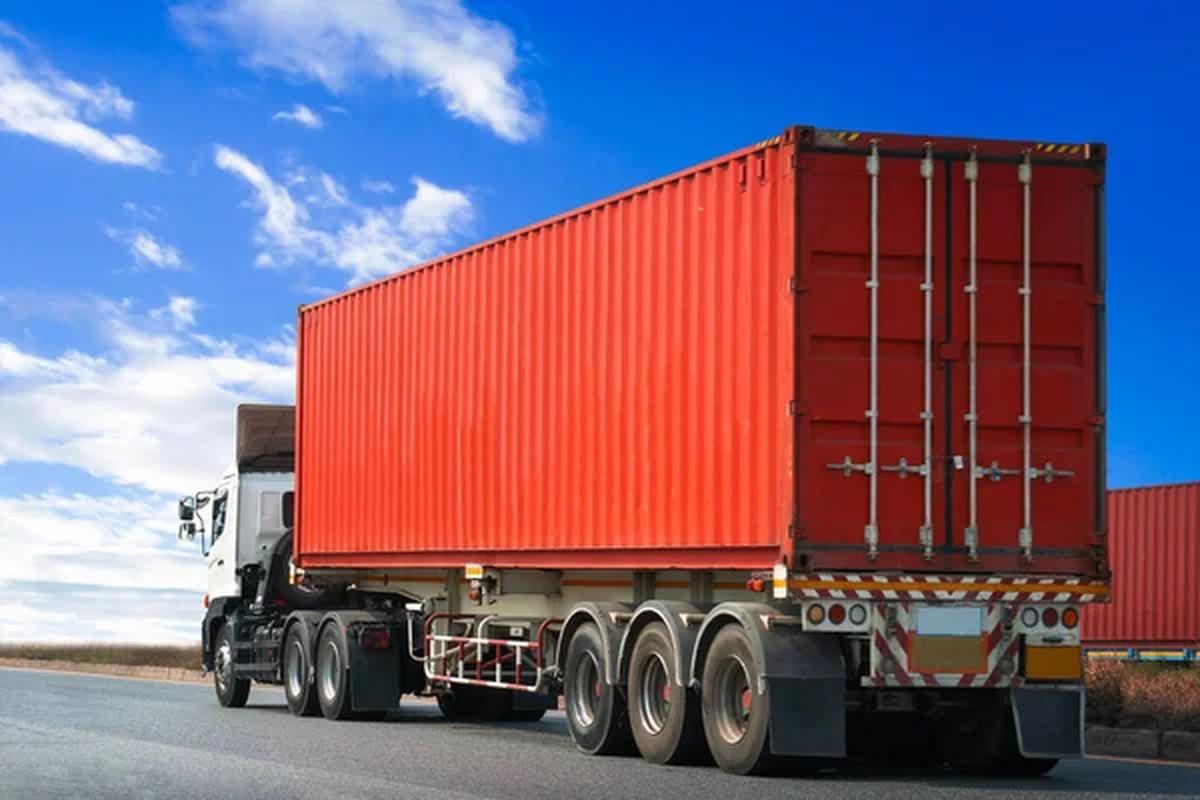
Secure and Timely: Professional Military Logistics During Peak Season
When peak PCS moves and supply demands hit Oahu, professional military logistics provides the essential asset control, security compliance, and port-to-base transport required to keep defense operations running without delay. Navigating strict base protocols and ocean transit timelines during high-volume periods requires dedicated local equipment and proven access credentials.
For service members, military families, and government contractors, shipping disruptions or delayed cargo mean missed deployment deadlines, operational downtime, and stressful housing transitions. Coordinating closely with supply networks managed by the defense logistics agency ensures vital supplies and personal property move smoothly from island ports to secure facilities.
In this guide, you will gain a clear understanding of how experienced Oahu transport providers handle base clearances, prevent peak-season delays, and safeguard sensitive freight. Let's explore how specialized military logistics keeps Hawaii’s defense supply chain secure and on schedule.
Understanding Military Logistics and Its Impact on Hawaii Defense Supply Chains
In specialized transportation, military logistics refers to the coordinated movement, storage, and secure delivery of defense equipment, household goods, and operational supplies to government installations.
On Oahu, this involves managing complex port-to-base transitions, adhering to strict security protocols, and maintaining continuous chain-of-custody tracking. It bridges maritime ocean transport with final-mile destination delivery across military bases, research facilities, and residential quarters.
For service members, military families, and defense contractors, efficient freight management directly impacts operational readiness and daily living. Delays during peak relocation seasons or training cycles can disrupt household setups, delay construction projects, or hold up critical gear coordinated through dla distribution.
Partnering with Preferred Transportation Services provides reliable local transport backed by established port interchange agreements and secure access capabilities. Utilizing dedicated assets, including versatile dry and refrigerated box trucks, ensures sensitive freight moves from Honolulu harbor to its destination without unnecessary handoffs or delays.
Working with an asset-based local specialist delivers practical advantages:
- Streamlined Base Security Clearance: Professional drivers possess verified credentials, eliminating gate delays and administrative holds at high-security installations.
- Continuous Chain of Custody: Direct asset ownership protects cargo integrity from port offloading to final staging.
- Peak Season Schedule Protection: Dedicated local fleets absorb volume surges during summer PCS moves and fiscal year-end supply cycles.
A common misconception is that standard civilian freight carriers can easily navigate base deliveries. In reality, strict gate credentials, specialized equipment requirements, and tight drop-off windows demand an experienced provider well-versed in the operational standards set by the defense logistics agency.
Operational Strategies for Managing Military Logistics During Peak Season
Executing reliable military logistics during peak shipping windows demands a combination of asset availability, strict security compliance, and precise island-wide transport coordination. Navigating the summer move surge and fiscal year-end inventory shifts on Oahu requires a structured operational approach that connects ocean shipping containers with final-mile base deliveries.
1. Streamlining Port Drayage and Immediate Freight Clearance
The foundation of timely defense transport begins at the harbor, where ocean containers arriving via Matson or Pasha must be cleared quickly to prevent port congestion.
- Rapid Container Transfer: Utilizing daily container drayage ensures that shipping containers move off the pier as soon as vessel unloading finishes. Having established interchange agreements with major ocean carriers eliminates administrative delays at the port gate.
- Direct Terminal Coordination: Immediate transport from harbor docks prevents costly demurrage fees and keeps critical freight moving toward staging areas or military bases without idling in port holding yards.
2. Navigating High-Security Base Gate Protocols
Delivering freight onto military installations like Schofield Barracks, Pearl Harbor, or Hickam Air Force Base requires total compliance with strict security entry guidelines.
- Credentialed Drivers and Approved Assets: Utilizing an asset-owned fleet with pre-vetted drivers streamlines security checks at commercial gates. Experienced carriers understand specific base access windows, vehicle inspection criteria, and required documentation.
- Coordinating Base Deliveries: Arranging dedicated military base and residential delivery ensures that household goods and operational equipment arrive directly at housing quarters, offices, or supply depots without gate refusals or administrative detours.
3. Deploying Versatile Equipment for Specialized Cargo
Defense shipments vary widely, ranging from palletized rations managed by dla troop support to heavy machinery and oversized structural components.
- Right-Sized Fleet Selection: Matching cargo with the appropriate truck—whether a dry box truck for sensitive electronics or a drop-deck trailer for heavy gear—prevents freight damage during island transit.
- On-Site Offloading Assistance: Sites without dedicated loading docks rely on specialized equipment like lift-gate delivery or mobile forklifts to safely unload palletized goods directly at the receiving facility.
4. Staging and Warehousing to Buffer Supply Chain Surges
Peak shipping periods frequently cause temporary backlogs or staggered delivery schedules, making secure local storage essential for freight control.
- Scalable Storage Solutions: Utilizing local short-term or long-term warehousing allows contractors and logistics managers to stage shipments until base receiving sites are ready.
- Inventory Control for Surplus and Disposition: Staging items destined for dla disposition services gives organizations a secure, controlled staging area to organize equipment before final processing or turn-in.
5. Managing Final-Mile and White-Glove Hand-offs
The final step in successful defense transport involves accurate placement and white-glove hand-off at the final destination.
- Inside Pick-Up and Delivery: Certain sensitive equipment or office materials require placement beyond the loading dock. Professional drivers manage the entire transition to ensure cargo is placed securely indoors.
- Complete Chain-of-Custody Verification: Final delivery receipts and clear communication provide full operational transparency for government contractors and logistics coordinators.
By integrating these core operational steps into your supply chain strategy, your organization can maintain complete control over its military logistics, ensuring every shipment on Oahu arrives safely, securely, and strictly on schedule.
Real-World Scenarios: How Military Logistics Keeps Oahu Supply Chains Moving
Examining how professional transport strategies function in daily island operations demonstrates the vital role of local asset control. These real-world scenarios highlight how specialized execution solves complex shipping challenges for defense personnel and government contractors.
- Relocating Service Members During Peak PCS Season: A military family moving to Oahu during peak summer turnover needed their household container delivered promptly to base quarters to avoid extended temporary housing costs.
The family partnered with a local provider capable of managing port drayage directly from Honolulu harbor to military housing. Utilizing specialized flatbed trucks for heavy containers and credentialed drivers for gate access, the team delivered the goods on schedule, eliminating delay fees and settling the family seamlessly.
- Managing Defense Supply Shipments Under Tight Deadlines: A government contractor needed to transport sensitive electrical inventory distributed via defense logistics agency channels to a secure site on base.
Facing strict drop-off windows, they deployed a credentialed local carrier with dedicated box trucks and lift-gate equipment. The carrier secured immediate gate clearance and placed the materials safely at the facility, avoiding project downtime.
- Staging Excess Materials for Turn-In: A defense facility needed to clear surplus equipment intended for dla disposition services but lacked immediate staging space. By utilizing secure local short-term storage, the facility held the goods safely until the turn-in window opened, maintaining total cargo accountability.
These practical applications show that reliable military logistics keeps Oahu's defense infrastructure running smoothly, giving organizations complete confidence in their island supply chains.
Actionable Best Practices for Managing Island Military Logistics
Applying proven operational strategies makes the difference between smooth, secure transport and costly delays at island gates. These practical insights will help you streamline cargo movements and protect your timeline when coordinating freight on Oahu.
- Verify Driver Credentials and Base Clearance Early: Ensure your transportation provider maintains pre-vetted drivers with active access credentials for major island installations. Whether you are shipping general goods or managing specialized orders from defense supply center columbus, verified gate access eliminates administrative holds and prevents truck idling at security checkpoints.
- Confirm Port Interchange Agreements: Partner with asset-based carriers that hold active interchange agreements with major ocean liners like Matson and Pasha Hawaii. Having direct port access allows for immediate container pickup upon vessel arrival, cutting down on demurrage fees and accelerating final-mile transit.
- Match Freight Requirements to Specialized Fleet Assets: Avoid blanket transport solutions by specifying cargo dimensions, temperature sensitivities, and offloading constraints upfront. Utilizing specialized equipment like flatbed drop-deck trailers guarantees safe, compliant transit for oversized defense machinery or heavy structural loads across island highways.
- Plan Around Seasonal Volume Spikes: Coordinate transport well in advance of peak summer PCS windows and fiscal year-end budget cycles. Early scheduling helps absorb island-wide volume surges driven by defense logistics programs, keeping your shipments on a strict, predictable timeline.
Adhering to these practical guidelines empowers your team to execute seamless military logistics, protecting sensitive cargo and ensuring total reliability across Oahu's defense network.
Securing Reliable Island Transport with Professional Military Logistics
Navigating peak-season freight surges requires a dedicated Oahu partner capable of executing secure, timely military logistics from harbor terminals directly to base gates. By combining asset-based fleet versatility, pre-vetted base security credentials, and direct port interchange agreements, local logistics providers eliminate costly gate delays and safeguard critical supply chains.
Whether you are managing seasonal relocations, coordinating specialized inventory from defense supply center Richmond, or staging equipment for government contracts, having a trusted local fleet ensures your cargo remains fully controlled and on schedule.
Taking action early protects your shipping timelines, reduces operational risk, and maintains continuous supply chain momentum during high-volume periods. Securing your island transport with an asset-backed local specialist gives your team full peace of mind that every delivery will meet strict defense standards.
When your defense freight demands absolute precision, rely on a locally owned Kapolei leader with the physical fleet and port access to get the job done right. Partner with the island's premier transport specialist by requesting a custom quote from Preferred Transportation Services to streamline your military logistics today.
Frequently Asked Questions About Oahu Military Logistics
How do local carriers handle security clearance for military base deliveries?
Local carriers handle base access by maintaining pre-vetted drivers and credentialed equipment ready for commercial gate inspections. Driver background checks, TWIC cards, and proper vehicle registration ensure smooth entry into restricted government facilities across Oahu. Partnering with a specialist experienced in military logistics eliminates gate turnaways and keeps critical shipments on schedule.
Can a local transport company assist with inventory managed by the Defense Logistics Agency?
Yes, local asset-based carriers frequently assist government contractors and defense personnel with transporting materials managed by the defense logistics agency (DLA). From port offloading at Honolulu Harbor to final-mile base delivery or temporary warehousing, dedicated local fleets provide complete chain-of-custody tracking. Utilizing specialized short-term storage options ensures inventory remains secure while awaiting final base receiving windows.
What equipment is required for moving oversized or heavy defense freight on island?
Moving heavy or oversized defense freight requires specialized flatbeds, drop-deck trailers, or heavy-hauling rigs capable of managing non-standard dimensions. For facilities without loading docks, mobile forklifts or lift-gate trucks are required for safe ground-level unloading. Working with an asset-owned local fleet ensures the right specialized equipment is deployed for your specific cargo.
Why is peak season particularly challenging for Hawaii defense supply chains?
Peak season presents unique challenges on Oahu due to the simultaneous surge in summer PCS military relocations and end-of-fiscal-year defense purchasing. This volume spike creates severe competition for local container drayage, port chassis, and warehouse space. Securing an established provider of military logistics early prevents harbor demurrage fees and keeps defense operations moving without disruption.
About the Author
Ryan Malaluan, CAPM®, is an SEO & Content Strategist with over 8 years of experience in SEO, content strategy, and digital marketing. He holds a Bachelor of Arts in Literature and is a Certified Associate in Project Management (CAPM®). Throughout his career, Ryan has worked with brands including Spacer, Airtasker, Marlee (formerly Fingerprint for Success), VEED.IO, and ROSEMET LLC, as well as several digital marketing agencies, helping businesses strengthen their organic visibility through strategic, results-focused SEO and content.