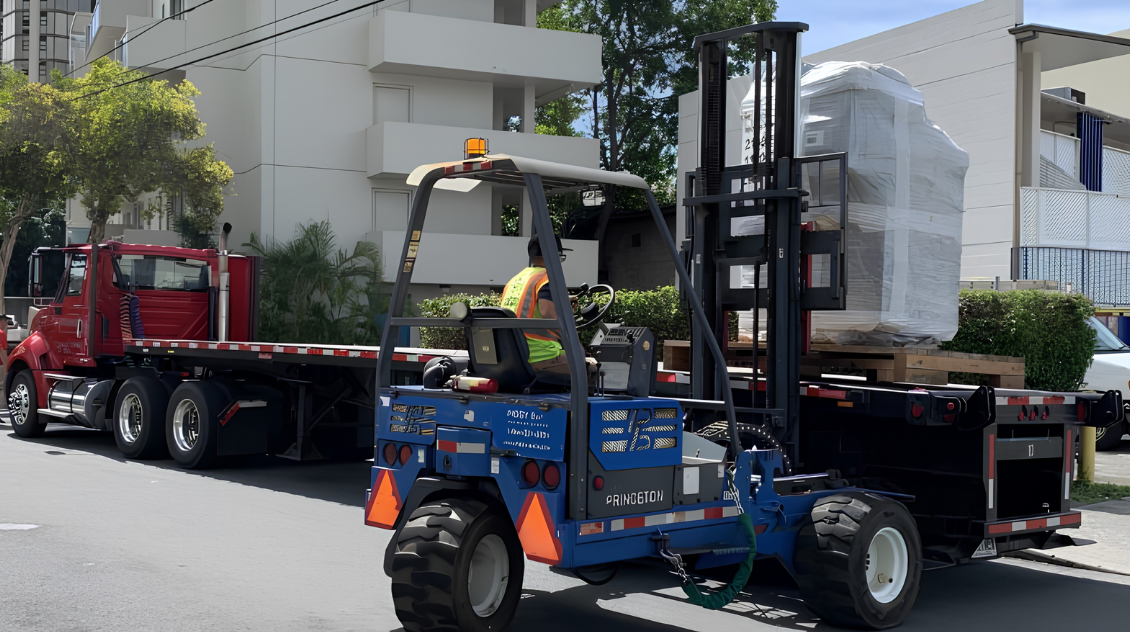
Staging for Success: Leading Last Mile Logistics Companies in Hawaii
Partnering with top-tier last mile logistics companies is the ultimate key to conquering Hawaii’s complex island geography and avoiding costly port delays or fractured customer handoffs.
Leading local freight providers ensure your cargo transitions seamlessly from maritime containers to its final destination by integrating a robust transportation management system to streamline local dispatch and routing.
For regional retailers, e-commerce brands, and industrial developers, final-mile execution errors do more than slow down operations—they ruin commercial partnerships, cause severe stock outages, and spark expensive project delays.
This guide reveals how premier last mile logistics companies structure their local cartage ecosystems to handle Oahu’s unique terrain. You will discover how a modern transport management system enhances final-mile visibility and how asset ownership keeps your supply chain resilient.
Let’s explore the infrastructure powering Hawaii’s final mile.
The Foundation of Final Mile Excellence in Hawaii
Last mile logistics is the final, crucial leg of the supply chain that moves freight directly from an island hub, port, or warehouse to its ultimate destination, such as a construction site, retail storefront, or residential doorstep.
In Hawaii, this process is heavily influenced by strict maritime arrival windows, ocean carrier discharge schedules, and unique local infrastructure constraints. Top-tier last mile logistics companies act as the physical link turning maritime cargo into delivered products, utilizing specialized vehicle fleets to handle the complex delivery needs of local industries.
For business owners managing supply chains on Oahu, final-mile efficiency directly affects both operational budgets and commercial reliability. Relying on an incomplete transport network often causes missed delivery windows, which leads to expensive project delays or out-of-stock retail shelves.
Securing a reliable provider for consistent retail deliveries helps protect your commercial partnerships by providing crucial structural benefits:
- Continuous Freight Coordination: Seamlessly links maritime carrier drop-offs with local flatbeds or box trucks to keep goods moving efficiently.
- Reduced Product Handling Damage: Minimizes secondary cargo shifting through direct, asset-heavy port-to-door transit.
- Flexible Operational Agility: Provides scalable warehousing options, including secure short-term storage to handle shipping delays or project adjustments smoothly.
A common misconception is that a digital transportation management system alone can fix final-mile bottlenecks. While software coordinates route data, it cannot replace physical assets or local experience.
Experienced last mile logistics companies know that navigating military bases, narrow city corridors, and rugged job sites requires both advanced technology and a capable physical fleet. Let's look closer at how these modern systems work together to manage complex logistics.
Key Capabilities to Evaluate in Last Mile Logistics Companies
Selecting the right partner from available last mile logistics companies requires looking closely at how physical assets combine with modern tracking software. When routing commercial freight through Hawaii's unique supply chain hubs, checking for specialized delivery options like retail deliveries ensures your cargo arrives safely and on time.
Leading logistics teams use an advanced transportation management system alongside physical fleet control to deliver deep visibility and reliable execution across Oahu.
To guide your evaluation of regional freight networks, look for these five foundational capabilities that differentiate professional final-mile transport providers from simple freight brokers.
1. Advanced TMS in Logistics Implementation
Understanding what is tms in logistics reveals how premier carriers keep their island fleets running efficiently. A robust transportation management system acts as the digital brain of a final-mile operation, managing route planning, dispatch timing, and automated freight documentation.
For local businesses, this specialized software eliminates manual communication delays by calculating optimal driving routes through Honolulu’s congested traffic corridors. Choosing a carrier that integrates a modern tms in logistics ensures your freight transitions smoothly from container arrival directly to local trucks without getting lost in administrative bottlenecks.
2. Comprehensive Supply Chain Visibility Platform Integration
A top-tier final-mile provider must offer real-time tracking updates across the entire local journey. Utilizing a modern supply chain visibility platform allows cargo owners to check live milestone updates and truck coordinates instantly.
This deep level of insight is incredibly valuable when managing time-sensitive or specialized freight destined for remote job sites, high-security zones, or complex commercial centers. Real-time software tracking allows your warehouse or retail management team to coordinate staff schedules effectively around verified delivery arrival times.
3. Integrated Warehousing and Staging Capabilities
True final-mile reliability requires access to dedicated regional storage space alongside active transport. High-performing carriers offer flexible, on-island warehouse options, including secure long-term storage options to manage supply chain fluctuations smoothly.
Having access to clean staging yards allows you to pull sea containers from the port quickly, break bulk cargo down onto pallets, and store materials safely until your job site or retail store is ready to accept them. This buffer space prevents expensive port demurrage fees and storage penalties when project timelines shift.
4. Fleet Versatility and Specialized Equipment Control
A standard box truck cannot handle every final-mile challenge on Oahu. Leading logistics teams maintain a diverse fleet of specialized equipment, such as flatbeds, drop-deck trailers, and temperature-controlled units, to move complex cargo safely.
If your commercial deliveries are headed to locations without an elevated loading dock, your provider must supply vehicles equipped for lift gate delivery to ensure safe, damage-free unloading. True fleet versatility means your carrier can move anything from fragile retail electronics to oversized building materials using their own in-house equipment.
5. Deep Knowledge of Local Routes and Compliance Rules
The final key to a successful delivery is having a team with extensive, on-island operational experience. Navigating the specific security procedures at Hawaii's military bases, negotiating tight urban alleys in downtown Honolulu, and driving through changing coastal weather requires local expertise. Professional local drivers handle these everyday challenges smoothly, keeping your deliveries on time and fully compliant with port safety protocols.
Evaluating these core capabilities helps you choose a logistics partner that keeps your business moving forward. Combining modern transit tracking with an asset-heavy physical fleet provides the stability and control needed to master Hawaii’s final mile.
Real-World Applications of Advanced Final-Mile Logistics
Examining how integrated transit technology pairs with real truck fleets shows how premier last mile logistics companies solve everyday supply chain challenges on Oahu. These real-world examples illustrate how local businesses keep their freight moving smoothly.
- Streamlining Retail Inventory Restocks: A regional electronics retailer with multiple storefronts across Honolulu struggled with uncoordinated delivery times, which caused missed sales opportunities and chaotic staff scheduling.
To resolve this, they partnered with a final-mile carrier utilizing an integrated transportation management tms network to optimize their route planning. By transitioning their inventory flow to a structured schedule for retail deliveries, the business secured reliable morning arrival times, cutting out-of-stock events by 35% and improving staff productivity.
- Synchronizing Commercial Construction Jobs: A commercial construction firm handling a multi-phase building project in Kapolei needed large volumes of heavy structural materials delivered exactly when installation crews were ready.
They selected a final-mile specialist that deployed a comprehensive supply chain visibility platform to provide live truck coordinates. This transparency allowed the project managers to arrange heavy mobile crane rentals right as the flatbeds pulled up, eliminating expensive equipment idling fees and keeping the project on schedule.
- Navigating High-Security Military Shipments: An industrial supplier shipping parts to Schofield Barracks used a carrier that integrated a modern tms supply chain tool to handle strict gate access windows. The local team cleared security checkpoints smoothly, ensuring an on-time drop-off that completely avoided border administrative penalties.
These examples prove that coordinating advanced digital systems with a capable physical fleet delivers reliable final-mile success across every industry in Hawaii.
Insider Strategies for Evaluating Local Delivery Networks
Applying these practical operational strategies helps you choose the best partner from available last mile logistics companies on Oahu. Implementing these checks saves your business from hidden delays and protects your shipments from unexpected port or handling fees.
- Audit the Carrier's Transport Management System: Ensure your final-mile provider uses an active transport management system to handle scheduling and route planning. A modern software platform prevents communication gaps by tracking your cargo's status from the moment it leaves the port until it arrives at your door.
- Insist on Live Logistics Visibility Software: Avoid carriers that rely on vague phone updates. Choosing a freight partner that integrates real-time logistics visibility software gives your logistics team live location data and milestone tracking, helping you coordinate your on-site receiving staff more efficiently.
- Confirm Total Ownership of the Delivery Fleet: Avoid middlemen or third-party freight brokers who pass your shipments off to subcontractors. Working with a company that owns its dry and refrigerated box trucks provides clear accountability and ensures your cargo is handled by experienced in-house drivers.
- Evaluate Port Interchange Capabilities: Confirm that your chosen carrier maintains active, established interchange agreements with all major ocean shipping lines like Matson and Pasha. This credential compliance allows their trucks to move containers out of the port quickly, bypassing terminal bottlenecks and avoiding expensive container storage penalties.
Using these simple vetting steps allows you to secure a reliable carrier that protects your bottom line and improves your supply chain efficiency.
Aligning Your Supply Chain for Ultimate Final Mile Success
In conclusion, mastering your island distribution depends on selecting a partner from the leading last mile logistics companies that can seamlessly pair physical fleet management with modern route planning technology.
By finding a freight team that integrates a robust tms transportation management system software platform alongside real-time supply chain visibility software, you gain complete control over your cargo from port arrival to the final customer drop-off.
Protecting your freight with an asset-heavy carrier minimizes handling risks, prevents costly demurrage delays, and ensures your project materials or retail store shelves stay consistently stocked. Taking charge of your final-mile logistics today shields your business from operational bottlenecks and delivers a more predictable bottom line across Oahu.
Partnering with an established logistics team located in Kapolei is the most dependable way to secure an efficient, stress-free final-mile transport strategy. Working with a dedicated carrier that controls its own versatile fleet of flatbeds and trucks eliminates the communication confusion of third-party shipping brokers.
Utilizing an in-house fleet equipped for inside pick-up and delivery guarantees your valuable commercial assets are handled with elite care at every stage of transit. If you are ready to update your logistics visibility and partner with one of the premier last mile logistics companies on Oahu, connect with the local logistics experts at Preferred Transportation Services to build your custom delivery plan today.
Frequently Asked Questions About Last Mile Logistics Companies
How does a modern transportation management system improve island deliveries?
A modern transportation management system optimizes delivery flow by replacing old manual tracking methods with precise, automated route scheduling. By calculating transit windows around Honolulu's worst peak traffic patterns, this active software allows premier last mile logistics companies to ensure their specialized trucks stay on tight delivery windows. This technology keeps your commercial cargo moving smoothly from container terminals straight to local stores or construction jobs.
Can logistics visibility software help prevent supply chain delays on Oahu?
Yes, using real-time logistics visibility software gives businesses immediate access to active truck coordinates and verified milestone updates. Instead of guessing when cargo will clear the arrival yard, inventory managers can use a live software platform to monitor transit transparently. This live data helps you coordinate your receiving crews and dock workers efficiently, completely eliminating empty warehouse downtime.
Why is fleet asset ownership important when comparing last mile logistics companies?
Working with last mile logistics companies that own their actual vehicle fleets guarantees direct operational control and true accountability over your cargo. Unlike standard logistics brokers who subcontract freight to third-party owners, an asset-heavy carrier uses its own local drivers and specialized equipment. This dedicated control ensures your sensitive inventory can be safely dispatched using reliable dry and refrigerated box trucks without any intermediate handling delays.