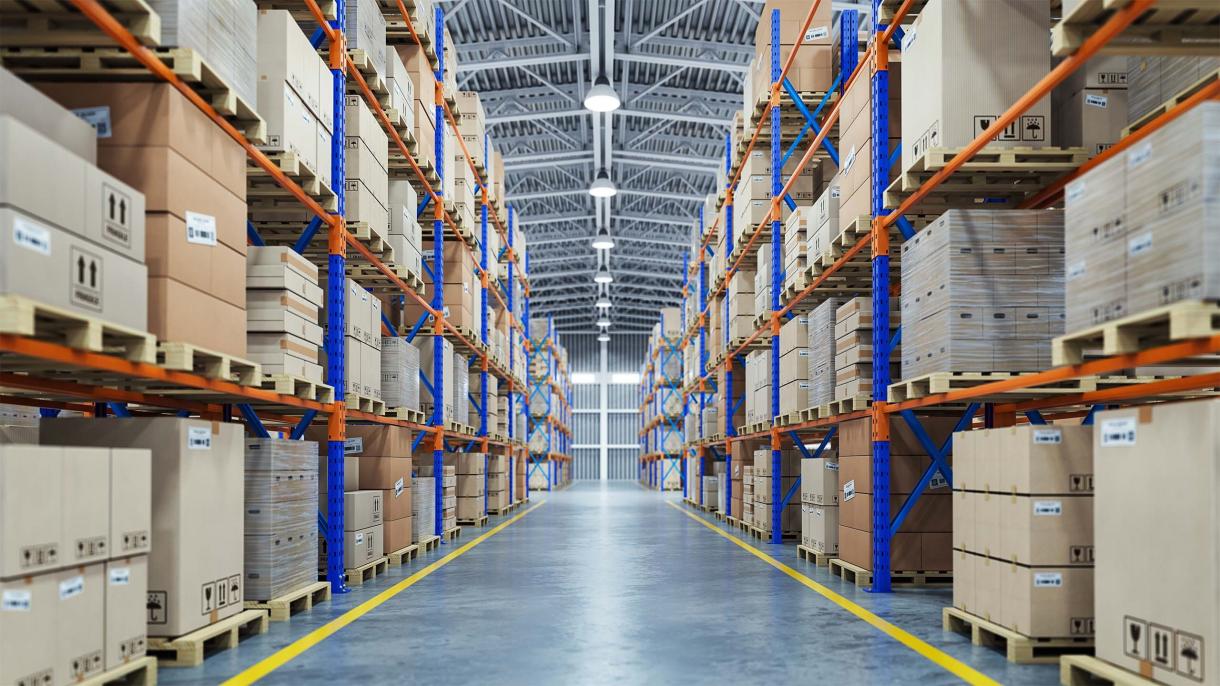
Staging for Success: Using Our Local Warehouse as a Strategic Buffer
Using a centralized local warehouse as a strategic supply chain buffer protects your business from shipping delays, ocean transit bottlenecks, and project site congestion. On Oahu, where island logistics depend heavily on port arrivals, unexpected ocean freight delays can immediately stall construction schedules or clear retail shelves.
Without a secure local facility to stage inventory and manage break-bulk freight, businesses face costly jobsite downtime and missed delivery deadlines. Partnering with a facility that enforces strict warehouse safety standards ensures your freight remains protected, organized, and ready for deployment. Adhering to rigorous warehouse safety guidelines keeps staged inventory secure and prevents product damage during handling.
In this guide, you will discover how leveraging a local warehouse streamlines final-mile distribution, mitigates island shipping risks, and protects your operational bottom line. Read on to learn how strategic inventory staging gives your business a competitive edge.
The Role of a Strategic Warehouse Buffer in Island Supply Chains
A logistics buffer is a dedicated, off-site storage strategy where goods are held, sorted, and staged before final delivery to commercial job sites, retail stores, or residential locations. Utilizing a secure warehouse facility allows businesses to absorb shipping fluctuations, consolidate bulk shipments from ocean containers, and release inventory only when destination sites are ready.
Rather than forcing direct port-to-door deliveries during congested work hours, an off-site staging facility creates a controlled intermediary step in the supply chain.
For commercial developers, retailers, and project managers across Oahu, maintaining an inventory buffer directly protects operational schedules and capital investments. Island logistics are inherently vulnerable to maritime weather delays, port congestion, and strict delivery time windows.
Attempting to ship oversized equipment or retail stock directly from Matson or Pasha containers to tight city jobsites often leads to costly demurrage fees, traffic bottlenecks, and project halts.
Operating under recognized warehouse safety standards ensures that delicate freight, heavy construction materials, and commercial stock remain safe, organized, and ready for immediate local dispatch.
Key advantages of utilizing a local staging strategy include:
- Elimination of Site Congestion: Prevents crowded construction zones or busy retail corridors from becoming cluttered with unneeded, excess inventory.
- Flexibility Against Port Delays: Holds stock locally so your operations continue uninterrupted, even if mainland shipping channels experience unexpected disruptions.
- Risk Mitigation: Enforcing established warehouse safety best practices reduces freight handling damage and protects high-value commercial assets.
A common mistake is assuming that direct port-to-site delivery is always the most cost-effective path. In reality, bypassing a local staging hub leaves your timeline exposed to unpredictable port clearance schedules and uncoordinated site arrivals.
How Staging Inventory in a Local Warehouse Drives Operational Efficiency
Using a localized staging facility transforms supply chain management from a reactive, high-stress rush into a controlled, predictable system. Staging freight in a secure warehouse provides commercial developers, retailers, and industrial operators with total control over when, where, and how their materials arrive at final destinations across Oahu.
Mitigating Island Supply Chain Vulnerabilities
Island logistics operate under unique constraints. Freight moving into Oahu relies heavily on ocean transport, making timelines vulnerable to Pacific weather conditions, vessel delays, and container yard congestion at Honolulu harbors.
- The Problem with Direct Shipping: When cargo ships directly from the port to a job site or retail floor, any unexpected delay halts crews, stalls installation schedules, and wastes paid labor hours. Conversely, if cargo arrives early without site readiness, offloaded materials sit exposed to theft, weather, and traffic obstruction.
- The Staging Solution: Staging goods in a central facility decouples ocean transit times from local installation schedules. Materials are received, inspected, and held until the destination site is fully prepared to receive them.
Streamlining Break-Bulk Distribution and Material Staging
Container drayage brings bulk cargo to the facility, where large ocean containers are unpacked, organized, and categorized. Rather than moving an entire 40-foot container to a tight downtown jobsite, logistics teams break down shipments into manageable, project-specific lots.
Working in a controlled staging hub allows teams to enforce strict warehouse safety procedures while organizing materials for staggered dispatch. Freight can be sorted by project phase, floor number, or specific department needs. When site managers request materials, local teams deploy versatile transport like dry & refrigerated box trucks or specialized flatbeds to deliver exact quantities right on time.
Preventing Jobsite Congestion and Financial Penalties
Urban jobsites in Honolulu and tight retail centers in Waikiki rarely have room to store excess pallets, pre-cast concrete, or bulky merchandise. Overcrowding a work area slows down construction personnel, increases safety hazards, and heightens the risk of accidental product damage.
Holding inventory off-site prevents crowding and eliminates expensive port demurrage fees. Ocean containers are pulled promptly from maritime terminals, devanned at the staging facility, and returned to ocean carriers before costly detention charges begin.
Protecting Cargo through Proactive Risk Management
Freight handling requires rigorous oversight to prevent inventory loss and damage. Conducting a comprehensive warehouse risk assessment ensures that high-value cargo, heavy industrial machinery, and delicate commercial inventory are handled using proper equipment, calibrated forklifts, and safe racking systems.
Adhering to strict warehouse compliance protocols keeps products secure against physical damage and environmental factors while in storage. By maintaining tight inventory tracking and standardized safety controls, a dedicated staging hub ensures every item leaves the facility in pristine condition, ready for immediate installation or sale.
Practical Use Cases: Leveraging a Local Staging Hub on Oahu
Transitioning from direct port deliveries to a dedicated staging model gives island businesses total operational control. Here is how different Oahu industries apply a local warehouse solution to streamline workflows and protect their bottom lines:
- Commercial Construction Projects: A Honolulu developer handling a high-rise project needed to receive interior fixtures in bulk without cluttering the active build site. By routing ocean containers to a central staging hub, the team unpacked, inspected, and held the materials in a controlled setting.
Enforcing strict warehouse safety guidelines ensured zero freight damage, while phased forklift delivery services brought exact quantities to the jobsite only when crews were ready for installation.
- Retail & Hospitality Inventory Management: A Waikiki resort preparing for a full room renovation required a buffer to store new furniture arriving across multiple shipping vessels. Staging shipments in an off-site warehouse protected the resort from maritime shipping delays and port demurrage charges.
Operating under established warehouse safety regulations, logistics teams sorted and dispatched items in phased shifts, keeping the hotel lobby clear and operations smooth.
- Emergency & Heavy Equipment Logistics: An industrial contractor needed immediate staging for specialized machinery arriving at Kalaeloa Barbers Point Harbor. Utilizing a local staging hub allowed them to conduct a thorough warehouse risk assessment before moving the heavy freight via flatbeds to its final Leeward destination, preventing transport delays and site downtime.
Applying a strategic staging model eliminates logistics guesswork and protects high-value freight across any island industry.
Strategic Best Practices for Managing Staged Freight
Mastering island inventory staging requires going beyond basic storage to implement proactive, experienced-backed operational controls. Applying these targeted strategies optimizes your supply chain, protects cargo integrity, and maximizes logistics efficiency across Oahu:
- Conduct Comprehensive Risk Assessments Early: Before offloading bulk cargo or specialized freight, perform a rigorous warehouse risk assessment to identify potential handling hazards, weight constraints, and staging layout requirements. Evaluating these factors upfront prevents product damage, reduces site bottlenecks, and ensures high-value inventory remains secure during transit transitions.
- Audit Safety and Compliance Standards: Ensure your local staging facility strictly adheres to established warehouse safety standards and local warehouse compliance regulations. Verifying that facility operators maintain certified racking, calibrated material handling equipment, and active safety protocols protects your business from costly liability and ensures smooth, damage-free freight handling.
- Align Staging Facilities with Transport Assets: Select a local warehouse partner that integrates secure storage directly with a versatile transport fleet, including flatbed trucks and drop-deck trailers. Unifying storage and cartage within a single operational hub eliminates handoff friction, simplifies scheduling, and guarantees seamless movement from the staging floor to your final jobsite.
- Implement Phased Dispatch Schedules: Avoid transferring staged inventory all at once by establishing a structured, phased dispatch plan tailored to real-time site readiness. Synchronizing local warehouse releases with actual installation workflows keeps destination corridors clear, lowers labor downtime, and eliminates project delays.
Implementing these proven staging practices transforms complex island freight management into a reliable, streamlined operation that consistently protects your project timelines and bottom line.
Streamline Your Oahu Logistics with a Strategic Warehouse Buffer
Integrating a local staging facility into your island supply chain eliminates project downtime, prevents expensive port demurrage fees, and protects valuable cargo from transit damage. By utilizing a secure warehouse buffer, commercial developers, retailers, and industrial operations across Oahu gain total control over material staging and final-mile distribution.
Enforcing strict warehouse safety procedures and maintaining rigorous warehouse health and safety protocols ensures your inventory remains organized, safe, and ready for deployment the exact moment your jobsite is prepared.
Taking control of your supply chain today prevents costly logistics delays tomorrow. Transitioning from stressful, direct port arrivals to a managed staging workflow ensures your crew stays working, your retail shelves stay stocked, and your projects finish on time and on budget.
Partner with an Oahu-based logistics team that prioritizes safety, asset reliability, and operational excellence. Contact Preferred Transportation Services today to discover how our secure warehouse staging and versatile delivery fleet can optimize your island supply chain.
Frequently Asked Questions About Island Freight Staging
How does a local warehouse buffer protect against Hawaii shipping delays?
A local warehouse acts as a reliable buffer by storing materials on Oahu before they are needed on-site. Pacific maritime shipping is frequently subject to weather interruptions and ocean container port congestion. Holding inventory locally decouples your installation schedule from ocean transit times, ensuring materials are immediately accessible for final dispatch even when incoming ocean shipments face unexpected delays.
What warehouse safety standards protect staged commercial inventory?
Comprehensive warehouse safety guidelines include secure racking systems, climate-conscious storage areas, routine inspections, and certified equipment operators. Adhering to strict warehouse compliance protocols prevents material degradation, reduces freight handling hazards, and keeps high-value construction equipment and commercial goods fully protected until they leave the facility for final jobsite delivery.
Can a staging warehouse accommodate both short-term and long-term storage needs?
Yes, a professional staging warehouse provides flexible storage options tailored to specific project timelines. Whether you need brief, multi-day staging to unload ocean containers or extended long-term storage for phased commercial developments, off-site warehousing accommodates changing delivery schedules while eliminating clutter and congestion on your active work site.
How does staging freight help avoid port demurrage fees?
Staging freight allows logistics teams to pull ocean containers quickly from Honolulu ports, de-van the cargo at a local facility, and return empty containers to ocean carriers before penalty windows begin. Bypassing direct jobsite deliveries prevents containers from sitting idle on chassis at congested city sites, saving businesses from substantial daily demurrage and detention charges.