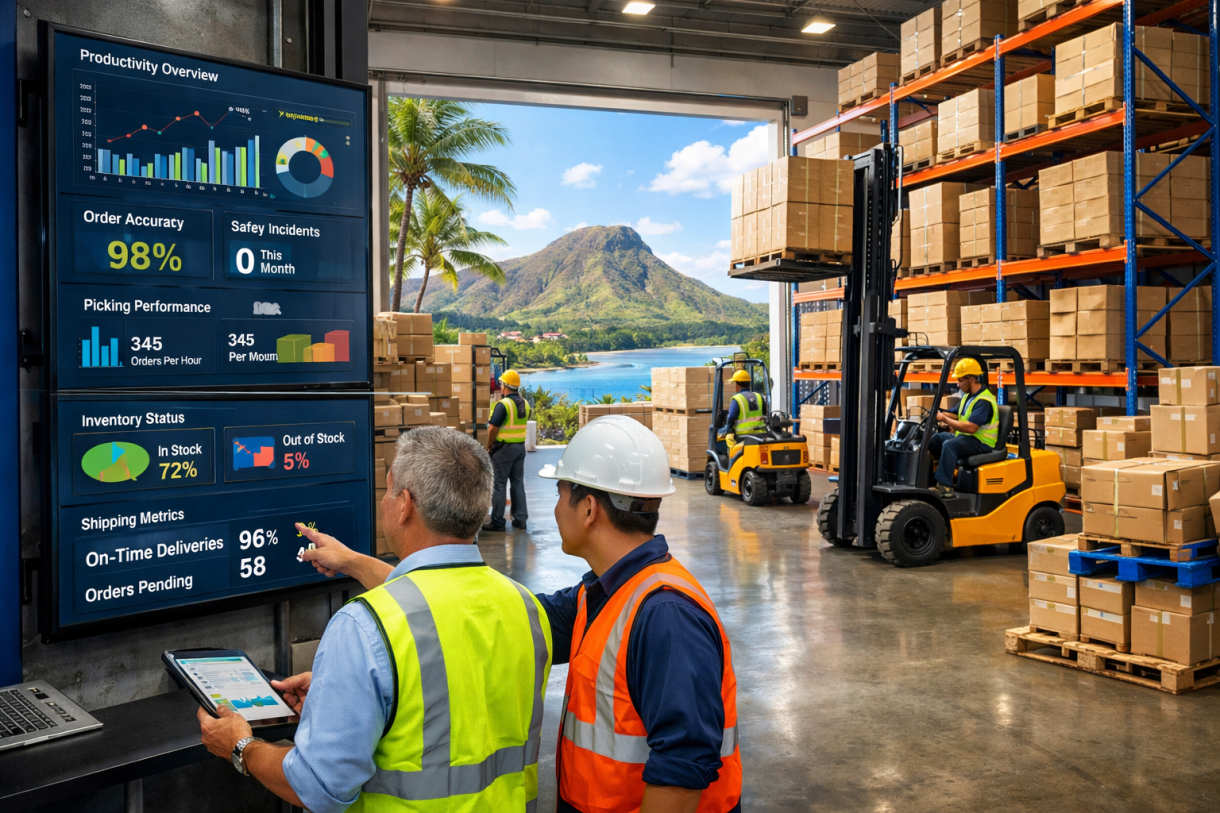
Warehouse Labor Management System: Improve Productivity and Workforce Efficiency
In Hawaii’s logistics environment, warehouses play a critical role in keeping goods moving from ports to businesses and consumers. With limited space, tight delivery schedules, and rising labor costs, efficiency is essential.
This is where a warehouse labor management system becomes a powerful tool. It helps businesses track performance, optimize staffing, and improve overall productivity.
Without proper warehouse labor management, companies may face:
- High labor costs
- Inefficient workflows
- Delayed shipments
- Low productivity
- Poor workforce visibility
A modern warehouse labor management system provides the structure and data needed to align labor resources with operational demand.
What Is a Warehouse Labor Management System
A labor management system warehouse solution is software designed to monitor, analyze, and optimize workforce performance.
It works alongside warehouse operations to improve:
- Employee productivity
- Scheduling efficiency
- Task allocation
- Cost control
Many systems integrate with a WMS LMS setup, combining inventory and labor data for better decision-making.
Why Warehouse Labor Management Matters in Hawaii
Hawaii presents unique logistics challenges that make workforce efficiency critical.
Limited Warehouse Space
Efficient labor use helps maximize available storage.
Businesses often rely on flexible solutions like:
High Operating Costs
Labor is one of the largest expenses in warehouse operations. Optimizing workforce usage reduces unnecessary costs.
Complex Logistics Flow
Goods must move quickly from ports using services like:
Efficient labor management ensures smooth operations.
Demand Fluctuations
Tourism and seasonal trends impact workload, requiring flexible warehouse labor planning.
How a Warehouse Labor Management System Works
Step 1: Track Workforce Performance
A warehouse labor management platform provides real-time data on:
- Picking and packing rates
- Loading times
- Task completion speed
- Idle time
This visibility allows managers to identify inefficiencies quickly.
Step 2: Optimize Scheduling
The system aligns staffing with demand, improving capacity management in supply chain operations.
Benefits include:
- Reduced overtime
- Balanced workloads
- Improved employee utilization
Step 3: Set Performance Benchmarks
Managers establish KPIs such as:
- Units processed per hour
- Order accuracy
- On-time shipments
These benchmarks improve accountability and productivity.
Step 4: Reduce Labor Costs
Data insights help eliminate inefficiencies and improve workflows.
This leads to:
- Lower overtime costs
- Better resource allocation
- Increased operational efficiency
Step 5: Improve Employee Engagement
Transparent performance tracking supports:
- Fair evaluations
- Incentive programs
- Structured feedback
This improves morale and accountability.
Integration with Warehouse Operations
A warehouse labor management system works best when integrated with other logistics services.
Transportation Integration
Efficient labor supports timely deliveries using:
Delivery Services
Labor coordination ensures smooth last-mile operations such as:
Specialized Logistics
Efficient workforce management supports complex deliveries like:
Real World Applications in Hawaii
Retail Distribution Center
A Honolulu warehouse implemented warehouse labor management software to optimize picking and packing. Productivity increased while overtime decreased.
Cold Storage Facility
A refrigerated warehouse improved workflow efficiency by tracking labor performance in real time.
Construction Supplier
A supplier used performance benchmarks to streamline loading operations and reduce delays.
Common Challenges in Implementation
Resistance to Change
Employees may be hesitant about performance tracking.
Training Requirements
Staff must learn how to use new systems effectively.
Data Accuracy
Incorrect data can impact decision-making.
System Integration
The LMS must work with existing systems like WMS platforms, including solutions similar to korber warehouse management system or körber warehouse management solution environments.
Best Practices for Success
Define Clear Goals
Identify whether your focus is cost reduction, productivity, or accuracy.
Provide Training
Ensure employees understand how the system works and its benefits.
Monitor KPIs Regularly
Review performance data and adjust strategies as needed.
Integrate Systems
Combine LMS with WMS for better visibility and efficiency.
Communicate Transparently
Explain how the system benefits both the business and employees.
Benefits of a Warehouse Labor Management System
Implementing a warehouse labor management system provides:
- Increased productivity
- Reduced labor costs
- Improved accuracy
- Better workforce visibility
- Enhanced operational efficiency
Conclusion: Optimize Your Workforce for Long Term Success
In Hawaii’s demanding logistics environment, workforce efficiency is essential for success.
A warehouse labor management system helps businesses:
- Align labor with demand
- Improve productivity
- Reduce operational costs
- Enhance overall performance
Investing in modern labor management systems ensures your warehouse remains competitive, efficient, and ready for future growth.
Frequently Asked Questions
What is a warehouse labor management system?
It is software that tracks employee performance, optimizes scheduling, and improves workforce efficiency.
How does a warehouse labor management system reduce costs?
It identifies inefficiencies, reduces overtime, and improves resource allocation.
Can small warehouses benefit from a labor management system?
Yes. Even small facilities gain improved visibility and productivity.
What is the difference between WMS and LMS?
A WMS manages inventory, while an LMS focuses on workforce performance. Together, they create a complete WMS LMS solution.
Why is labor management important in Hawaii warehouses?
Hawaii’s limited space and higher costs make efficient workforce management essential.