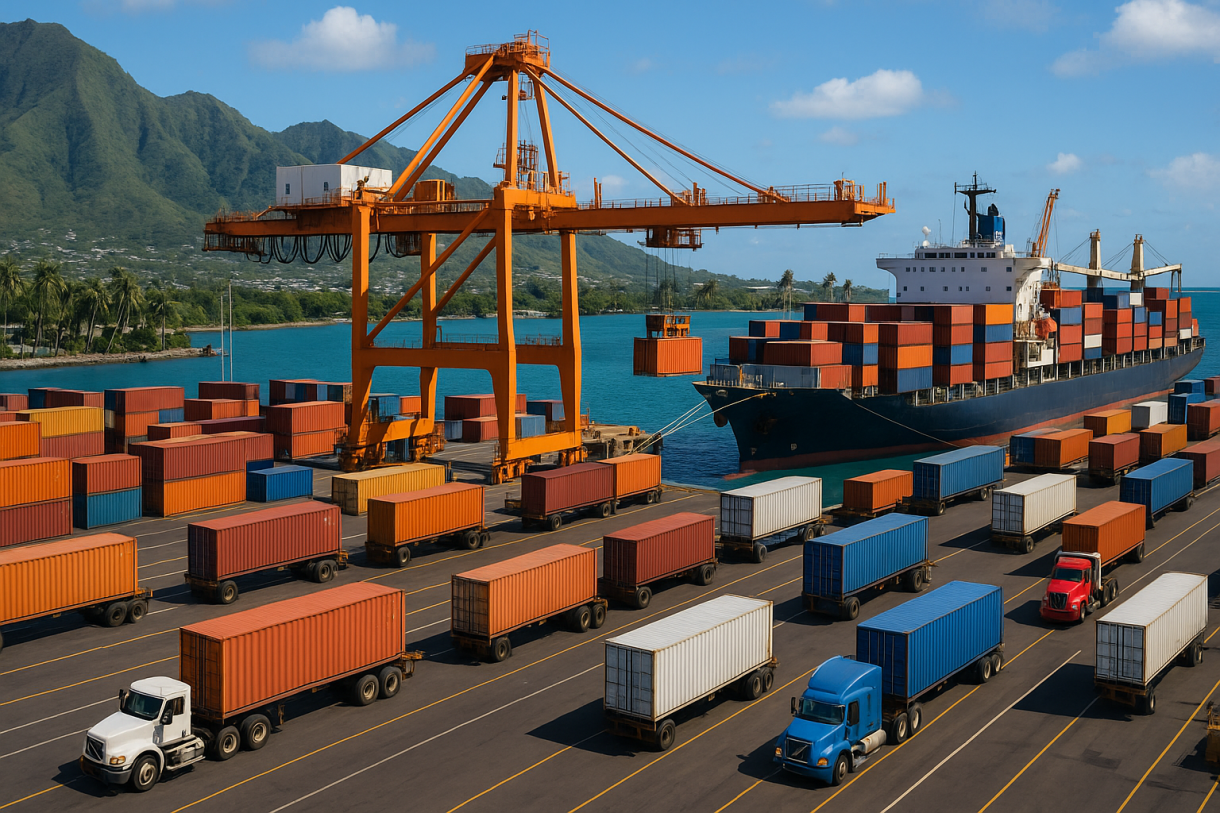
Intermodal Freight, Combining Transport Methods
How Intermodal Freight Transforms Hawaii Shipping
Shipping freight to and across Hawaii can feel complicated, especially when multiple transport methods are involved. Many businesses struggle with unpredictable costs, long transit times, and limited visibility between ocean, land, and interisland freight stages. These challenges often lead to delays, missed deadlines, and unnecessary operational stress. If you’ve ever wondered how to simplify your logistics workflow, you’re not alone.
Intermodal freight offers a better, more efficient way. By combining transportation modes such as ocean vessels, trucking fleets, and inland distribution under one coordinated system, companies gain more control and flexibility. This method improves reliability, reduces handling errors, and helps optimize shipping costs without sacrificing speed. It’s especially beneficial for intermodal freight Hawaii operations, where goods must move seamlessly between islands and across long ocean routes.
In this guide, we explore how intermodal freight works, why it’s essential for Hawaii-based operations, and how businesses can leverage its long-term advantages.
How Intermodal Freight Works for Hawaii Shippers
Intermodal freight is a shipping method that uses two or more transportation modes under a unified system. Instead of unloading and reloading goods repeatedly at each stage, a single standardized container remains sealed from origin to destination. This reduces damage, cuts labor time, and improves operational flow.
For Hawaii, intermodal freight is especially valuable because cargo must transition between ocean carriers, trucking services, and interisland transport. Using standardized containers allows goods to move efficiently between these stages with minimal handling.
Key benefits include:
• Reduced delays and better communication between carriers
• Increased visibility and control throughout the logistics chain
• Lower product damage risk and handling costs
• Faster delivery through coordinated planning
A common misconception is that intermodal freight only benefits large corporations. In reality, small and mid-sized companies shipping recurring loads, big-box retail inventory, or specialized equipment are some of the biggest beneficiaries.
For more insight into freight categories, many shippers also review guides like the FTL vs LTL shipping overview, found in the Understanding FTL vs LTL Shipping blog.
The Core Components of Intermodal Freight Logistics in Hawaii
Understanding Container Flow Across Transport Stages
Container flow is central to intermodal operations, especially in Hawaii where goods move from mainland ports to local island destinations. Cargo is loaded into a standardized container, sealed, and kept intact until delivery. This often includes trucking shipments to departure ports, loading onto ocean vessels, and routing through interisland carriers. Efficient container movement reduces handling errors and ensures secure transitions at each stage.
To improve container management, businesses often use services like daily container drayage, available through the container drayage service.
Coordinating Ocean Freight With Inland Transportation
Ocean freight coordination is essential in Hawaii’s intermodal system. Once cargo arrives at port, trucking services move containers to distribution hubs for staging or final delivery. Synchronizing inland trucking schedules with vessel arrivals prevents congestion and keeps freight flowing smoothly.
Many companies rely on specialized trucks such as flatbed trucks or drop deck trailers when moving heavy or oversized loads. These services can be accessed through the flatbed and drop deck trailer options and flatbed truck service.
Managing Interisland Freight Within Local Networks
Interisland freight presents unique challenges due to Hawaii’s geographic separation. Cargo that arrives in Honolulu often requires additional routing to Maui, Kauai, or the Big Island. Intermodal systems streamline this movement by keeping goods in a sealed container and coordinating with interisland carriers. This preserves product quality and ensures predictable delivery timelines.
Increasing Efficiency Through Integrated Carrier Partnerships
Integrated carrier partnerships improve efficiency by allowing trucking companies, ocean carriers, and interisland providers to share communication systems and tracking platforms. These partnerships reduce downtime and improve cargo visibility across all transit stages. For Hawaii’s multi-touchpoint logistics network, this level of coordination is essential.
Businesses often enhance efficiency further using complementary services such as retail deliveries, military base deliveries, and short-term storage, available via the retail delivery service and short-term storage.
Reducing Risk Through Unified Freight Documentation
Unified freight documentation, such as single bills of lading and universal tracking labels, greatly reduces confusion in multi-carrier shipping environments. By managing paperwork once instead of multiple times, businesses decrease administrative overhead and avoid documentation-related delays.
Hawaii shippers often use inside pick delivery, lift-gate delivery, or dry and refrigerated box trucks as part of this documentation-coordinated process. These services can be found through:
• Inside pick delivery service
• Lift-gate delivery
• Dry and refrigerated box trucks
Unified documentation minimizes risk and improves compliance for every shipping stage.
Practical Applications of Intermodal Freight for Hawaii Businesses
Intermodal freight becomes even more valuable when applied to real-world use cases.
Retailers shipping full container loads from mainland distribution centers to Hawaii benefit from having goods remain in a sealed container until store delivery. This reduces multiple handoffs and decreases total transit time.
Construction companies rely on intermodal freight for transporting heavy equipment or bulk materials. Coordinated schedules ensure fewer job site delays and more reliable delivery windows.
Agricultural distributors shipping produce or packaged goods between islands use intermodal freight to maintain product quality and strengthen delivery consistency.
Businesses needing temporary inventory holding often rely on long-term storage or break-bulk distribution, accessible through the long-term storage facility and break-bulk distribution service.
Overall, intermodal freight provides stability, predictability, and long-term cost efficiency for Hawaii businesses.
Best Practices and Common Mistakes When Using Intermodal Freight
• Choose carriers with Hawaii intermodal experience
Expert carriers understand vessel schedules, island logistics, and port operations.
• Standardize container loads for smooth transitions
Labeling, palletized loads, and organized packing reduce inspection delays.
• Use integrated digital tracking tools
Real-time tracking improves performance across trucking, ocean, and interisland stages.
• Plan shipping schedules around vessel departures
Hawaii routes operate on limited schedules, so planning reduces storage fees and delays.
• Avoid last-minute freight changes
Container adjustments cause complications across all carriers. Finalize loads early for best results.
Why Intermodal Freight Matters for Hawaii Shipping
Intermodal freight gives Hawaii businesses a more efficient, predictable way to ship goods across complex routes. By coordinating trucking, ocean freight, and interisland services, companies reduce delays, lower costs, and improve visibility across their entire supply chain.
As you apply these strategies, you’ll build a more reliable logistics workflow that supports your long-term growth. For additional industry perspectives, publications like Forbes often highlight emerging logistics trends and supply chain innovations.
If you’re ready to optimize your shipping strategy, explore full-service intermodal solutions through trusted Hawaii freight providers offering drayage, trucking, storage, and delivery services tailored to your needs.
Frequently Asked Questions About Intermodal Freight in Hawaii
1. Is intermodal freight cheaper than traditional shipping methods?
Often, yes. Intermodal freight reduces handling, improves container flow, and combines multiple carriers efficiently, leading to long-term cost savings—especially for recurring or high-volume shipments.
2. How long does intermodal freight shipping to Hawaii take?
Transit time varies, but most shipments from the U.S. West Coast arrive within 5–7 days by ocean freight. Intermodal coordination shortens pre- and post-ocean stages for more dependable timelines.
3. Can small businesses use intermodal freight services in Hawaii?
Absolutely. Many small retailers, contractors, and local distributors benefit from reduced handling and smoother logistics workflows.
4. What types of goods are suitable for intermodal freight?
Most packaged goods, machinery, equipment, retail inventory, and palletized materials move efficiently through intermodal systems.
5. Do I need special permits for intermodal shipping in Hawaii?
Most businesses don’t need additional permits beyond standard shipping documentation. Experienced intermodal carriers typically handle customs paperwork, bills of lading, and port requirements to prevent delays.