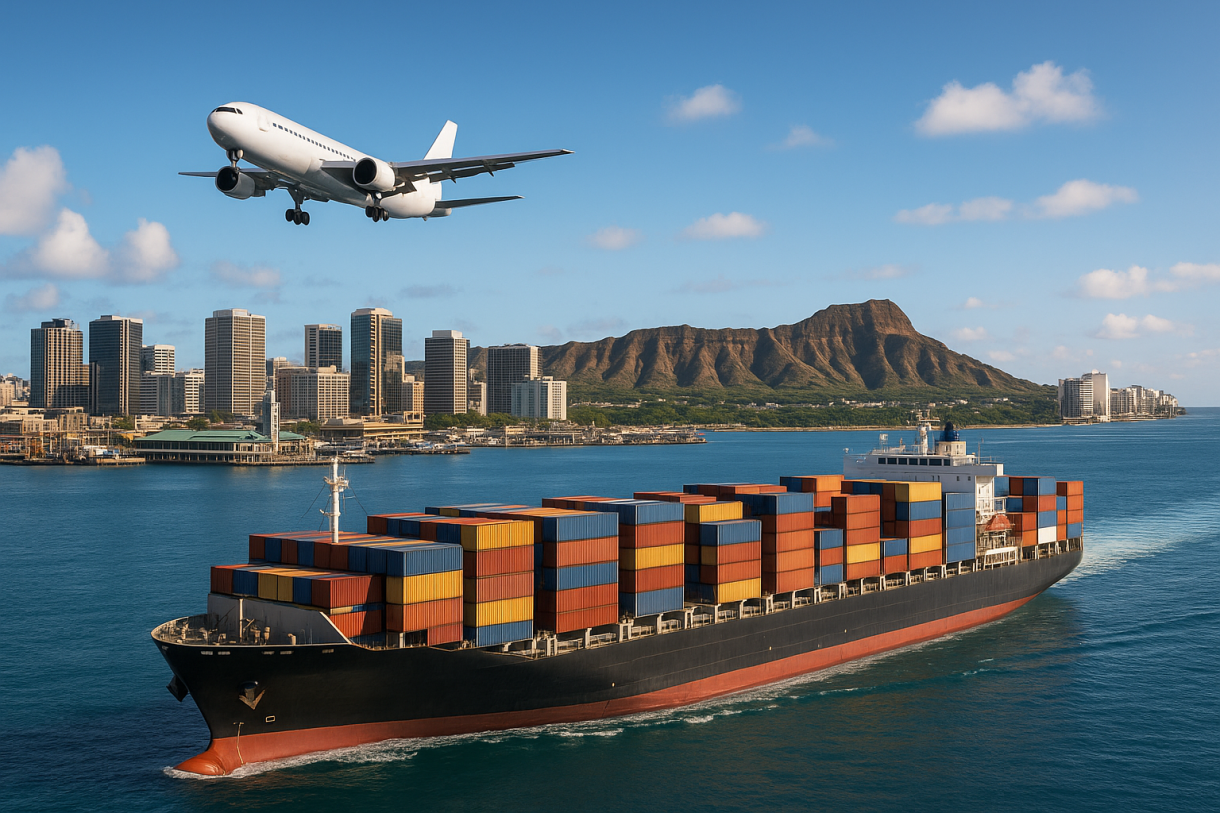
Key Players in the Logistics Industry Explained
The Vital Role of the Logistics Industry in Hawaii’s Economy
Have you ever wondered what keeps Hawaii’s economy connected to the rest of the world, despite its remote island location? The answer lies in the logistics industry, a vast network of professionals, companies, and systems ensuring products move smoothly from suppliers to consumers. From managing shipments across the Pacific Ocean to coordinating air freight and warehousing, the industrial logistics sector plays a crucial role in Hawaii’s daily life and business growth.
In this article, we’ll break down the key players in the logistics industry, explain how they collaborate to make the supply chain function, and spotlight what makes Hawaii’s logistics landscape unique. By the end, you’ll understand who does what, why it matters, and how these organizations keep the islands supplied and thriving.
Let’s dive into the fascinating world of logistics and meet the players who make it all possible.
Understanding the Structure of the Logistics Industry
The logistics industry is more than just trucks, ships, and planes: it’s a coordinated ecosystem that manages the movement of goods through several interconnected stages. These stages include planning, transportation, warehousing, and distribution. Understanding this structure helps businesses appreciate the complexity and precision involved in every delivery.
Why it matters:
- Ensures timely delivery of goods and materials.
- Reduces operational costs and inefficiencies.
- Improves inventory accuracy and customer satisfaction.
In Hawaii, logistics operations are even more specialized due to geographic isolation. Companies must carefully manage shipping routes, port schedules, and air freight capacity to maintain reliable connections with global suppliers. A common misconception is that logistics simply means “shipping,” but in reality, it includes forecasting demand, optimizing routes, and managing resources efficiently. To learn more about the fundamentals, check resources like Investopedia and Transport Geography.
Main Players in the Logistics Industry and Their Roles
To truly understand how the logistics industry functions, we need to look closely at its key participants. Each plays a distinct role, yet they all depend on one another to ensure the supply chain runs smoothly.
Freight Forwarders Coordinate Complex Shipments
Freight forwarders act as the architects of transportation and logistics industry operations. They plan and manage the movement of goods from origin to destination, often across multiple modes: sea, air, and land. Their expertise lies in navigating customs regulations, documentation, and route optimization.
In Hawaii, freight forwarding services are vital for importing building materials, electronics, and perishable goods.
Pro Tip: Choose a forwarder experienced in inter-island logistics to reduce handling time and shipping costs.
Carriers Transport Goods Between Locations
Carriers are the physical movers—shipping lines, airlines, and trucking companies that move freight from point A to point B. They form the backbone of the industrial logistics solutions network.
In Hawaii, ocean freight carriers play a dominant role, as nearly all goods arrive via sea. Air freight logistics solutions are used for urgent or high-value shipments. Preferred Transport offers flatbed trucks, flatbed drop deck trailers, and dry refrigerated box trucks to handle diverse freight needs.
Warehousing Providers Store and Manage Inventory
Once goods reach their destination, warehousing providers step in. They store, organize, and prepare goods for distribution. Many offer temperature-controlled facilities for food and pharmaceuticals, critical in Hawaii’s humid climate.
Pro Tip: Partner with a warehouse provider offering inventory management software to gain real-time stock visibility. You can also explore short-term storage or long-term storage solutions depending on your business needs.
Third-Party Logistics (3PL) Providers Streamline Supply Chains
3PL providers integrate multiple logistics functions—transportation, warehousing, order fulfillment—into a single solution. For many Hawaii businesses, outsourcing to a 3PL company simplifies operations and cuts costs.
They handle everything from customs clearance to lift gate delivery, allowing companies to focus on core operations. Learn more about successful 3PL operations from Logistics Management and Supply Chain Digital.
Customs Brokers Simplify International Trade
Customs brokers ensure that imported and exported goods comply with all regulations. They manage documentation, tariffs, and clearance processes. For island economies like Hawaii, having an experienced customs broker prevents costly delays at ports and airports.
Technology Providers Drive Efficiency and Transparency
Modern logistics relies heavily on software for tracking shipments, forecasting demand, and optimizing delivery routes. These tech companies empower logistics service providers with real-time visibility and data analytics.
Example: Preferred Transport & Distribution in Hawaii uses tracking tools that let clients monitor freight in real time. This reflects the digital transformation in logistics industry operations, where transparency and speed define competitiveness. Check Forbes for insights into tech-driven logistics trends.
Regulatory and Port Authorities Ensure Compliance and Safety
Government and port authorities play a crucial role in maintaining standards, ensuring safety, and regulating trade activities. The Hawaii Department of Transportation and Port of Honolulu are central figures in this ecosystem.
How the Logistics Industry Operates in Hawaii
Hawaii’s logistics environment poses unique challenges and opportunities. Being thousands of miles from the mainland means supply chain efficiency is essential for both businesses and consumers. These are the key challenges in logistics industry operations across the islands.
Dependence on Maritime Logistics
Over 80% of Hawaii’s goods arrive by sea. Ocean freight shipping ensures the steady flow of everything from groceries to construction materials. Major carriers coordinate with port operators to manage container throughput and minimize congestion. Services like daily container drayage help ensure efficient port movement.
Air Freight for Time-Sensitive Goods
Air freight logistics solutions play a critical role in maintaining the freshness of perishable goods like produce and seafood. Airlines also transport pharmaceuticals, electronics, and express mail across the islands.
Inter-Island Distribution Network
Once cargo reaches Oahu, smaller logistics companies distribute goods to neighboring islands. Inter-island barge services, trucking fleets, and warehousing providers—such as those offering forklift delivery or inside pick delivery—keep local markets stocked.
Strong Collaboration Among Players
What sets Hawaii’s logistics network apart is its tight-knit collaboration. Freight forwarders, carriers, and warehouse operators maintain open communication to manage schedules, adjust to weather delays, and share resources efficiently.
Real-World Applications and Success Stories
The impact of effective logistics is visible across industries in Hawaii.
- Example 1: A retail chain uses a 3PL provider to consolidate shipments, cutting delivery times by 30%.
- Example 2: A seafood exporter relies on air freight logistics to maintain product freshness from Honolulu to Los Angeles within 24 hours.
- Example 3: A construction supplier leverages ocean freight coordination to ensure steady inventory flow despite port congestion.
Each of these examples highlights how coordinated logistics efforts sustain Hawaii’s economic resilience. For more on logistics and global trade, visit Preferred Hawaii’s blog.
Best Practices for Businesses Using Logistics Services
To get the most from Hawaii’s logistics network, businesses should adopt a proactive approach.
- Plan for Seasonal Demand: Adjust freight bookings early to avoid capacity shortages during peak seasons.
- Leverage Technology: Use real-time tracking and analytics for visibility into your supply chain.
- Choose Experienced Partners: Work with local logistics companies familiar with Hawaii’s inter-island routes and regulations.
- Optimize for Sustainability: Consolidate shipments and use eco-friendly packaging to reduce environmental impact.
- Maintain Clear Communication: Align closely with logistics partners to manage expectations and timelines.
These best practices can help companies streamline operations, reduce costs, and build reliable supply chains tailored to Hawaii’s needs.
The Backbone of Hawaii’s Economy
The logistics industry is the unsung hero keeping Hawaii connected to the world. Each player—from freight forwarders to 3PL providers—contributes a crucial piece of the puzzle that ensures goods flow smoothly across islands and oceans.
By understanding who these key players are and how they work together, businesses can make smarter decisions and build stronger partnerships. Whether you’re importing products or managing distribution, success in Hawaii starts with reliable logistics.
If your business is ready to improve its supply chain efficiency, partnering with experienced logistics experts like Preferred Transport & Distribution can make all the difference.
Frequently Asked Questions
1. What are the main sectors in Hawaii’s logistics industry?
The main sectors include ocean freight shipping, air freight logistics, warehousing, and inter-island transportation, all coordinated by freight forwarders and 3PL providers.
2. Why is ocean freight so important for Hawaii?
Over 80% of goods arrive via sea, making ocean freight the backbone of Hawaii’s logistics system. It handles large cargo volumes at lower costs than air transport.
3. How do 3PL providers help businesses in Hawaii?
They manage multiple logistics functions—transportation, warehousing, and order fulfillment—allowing businesses to focus on core activities while reducing operational costs.
4. What challenges does Hawaii’s logistics industry face?
Distance from the mainland, limited port space, and unpredictable weather can affect delivery times, requiring precise coordination among logistics providers.
5. How can technology improve logistics operations?
Real-time tracking, digital inventory systems, and data analytics enhance visibility, efficiency, and decision-making across the supply chain.