Types of Freight Shipping Explained
Shipping freight to, from, or within Hawaii can be challenging when you’re trying to balance cost, speed, and cargo needs. Many shippers run into delays and extra expenses simply because they selected the wrong method for their shipment. Understanding the main freight shipping types helps eliminate confusion and ensures smoother, more predictable shipping, whether you’re handling oversized freight shipping, retail goods, perishables, or industrial equipment.
This guide breaks down the primary freight shipping types, how they apply to Hawaii freight shipping, and when each method makes the most sense. You’ll also see how freight logistics choices affect your overall logistics and supply chain management strategy.
Understanding the Main Freight Shipping Types
Freight shipping types are categorized by shipment size, transit expectations, and transportation mode. The options most commonly used in Hawaii include ocean freight, air freight, LTL, FTL, and interisland freight. Because Hawaii shipments involve port cut-offs, transloading, and island-specific distribution, choosing the right method prevents disruptions and improves reliability.
Key benefits of understanding freight shipping types include:
: Selecting the right method for your cargo
: Reducing delays caused by poor shipping choices
: Improving forecasting and inventory flow
: Increasing communication accuracy with freight carriers
Industry insights from Supply Chain Digital highlight how understanding mode selection leads to more efficient supply chain and logistics operations.
A Detailed Breakdown of Freight Shipping Methods
Ocean Freight Shipping
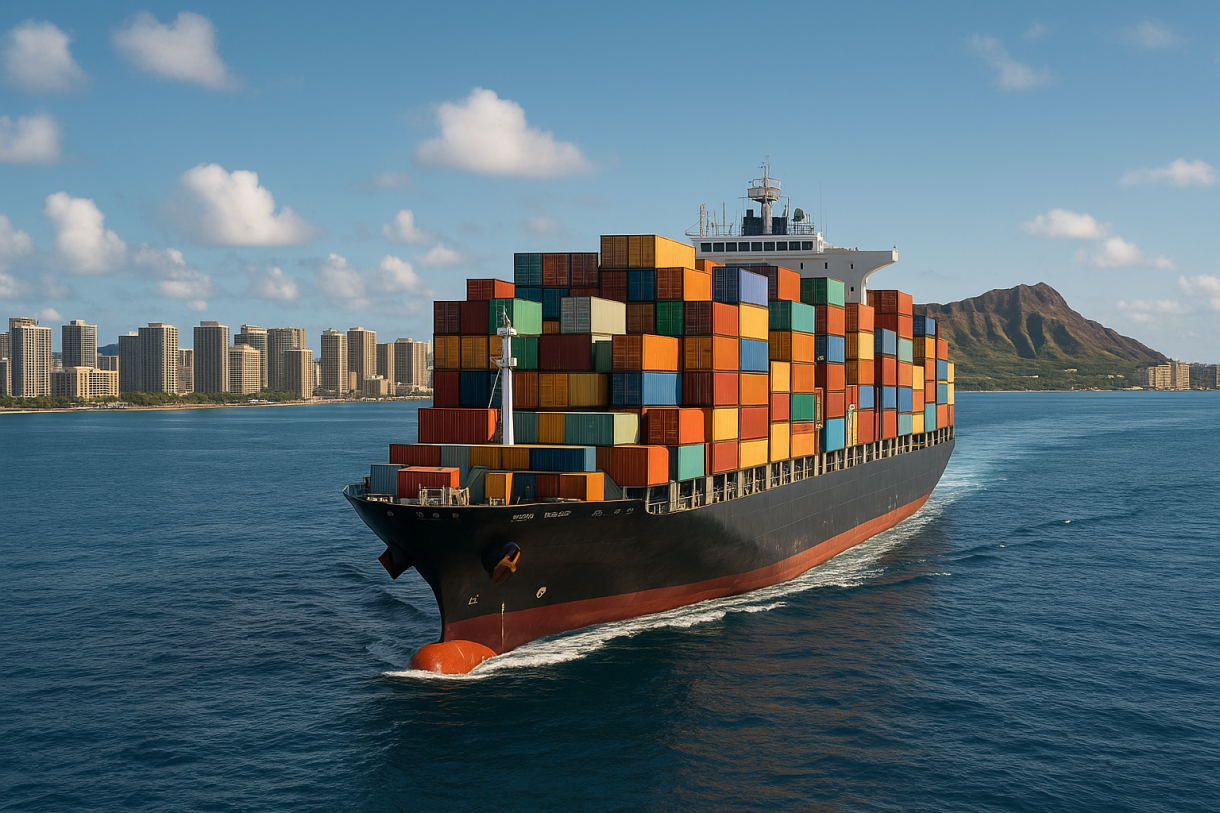
Ocean freight is the most common method for moving goods to and from Hawaii. Containers — typically 20- or 40-foot units — are loaded on mainland ports and transported to Honolulu or neighbor-island terminals. Ocean freight is cost-efficient for large volumes like construction materials, retail inventory, machinery, and consumer goods.
Many shippers pair ocean freight with local services like daily container drayage and flatbed trucks for on-island transport.
Pro Tip: For peak seasons, early booking prevents rollover delays that can push deliveries back by a full week.
Air Freight Shipping
Air freight is the fastest option for Hawaii shipments. It reduces transit windows from weeks to days and is commonly used for high-value products, emergency restocks, medical supplies, and perishables. While air freight costs more, it offers unmatched speed and a dependable schedule.
This method is often paired with temperature-controlled services like dry refrigerated box trucks for final delivery.
Pro Tip: Use air freight strategically for replenishing fast-moving SKUs.
LTL (Less-Than-Truckload) Freight
LTL freight handles shipments that don’t fill a full truck or container. It follows a terminal-based network where multiple shippers share space. LTL helps control costs, but cargo may be handled several times, making packaging important.
It’s often used by retail, manufacturing, and commercial businesses shipping small-to-medium pallet loads to Honolulu warehousing logistics centers.
Pro Tip: Fragile or sensitive goods may benefit from combining pallets or upgrading to FTL.
FTL (Full-Truckload) Freight
FTL freight gives you dedicated container space, faster transit, and less cargo handling. It’s ideal for oversized cargo transportation, high-value shipments, and large retail orders. FTL also reduces damage risk and helps avoid bottlenecks associated with LTL cross-docking.
Companies frequently pair FTL with specialized trailers such as flatbed drop deck trailers, especially when comparing drop deck vs step deck options for height clearance.
Pro Tip: Use FTL when timing, security, or cargo volume requires consistency.
Interisland Freight Shipping
Interisland freight connects Oahu, Maui, Kauai, and Hawaii Island through barge, air, or vessel transport. It supports industries such as retail, food service, and construction that require predictable inventory flow across islands.
Break-bulk services like break bulk distribution help companies distribute goods from a central hub to multiple destinations.
Pro Tip: Standardized pallet sizes improve turnaround at interisland terminals.
Specialized Equipment and Services for Hawaii Shipments
Flatbeds and Heavy Equipment Transport
Oversized freight shipping often requires flatbed truck equipment or trailers designed for tall or wide cargo. These services support construction, manufacturing, and industrial operations.
Refrigerated & Temperature-Controlled Shipping
For perishables, pharmaceuticals, and specialty items, refrigerated delivery Hawaii services ensure product integrity throughout long ocean or air transit. On-island movement uses refrigerated trucks after arrival.
Lift-Gate, Inside Delivery & Residential Service
Final-mile challenges are common in Hawaii, especially for businesses without docks or for military base deliveries. Solutions include:
These reduce delays and keep deliveries safe and compliant.
Practical Applications of Freight Shipping in Hawaii
Use Case 1: Construction Materials
Construction companies often use FTL and ocean freight due to predictable sailing schedules and the need for heavy or oversized shipments. They complement these with flatbed transport on arrival.
Use Case 2: Retail & Consumer Goods
Retailers mix LTL, ocean freight, and occasional air freight to maintain inventory flow. This reduces out-of-stock events and cuts expedited shipping fees. Insights from Forbes emphasize how diversified freight strategies help stabilize inventory.
Use Case 3: Perishables & Food Service
Food suppliers depend on air freight and reefers to maintain freshness. Interisland hops ensure products reach all islands within hours instead of days.
Best Practices for Choosing the Right Freight Shipping Type
Choose packaging that matches the freight type:
LTL needs reinforced pallets; ocean freight needs moisture-resistant packaging.
Balance cost vs speed:
Air freight is a premium option, but ocean freight remains the most cost-effective for high-volume hawaii freight shipping.
Work with a knowledgeable freight forwarder Honolulu partner:
Expert guidance helps schedule shipments, manage port timing, and navigate customs.
Plan ahead for peak seasons:
Holiday demand and weather can impact vessel availability.
Use appropriate on-island logistics support:
Options like forklift delivery, retail deliveries, and short term storage help streamline operations.
Final Takeaways
Understanding freight shipping types enables smarter, more cost-effective decisions for Hawaii logistics. Whether you rely on ocean freight for large shipments, air freight for speed, LTL or FTL for flexibility, or interisland freight for local distribution, the right method improves cost control and reliability. Pairing your shipping choices with freight logistics expertise and proper equipment ensures smoother supply chain and logistics performance.
To explore how digital technology is reshaping freight shipping, visit the resource on the evolution of freight logistics in the digital era.
Frequently Asked Questions
What is the most cost-effective freight shipping type for Hawaii?
Ocean freight is typically the most affordable option for large-volume shipments.
How do I choose between LTL and FTL?
Choose LTL for smaller pallet loads and FTL for time-sensitive, large, or fragile cargo.
Is air freight worth the extra cost?
Yes, when timing or cargo sensitivity requires rapid delivery.
What is interisland freight used for?
It connects Oahu, Maui, Kauai, and Hawaii Island for steady distribution of goods.
Can I ship refrigerated cargo to Hawaii?
Yes, both reefer containers and refrigerated trucks support temperature-sensitive items.