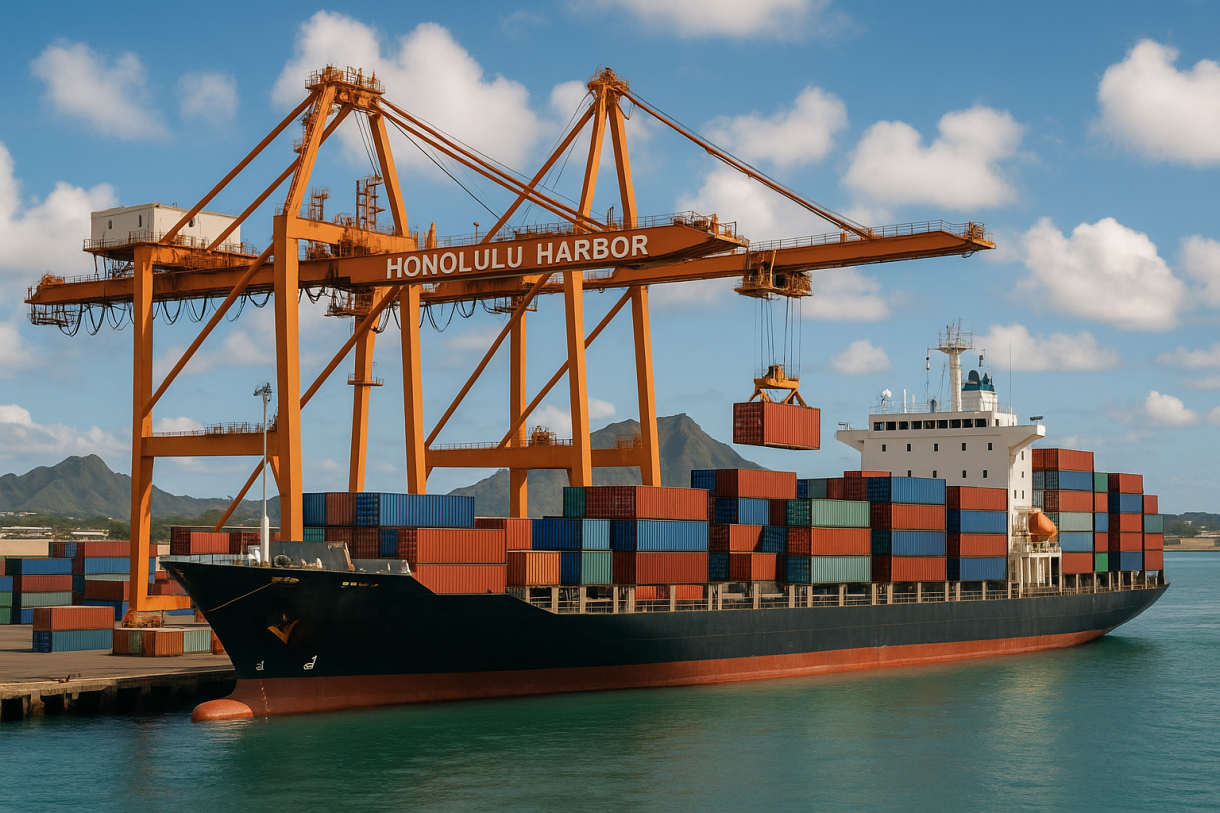
Difference Between Logistics and Supply Chain Management
Ever wondered why people use “logistics vs supply chain” interchangeably? While they sound similar, these two functions play distinct roles in how products move from creation to delivery. Understanding the difference between logistics and supply chain management is essential, especially for Hawaii-based companies that rely on timely imports, exports, and inter-island transportation.
Businesses across Hawaii, from Honolulu’s retail hubs to Maui’s construction industry, depend heavily on smooth logistics and well-structured supply chains to keep operations running. Yet, confusion between the two can cause costly delays, inefficiencies, and missed opportunities.
In this guide, we’ll break down the difference between logistics vs supply chain management, explore real-world examples from Hawaii, and show how understanding both can help your business operate smarter, faster, and more efficiently.
Understanding the Core Concepts of Logistics and Supply Chain Management
To truly grasp supply chain management vs logistics, it’s important to define each clearly and see how they complement one another in business operations.
What Is Logistics?
Logistics focuses on the movement, storage, and delivery of goods. It ensures products are transported efficiently from one location to another. In Hawaii, this might involve coordinating shipments across multiple islands or managing imports through Honolulu Harbor.
Key functions of logistics include:
- Transportation and fleet management
- Warehousing and inventory control
- Order fulfillment and distribution
- Packaging and materials handling
Benefits of effective logistics:
- Reduces transportation costs
- Ensures timely deliveries
- Enhances customer satisfaction
For example, Daily Container Drayage and Flatbed Trucks services ensure smooth cargo movement between ports and local destinations.
What Is Supply Chain Management?
Supply chain management (SCM) is broader. It covers the entire process from sourcing raw materials to delivering the final product to consumers. SCM connects suppliers, manufacturers, and distributors through strategic coordination.
Core areas of SCM include:
- Procurement and supplier relations
- Production and quality management
- Logistics and distribution oversight
- Data-driven demand forecasting
Benefits of strong supply chain management:
- Increases operational efficiency
- Improves profit margins
- Enhances adaptability to market changes
In other words, logistics is part of the larger supply chain vs logistics ecosystem that ensures products flow smoothly from origin to consumer.
Why the Difference Matters
Many Hawaii businesses struggle to distinguish between logistics vs supply chain system, but understanding both is vital to avoid confusion and optimize performance.
- Logistics is about execution: how things move.
- Supply chain management is about strategy: how everything connects.
For instance, Inside Pick Delivery ensures on-site handling of goods, while supply chain management oversees how those deliveries fit into the company’s overall operational plan.
How Logistics and Supply Chain Management Work Together
To fully understand logistics vs supply chain management, we must explore how they operate as interconnected systems that drive business efficiency and customer satisfaction.
How Logistics Focuses on Product Movement
Logistics emphasizes physical operations: getting products from Point A to Point B efficiently. It involves route planning, transportation mode selection, and inventory coordination. In Hawaii, this could mean optimizing ocean freight schedules or air cargo routes to outer islands. Services like Lift Gate Delivery and Forklift Delivery make this process seamless.
How Supply Chain Management Focuses on Process Integration
SCM is about strategic alignment across multiple business functions. It connects procurement, production, and logistics into one unified system. For example, a Honolulu retailer sourcing products from Asia needs a supply chain plan that balances supplier reliability, shipping timelines, and local demand cycles.
How Both Systems Impact Business Efficiency
When logistics and supply chain management work together, companies gain a competitive advantage:
- Streamlined logistics leads to faster delivery.
- Integrated SCM drives smarter purchasing and forecasting.
This synergy reduces waste, shipping time, and errors across operations.
How Technology Bridges Logistics and Supply Chain Gaps
Technology is revolutionizing logistics vs supply chain management by providing tools that improve coordination, accuracy, and visibility.
Modern systems like AI-driven forecasting, GPS tracking, and ERP platforms enable businesses to track shipments and inventory in real time. For Hawaii’s import-dependent economy, these tools ensure smooth operations despite geographical challenges.
Insights from McKinsey and HubSpot show that companies using digital SCM solutions achieve 15–25% higher operational efficiency.
How Collaboration Strengthens Island Operations
Effective communication between suppliers, logistics partners, and distributors is essential—especially across Hawaii’s islands. Collaboration helps products reach customers on time despite shipping delays or weather-related issues.
Solutions like Retail Deliveries and Military Base and Residential Delivery services support smooth inter-island coordination.
Real-World Applications of Logistics and Supply Chain in Hawaii
To better understand logistics vs supply chain examples, let’s look at how Hawaii businesses apply these systems every day.
Example 1: Retail Supply Chains Across Islands
A retail chain sourcing apparel from Los Angeles relies on robust supply chain planning for imports, customs, and warehousing in Honolulu. Logistics teams handle inter-island distribution to stores in Maui, Kauai, and the Big Island.
Outcome: Improved stock consistency and 25% faster restocking times.
Example 2: Construction and Heavy Equipment Delivery
Construction firms depend on logistics companies for efficient port-to-site transport of large materials. By aligning logistics with supplier production schedules, idle time and costs are reduced.
Outcome: 15% reduction in project delays.
Example 3: Local Food Distribution Networks
Farm-to-table restaurants use local logistics providers for daily produce deliveries. Their supply chain focuses on supplier partnerships and demand forecasting.
Outcome: Fresher products and improved sustainability.
For more island-specific insights, visit Logistics and Supply Chain Hawaii: Key Insights & Solutions.
Best Practices for Managing Logistics and Supply Chain Operations
Creating a resilient logistics vs supply chain function takes planning and consistency. Here are proven strategies that Hawaii businesses can implement today:
- Optimize Inventory Management: Use real-time tracking and Short-Term Storage or Long-Term Storage options to prevent overstocking.
- Build Reliable Supplier Relationships: Strengthen collaboration for faster response times and accuracy.
- Leverage Technology for Transparency: Implement analytics and ERP systems for seamless coordination.
- Plan for Disruptions: Hawaii’s logistics depend on weather-sensitive routes—use diversified transport like Flatbed Drop Deck Trailers to stay flexible.
- Prioritize Sustainability: Optimize delivery routes and adopt green practices to meet eco-friendly goals.
By following these strategies, companies can create durable systems that support long-term success across Hawaii’s islands.
Why Understanding the Difference Matters
Recognizing the difference between logistics vs supply chain management gives Hawaii businesses a major competitive edge. Logistics ensures the physical movement of goods, while supply chain management designs the strategy behind those movements.
When both systems align, businesses achieve cost efficiency, reliability, and exceptional customer satisfaction. Whether managing local deliveries or international imports, mastering logistics vs supply chain dynamics ensures smooth, sustainable growth from Oahu to the Big Island.
For expert logistics support, visit Preferred Hawaii and discover tailored delivery solutions.
FAQs: Logistics vs Supply Chain Management
1. What Is the Main Difference Between Logistics and Supply Chain?
Logistics focuses on transportation, warehousing, and delivery of goods, while supply chain management covers the entire process from raw material sourcing to final customer delivery.
2. How Does Supply Chain Management Help Businesses in Hawaii?
It improves efficiency, reduces costs, and ensures timely imports and inter-island distribution through coordinated operations.
3. Can Logistics Exist Without Supply Chain Management?
No. Logistics is part of the supply chain—it handles execution. Without SCM, logistics lacks long-term planning and coordination.
4. What Industries in Hawaii Rely Most on Logistics?
Retail, tourism, construction, and food service industries depend on strong logistics networks and Dry & Refrigerated Box Trucks for consistent deliveries.
5. How Can Technology Improve Logistics and Supply Chain Operations?
By enabling real-time tracking, predictive analytics, and improved communication between departments. Learn more from Supply Chain Digital and Logistics Management.